
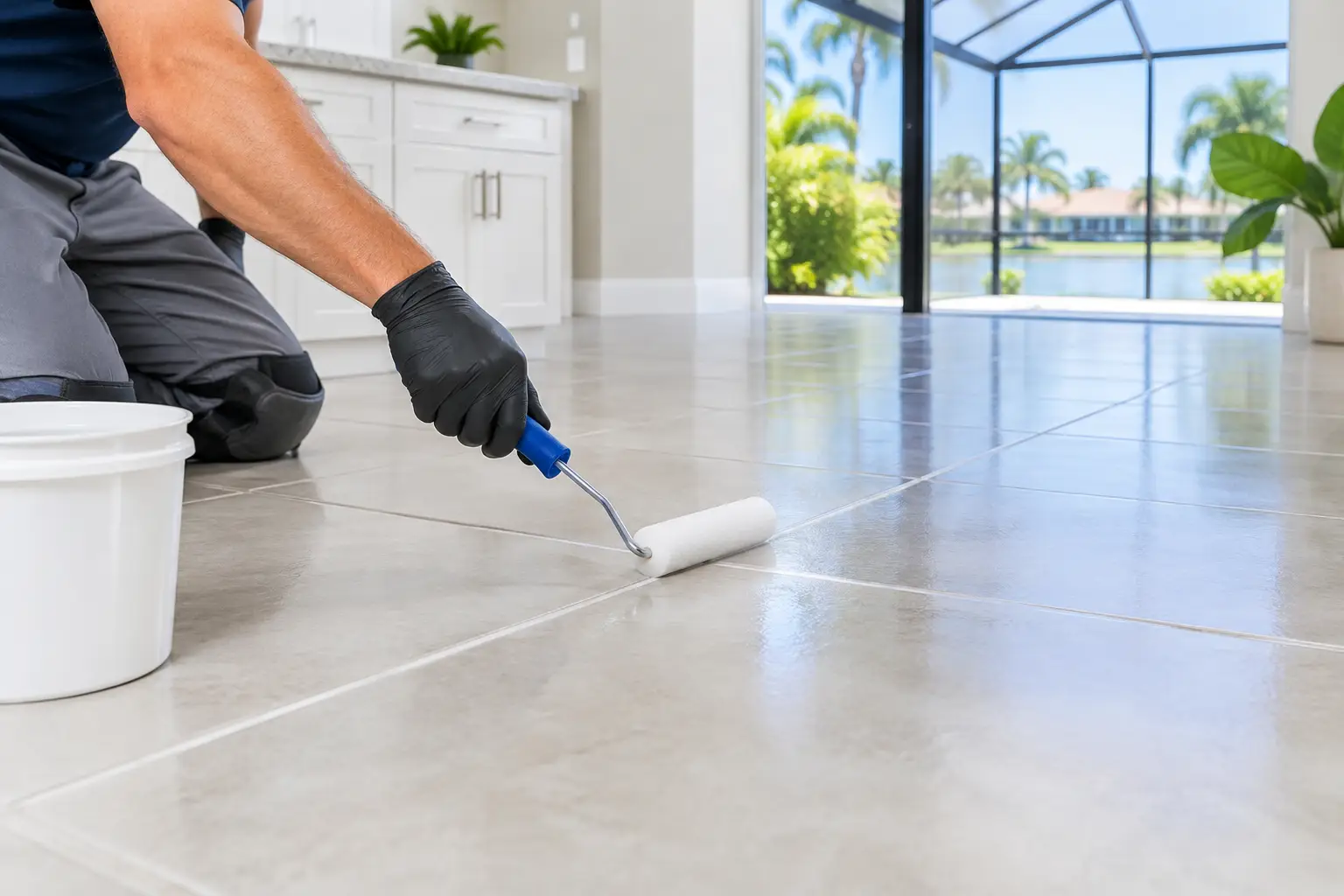
Grout Sealing Orange County Homeowners Can Trust
A clean tile floor can still look worn out when the grout lines are dark, blotchy, or permanently stained. That is why grout sealing Orange County homeowners schedule is often less about adding a product and more about protecting the cleaning results they can finally see. In Central Florida, humidity, wet bathrooms, sandy traffic, and hard-water residue can make unsealed grout look dirty again far sooner than expected.
Grout sealer is not a magic fix for every floor or shower. Applied at the right time and to the right type of grout, though, it makes routine cleaning easier and helps slow down the staining that leaves tile looking dull. The key is starting with grout that is truly clean and dry.
What Grout Sealing Actually Does
Most cement-based grout is porous. It has tiny openings that absorb moisture, cooking spills, soap film, body oils, soil tracked in from outside, and bathroom residue. Mopping removes surface dirt, but it cannot always pull contamination back out once it has settled into those pores.
A quality penetrating sealer fills or lines those openings while allowing the grout to breathe. Water and spills stay closer to the surface instead of soaking in immediately. That gives you more time to wipe up a splash of pasta sauce in the kitchen, muddy water by the entry, or shampoo residue in the shower.
Sealing does not make grout waterproof, and it does not prevent every stain. It also will not repair cracked grout, erase deep discoloration, or stop a shower from developing mold when there is a leak or poor ventilation. It is a practical protective step, not a substitute for cleaning or maintenance.
Why Orange County Grout Needs Extra Attention
Orange County homes deal with conditions that are hard on grout. Warm, humid air keeps bathrooms and showers damp longer, especially in homes where several people use the same bathroom each morning. Moisture alone does not cause every dark grout line, but it creates a better environment for mildew and makes soap residue harder to manage.
Outside, rain, lawn debris, pool traffic, and fine sand often end up on tile floors, lanais, and entryways. Those abrasive particles get pushed across grout lines with every step. In kitchens, cooking grease and everyday spills add another layer of buildup. Rental properties, busy family homes, and commercial spaces can see this cycle much faster than a lightly used guest bathroom.
That is why a newly sealed floor still needs sensible care. Sealer buys time and reduces absorption. It cannot overcome months of standing water, harsh chemicals, or heavy traffic without regular cleaning.
Grout Sealing Orange County Services Should Start With Cleaning
Applying sealer over dirty grout locks in the very problem you are trying to solve. If the grout is gray from embedded soil, yellow from residue, or darkened by mildew, sealing it first may make the discoloration harder to correct later.
Professional tile and grout cleaning typically uses targeted cleaning solutions, agitation, and high-pressure extraction to flush soil from the grout lines. The goal is not to coat the floor and make it look temporarily shiny. The goal is to remove the buildup that ordinary mopping leaves behind.
After cleaning, grout needs enough time to dry before sealer is applied. The exact drying time depends on the room, airflow, humidity, tile type, and how much moisture the grout absorbed during cleaning. A shower or poorly ventilated bathroom may need more drying time than an open kitchen floor. Rushing this step can interfere with how well a penetrating sealer performs.
For heavily stained grout, cleaning may reveal permanent color variation left by old spills, prior damage, or years of wear. In that case, grout recoloring can be a better option than sealing alone. Recoloring restores a more consistent appearance and adds a protective coating, but it is a different service with its own preparation requirements.
How Long Does Sealer Last?
There is no honest one-size-fits-all answer. A sealed guest bathroom floor may stay protected for several years, while a busy shower, restaurant restroom, or family kitchen may need attention much sooner. Foot traffic, cleaning habits, water exposure, grout condition, and the sealer used all affect the timeline.
As a general rule, floors in average residential spaces often benefit from evaluating the sealer every one to three years. Showers and wet areas should be checked more frequently because of constant moisture and soap exposure. Lanais and entryways may also need more frequent care if they receive outdoor dirt and rain.
A simple water test can offer a clue. Place a few drops of water on a clean, dry grout line. If the drops bead up briefly, the sealer may still be doing its job. If they darken the grout and absorb quickly, it may be time to clean and reseal. This is only a quick indicator, not a full diagnosis, since grout can look different depending on its color and condition.
Signs It Is Time to Reseal Your Grout
Grout rarely sends a formal notice that protection has worn off. Instead, homeowners usually notice that their floors get dirty faster or that the same spots keep returning after they mop. Watch for several changes at once:
- Water absorbs quickly and leaves dark spots in grout lines.
- Kitchen spills or bathroom products leave stains that are harder to remove.
- Grout looks dull again soon after a thorough cleaning.
- Shower grout stays discolored despite regular, gentle maintenance.
- High-traffic paths near doors, sinks, or hallways look darker than surrounding tile.
These signs do not always mean sealing is the next step. If the grout is cracked, loose, missing, or affected by a moisture issue behind the wall, repairs should come first. Sealer protects sound grout. It cannot stabilize failing grout or solve a plumbing problem.
DIY Sealing vs. Professional Service
DIY grout sealer can be a reasonable choice for a small, clean, dry tile area when you are comfortable following product directions carefully. The work is detail-oriented. Sealer needs to be applied evenly, allowed to penetrate for the recommended time, and wiped off tile before it dries into a hazy residue. Skipping those steps can create a frustrating cleanup job.
The trade-off is that DIY products and results vary widely. Some store-bought sealers are suited to light residential use, while others are not appropriate for natural stone, epoxy grout, or previously coated grout. Using the wrong product can leave streaks, change the appearance of the surface, or simply fail to provide the protection you expected.
Professional service is often worth considering for larger floors, showers, textured tile, homes being prepared for sale, and properties with stubborn staining. Property managers and Airbnb hosts may also benefit from professional cleaning and sealing between turnovers because appearance matters quickly, and there is little room for a trial-and-error project.
Dream Clean Orlando approaches tile and grout care with the same practical goal most homeowners have: get the floor or shower looking close to like-new condition, then protect that result without pressure or unnecessary add-ons. Proper cleaning, grout-line flushing, and careful sealer application can make a visible difference where routine mopping has stopped working.
Keep Sealed Grout Looking Better Between Services
Once grout is sealed, gentle maintenance helps it last. Sweep or vacuum regularly so sand and grit do not grind into the floor. Use a neutral cleaner made for tile and grout, and avoid oily soaps that leave residue behind. In showers, a quick rinse and squeegee after use can reduce the moisture and soap film that feed discoloration.
Avoid using bleach, vinegar, and harsh acidic cleaners as your regular grout routine. They may seem effective because they produce a strong smell or instant color change, but repeated use can weaken cement-based grout, damage some natural stone, and shorten the life of protective treatments. For mold or mildew, address the moisture source and ventilation along with the visible staining.
If you are unsure whether your grout needs cleaning, repair, recoloring, or sealing, start with its condition rather than a product label. Clean, dry, intact grout is the best candidate for protection – and a well-maintained floor gives your home the bright, cared-for look it deserves.