Acid Cleaning Versus Steam for Tile and Grout
A floor can look dirty even after it has been mopped several times. In many Central Florida homes and businesses, the real problem is embedded soil in porous grout, soap residue in showers, cooking grease near kitchen tile, or mineral buildup around wet areas. When comparing acid cleaning versus steam, the best choice depends on what is on the surface, what the tile is made of, and whether the grout or finish can safely handle the cleaning method.
Acid can be useful for a narrow range of mineral-related problems. Steam cleaning and high-pressure extraction are usually the more versatile option for deep cleaning tile and grout without exposing the surface to unnecessary chemical risk. A professional should identify the material and buildup before selecting either method.
Acid Cleaning Versus Steam: The Key Difference
Acid cleaning works by chemically breaking down alkaline deposits, especially minerals left behind by hard water. It may help remove calcium scale, efflorescence, rust staining, or stubborn grout haze when the correct product is used in the correct dilution. It is not a general-purpose answer for every dark grout line or dull tile floor.
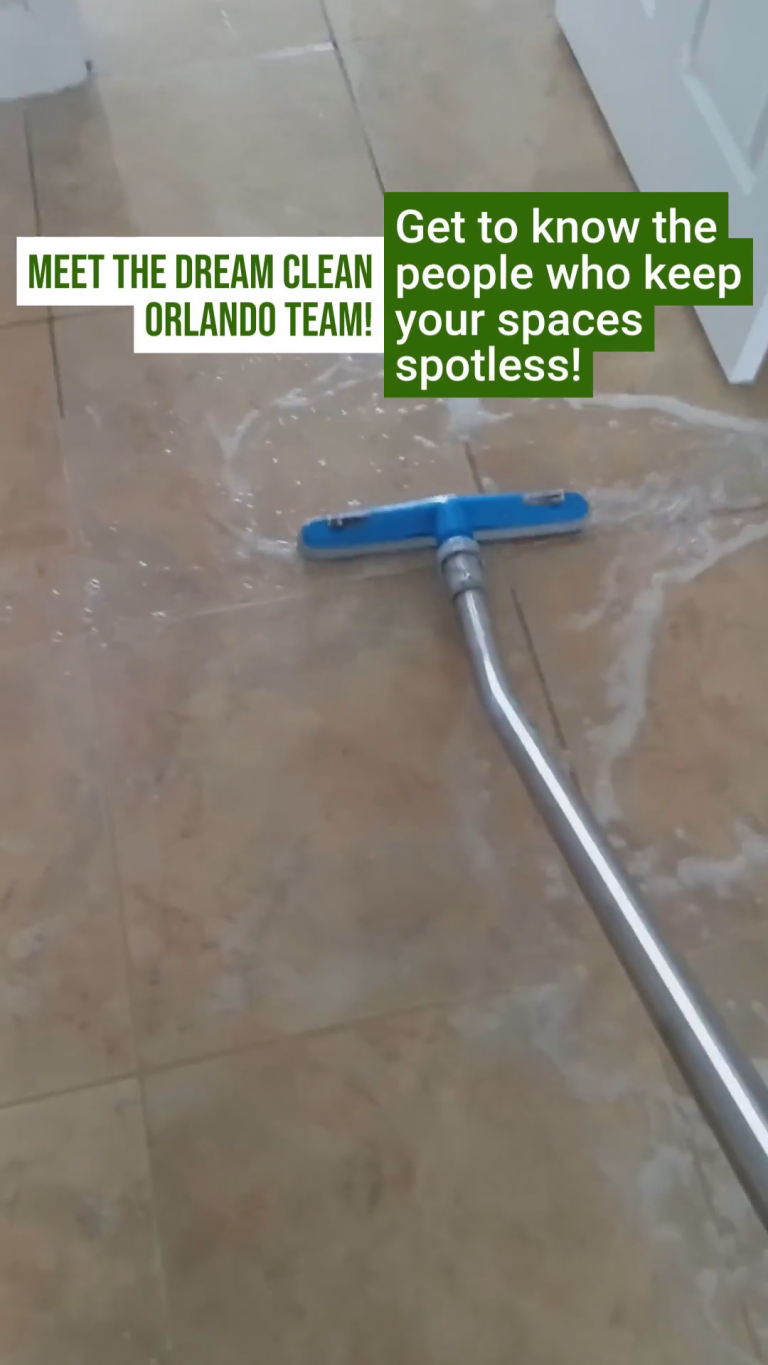
Steam cleaning uses heat, cleaning solutions when needed, pressure, agitation, and extraction to loosen and remove soil. Professional truck-mounted equipment flushes dirty water, grease, residues, and contaminants out of grout lines instead of simply spreading them across the floor. This process is especially effective when tile looks grimy from foot traffic, mopping residue, pet activity, kitchen grease, or years of soil packed into the grout.
The difference matters because acid removes specific types of buildup through a chemical reaction, while professional steam extraction physically lifts and removes a much broader range of everyday dirt. Using acid on the wrong surface can create permanent damage that no amount of cleaning can reverse.
When Acid Cleaning May Be Appropriate
Acid-based products can have a place in professional tile restoration, but only after the technician confirms that the material is acid-safe. Porcelain and certain ceramic tiles can sometimes tolerate properly diluted acid treatments, depending on their finish, grout condition, and the type of staining present.
The most common reason to consider acid is mineral buildup. Orlando-area water can leave white, chalky deposits around shower walls, faucets, floor drains, and toilet bases. On compatible surfaces, a controlled acid treatment may help dissolve that buildup so the surface can then be rinsed and cleaned thoroughly.
Acid may also be used for construction-related residue, such as cement haze or efflorescence. These situations require care because the stain may look similar to ordinary dirt but needs a completely different cleaning approach. A professional test spot is the right first step.
Even when acid is appropriate, stronger is not better. Excessive concentration, too much dwell time, or incomplete rinsing can weaken grout, etch tile finishes, corrode nearby metal fixtures, and leave behind fumes that are unpleasant in enclosed bathrooms. Acid should never be treated like a routine mop-and-go cleaner.
Surfaces That Need Extra Caution
Natural stone is the biggest concern. Marble, travertine, limestone, terrazzo, and many other calcium-based stones can react immediately with acid. The result can be etching, dull spots, rough patches, and a loss of the stone’s natural polish. Acid can also damage unsealed or deteriorating grout.
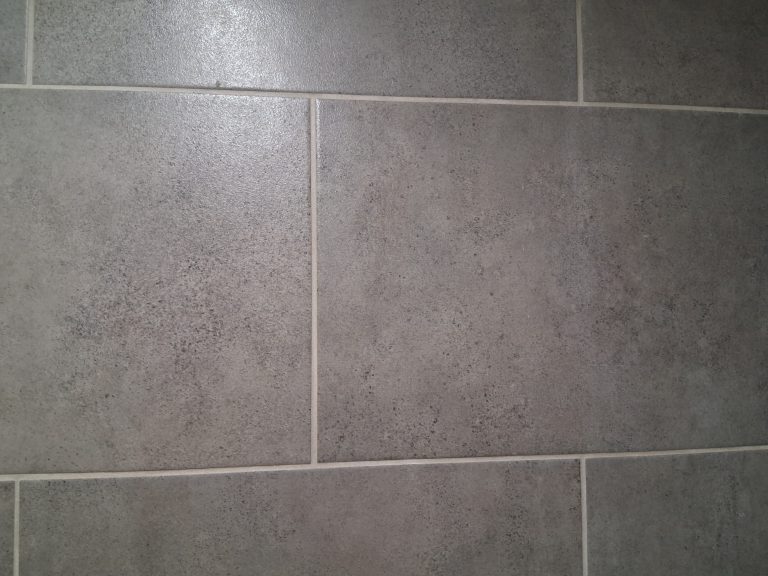
Textured tile deserves a careful inspection as well. Its uneven surface can hold cleaner and residue in small crevices. If an acidic product is not fully neutralized and extracted, it can continue affecting grout or leave the floor looking blotchy.
For these reasons, a bottle labeled tile cleaner is not proof that a product is right for your floor. Tile material, glaze, grout type, sealant condition, and the source of the stain all matter.
Why Steam Cleaning Is Often the Better Starting Point
For most residential and commercial tile floors, steam cleaning with high-pressure extraction is the safer and more complete starting point. It addresses the soil people actually live with every day: tracked-in dirt, body oils, food residue, soap film, grease, bacteria, and old cleaner buildup.
Routine mopping reaches the tile face but often leaves contaminated moisture in the grout. Over time, grout lines become darker, yellowed, or uneven in color. They may still look dirty immediately after mopping because the soil is below the surface, not sitting on top of it.
Professional steam cleaning starts with an appropriate cleaning solution to loosen the buildup. Specialized tools agitate problem areas, and hot water pressure flushes the grout lines. Powerful extraction then removes the suspended soil and moisture. Instead of pushing dirty water into corners or leaving it to dry in the grout, the process pulls it out.
This is particularly useful in kitchens, entryways, bathrooms, hallways, restaurants, rental properties, and office spaces. These areas collect different kinds of grime, but they share one problem: ordinary cleaning cannot always remove what has settled deep into the grout.
Steam cleaning is also more flexible across surface types. The process can be adjusted for ceramic, porcelain, textured tile, and many natural-stone installations. Sensitive materials still need the right solution and pressure setting, but they do not automatically require harsh chemicals to get meaningful results.
The Trade-Offs Homeowners Should Know
Steam is not a magic fix for every stain. Heavy mineral scale may need a targeted specialty treatment before or alongside steam extraction. Rust stains, permanent discoloration, and chemical damage can also require a different restoration approach.
Likewise, acid cleaning does not repair worn grout or restore a floor with years of embedded grease and soil. Acid may remove white mineral deposits while leaving the grout dark and dirty. It can solve one visible issue while missing the larger cleaning problem.
There is also a difference between cleaning and restoration. If grout is cracked, missing, permanently stained, or unevenly colored, cleaning alone may not provide the finish you want. Grout repair, color sealing, or clear sealing may be the right next step after deep cleaning.
Color sealing can give stained grout a consistent appearance while adding a protective barrier that makes future maintenance easier. Clear sealing is often a good choice when the grout’s natural color looks good after cleaning but needs protection from moisture and new staining.
A Professional Approach Protects Your Investment
The safest process begins with inspection, not a one-size-fits-all chemical. A trained technician should look at the tile material, grout condition, staining pattern, traffic level, existing sealers, and nearby fixtures before choosing a method.
At Dream Clean Orlando, that means identifying whether a shower’s white buildup is hard-water scale, whether a kitchen floor needs grease removal, or whether dark grout is simply embedded with soil. The cleaning plan can then use industrial-grade solutions, controlled heat and pressure, detailed grout-line work, and thorough extraction without taking unnecessary risks with the surface.
A professional will also protect baseboards, cabinets, walls, fixtures, and adjacent flooring. This matters in bathrooms and kitchens, where the cleaning area may be close to painted surfaces, metal trim, natural stone counters, or delicate shower hardware.
After cleaning, the floor should be evaluated while it is fully dry. Damp grout can temporarily appear darker, which makes it difficult to judge the final result. Once dry, you can see whether deep cleaning delivered the improvement you expected or whether restoration work, repair, or sealing would provide the best long-term value.
How to Keep Tile and Grout Cleaner Between Services
The right maintenance routine reduces the need for aggressive cleaning. Use a neutral cleaner that is safe for your tile and grout, rather than acidic bathroom products or oily soaps that leave residue behind. Rinse shower walls after use when possible, clean spills quickly, and avoid soaking floors with a mop.
In high-traffic areas, vacuuming or dry dust mopping before wet cleaning prevents grit from being dragged across the tile. In showers, proper ventilation helps slow the buildup of soap residue and mineral deposits. Sealed grout is easier to maintain, but it still needs regular cleaning to keep dirt from building up on the surface.
If your tile looks dull despite regular care, do not assume it needs replacement or reach for the strongest chemical on the shelf. A careful assessment can reveal whether targeted mineral removal, professional steam extraction, grout sealing, or restoration is the practical path to bringing the floor back to life.