
Can Grout Cracks Worsen? What Orlando Homes Need
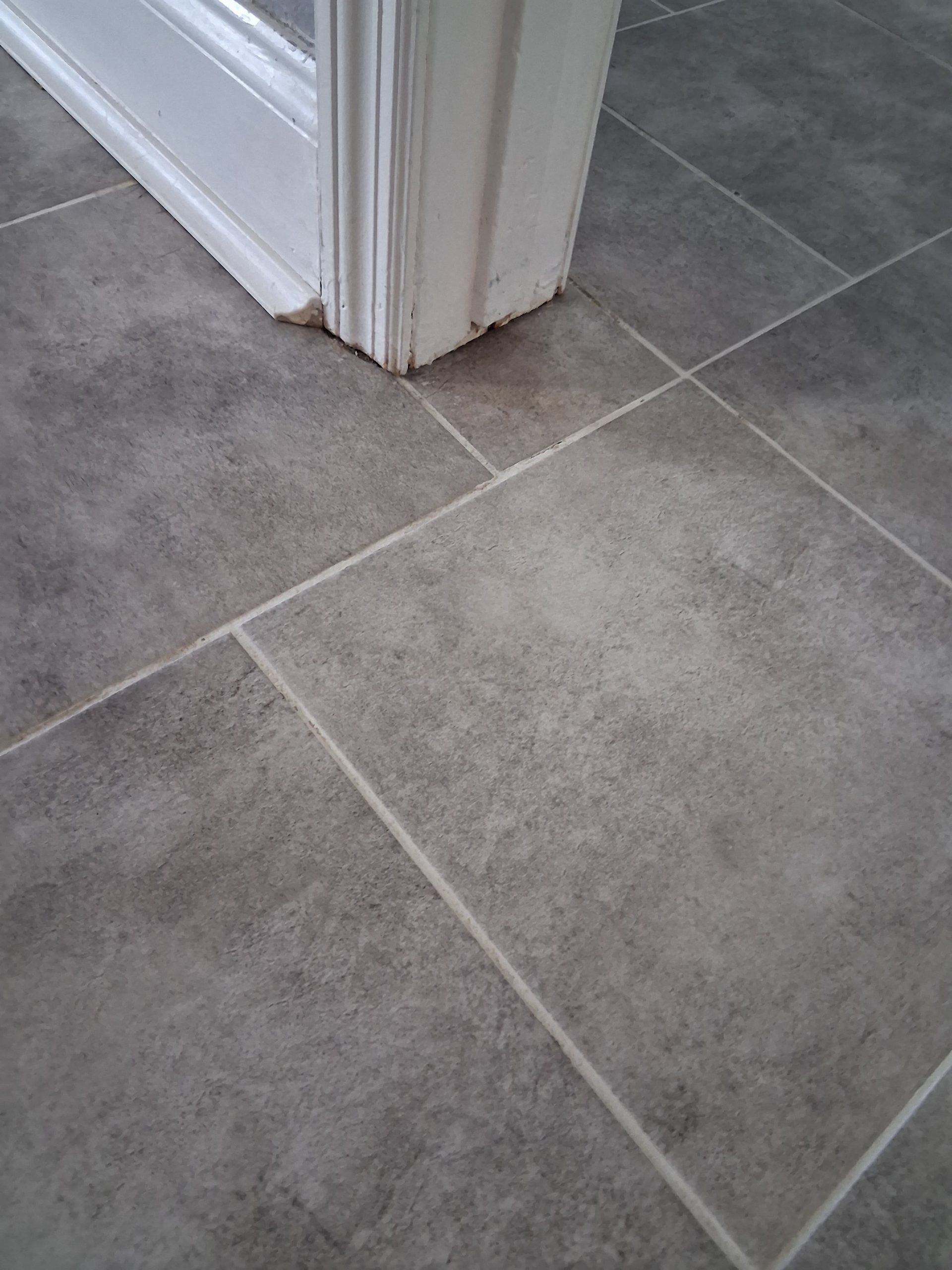
A hairline crack across a bathroom grout joint can look harmless on Monday and become a dark, crumbling gap by the end of the season. In Central Florida, where humidity, busy households, and frequent shower use put tile surfaces to work every day, homeowners often ask: can grout cracks worsen? Yes. They can spread, collect soil, allow moisture behind tile, and eventually turn a small repair into a larger restoration project.
The good news is that cracked grout does not automatically mean your tile installation has failed. Grout is a serviceable part of a tiled surface, and many cracks can be repaired when the underlying cause is identified early. The key is not simply filling the visible line and hoping it holds. A lasting repair starts with understanding why the grout cracked in the first place.
Can Grout Cracks Worsen Over Time?
Grout cracks can worsen because the open joint is exposed to daily movement, water, cleaning products, foot traffic, and dirt. Once the surface is broken, the edges tend to chip more easily. Fine debris settles into the crack, making it look darker and wider than it did originally.
On a floor, repeated walking and rolling loads can loosen weak grout at the edges of tile. In a shower, water enters the opening during every use. Soap residue, hard-water minerals, and mildew can accumulate in the gap, and moisture may remain below the tile longer than it should.
How quickly damage progresses depends on the location. A tiny crack in a low-traffic kitchen corner may stay stable for a long time. A crack near a shower curb, bathtub edge, toilet, exterior doorway, or heavily used hallway deserves faster attention because those areas see more water or movement.
Why Grout Cracks in the First Place
Grout is hard, but it is not designed to flex like caulk. Tile assemblies naturally experience some movement from changes in temperature, moisture, settling, and normal use. If grout is placed where a flexible joint is needed, cracking is likely to return.
In bathrooms and showers, the joint where tile meets a tub, shower pan, wall, countertop, or different plane should generally be treated as a movement joint. Flexible, mildew-resistant caulk is often the right material there, not standard grout. Using grout at these transitions can lead to a neat-looking repair that splits again within months.
Floor movement is another common cause. A home can settle slightly over time, especially around doorways, long tile runs, or areas where the subfloor has minor flex. Large-format tile, improperly prepared subfloors, missing expansion joints, and heavy impacts can also place stress on grout lines.
Sometimes the issue is much simpler: grout may have been mixed too wet, installed too thinly, cured poorly, or worn down by harsh cleaners and abrasive scrubbing. Strong acidic products are especially risky for cement-based grout and certain natural stone surfaces. They can slowly weaken the material, leaving joints more porous and more likely to crumble.
When a Small Crack May Signal a Bigger Problem
Most isolated grout cracks are repairable. However, cracks that keep returning in the same location can be a clue that the tile beneath them is moving. If several neighboring grout lines are cracked, tile sounds hollow when tapped, or individual tiles shift underfoot, the concern goes beyond cosmetic repair.
In a shower, loose tile, soft drywall outside the shower, persistent mildew odor, staining on an adjacent wall, or water damage below the bathroom should be inspected promptly. Grout and tile are not the waterproof layer of a shower. They help manage the surface, but the installation behind them must also direct water safely.
Watch for these signs that call for a closer look:
- Cracks widen, multiply, or reappear soon after repair.
- Grout is missing in multiple joints or falls out when lightly touched.
- Tiles feel loose, rock under pressure, or sound hollow over a large area.
- Dark staining, mildew, or dampness returns quickly around shower cracks.
- Cracked tile appears alongside cracked grout.
A cracked tile may indicate impact damage, structural movement, or insufficient support below the tile. Filling the grout alone will not correct those conditions. A qualified tile repair professional may need to evaluate the installation before cosmetic work begins.
What Moisture Does to Cracked Shower Grout
A shower is where homeowners should be most cautious about waiting. Water can enter cracked grout joints, especially if the grout is worn, unsealed, or missing altogether. That does not mean every grout crack creates an immediate leak, but repeated saturation creates an opportunity for moisture to travel where it should not.
The practical issue is cumulative exposure. One shower may not cause visible damage. Hundreds of showers through a humid Orlando summer can keep the area wet long enough for soap film, bacteria, and mineral deposits to build up. The crack becomes harder to clean, and the surrounding grout often begins to discolor.
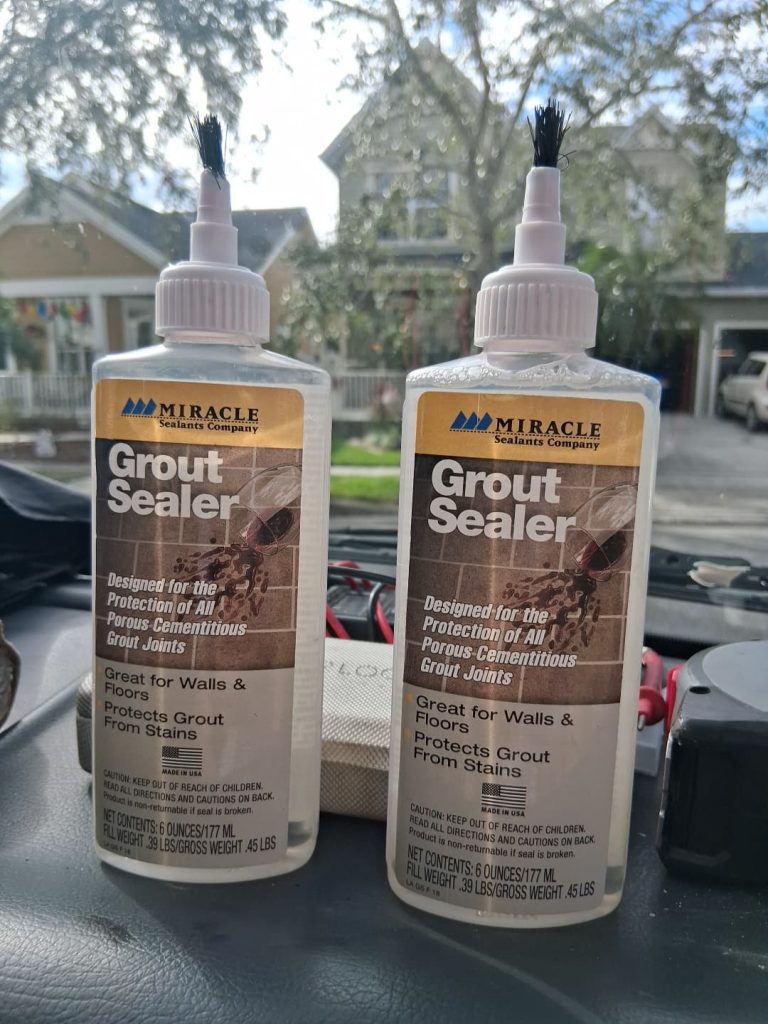
Proper cleaning and sealing can improve the condition and maintainability of sound grout, but sealer is not a repair for a moving or open joint. A penetrating grout sealer reduces absorption. It does not glue failing grout back together, stop structural movement, or replace a failed waterproofing system.
The Right Way to Repair Cracked Grout
A durable grout repair begins by removing loose, weak, and contaminated material. Applying new grout over crumbling edges may look better for a short time, but the repair has little to bond to. The joint must be cleaned out carefully without damaging the edges of surrounding tile.
After removal, the area needs to be thoroughly cleaned and allowed to dry. This step matters, especially in kitchens and showers where oils, soap residue, hard-water buildup, and embedded soil can interfere with adhesion. The correct replacement material is then selected based on the location, joint size, tile type, and amount of expected movement.
For a stable floor joint, new grout may be appropriate. For corners, perimeters, shower transitions, and changes of plane, a color-matched flexible sealant is often the better choice. Epoxy grout can offer high stain resistance in suitable applications, but it is not automatically the answer to movement-related cracking. It is extremely durable, yet still cannot solve an unstable substrate or a missing expansion joint.
Once repairs have cured, professional deep cleaning can make the repaired area blend more naturally with existing grout. In some cases, grout color sealing is a smart option for older floors with widespread discoloration. It provides a consistent color while adding a protective surface that makes routine cleaning easier. It should be considered only after damaged joints are repaired and the tile surface is properly prepared.
Cleaning Habits That Help Prevent More Damage
Routine care will not eliminate every grout crack, but it can slow surface wear and make new problems easier to spot. Sweep or vacuum grit from tile floors regularly because abrasive sand and dirt wear at grout joints over time. Mop with a neutral cleaner rather than reaching for acidic or bleach-heavy products as an everyday solution.
In showers, use ventilation during and after bathing, and remove excess water from walls and floors when practical. A quick squeegee habit reduces the moisture and residue that feed staining. Avoid aggressively digging at grout with metal tools or stiff wire brushes. Those methods can turn a small weak spot into a larger missing section.
If grout lines look dark even after mopping, the problem may be embedded contamination rather than a need for harsher chemicals. Professional high-pressure steam cleaning and extraction can flush soils from grout lines more effectively than surface mopping, helping reveal whether the grout is stained, worn, or actually failing.
When to Call a Professional
A homeowner can sometimes address one small, stable crack with the right material and careful preparation. It makes sense to bring in a professional when cracks cover a wider area, return repeatedly, affect a shower, or appear with loose tile and moisture concerns. The goal is to avoid paying for the same patch twice.
Dream Clean Orlando helps Central Florida homeowners and property managers restore tired tile and grout with detailed cleaning, grout repair, sealing, and color sealing services. A professional assessment can separate surface-level grout wear from tile movement or possible water intrusion, so the recommended work matches the real condition of the floor or shower.
Small grout cracks are easier and less costly to address before they become open gaps, stubborn stains, or moisture concerns. If a crack has changed shape, darkened, or started spreading, treat it as a useful warning from your tile surface and have it evaluated while repair options are still straightforward.
6 Comments