
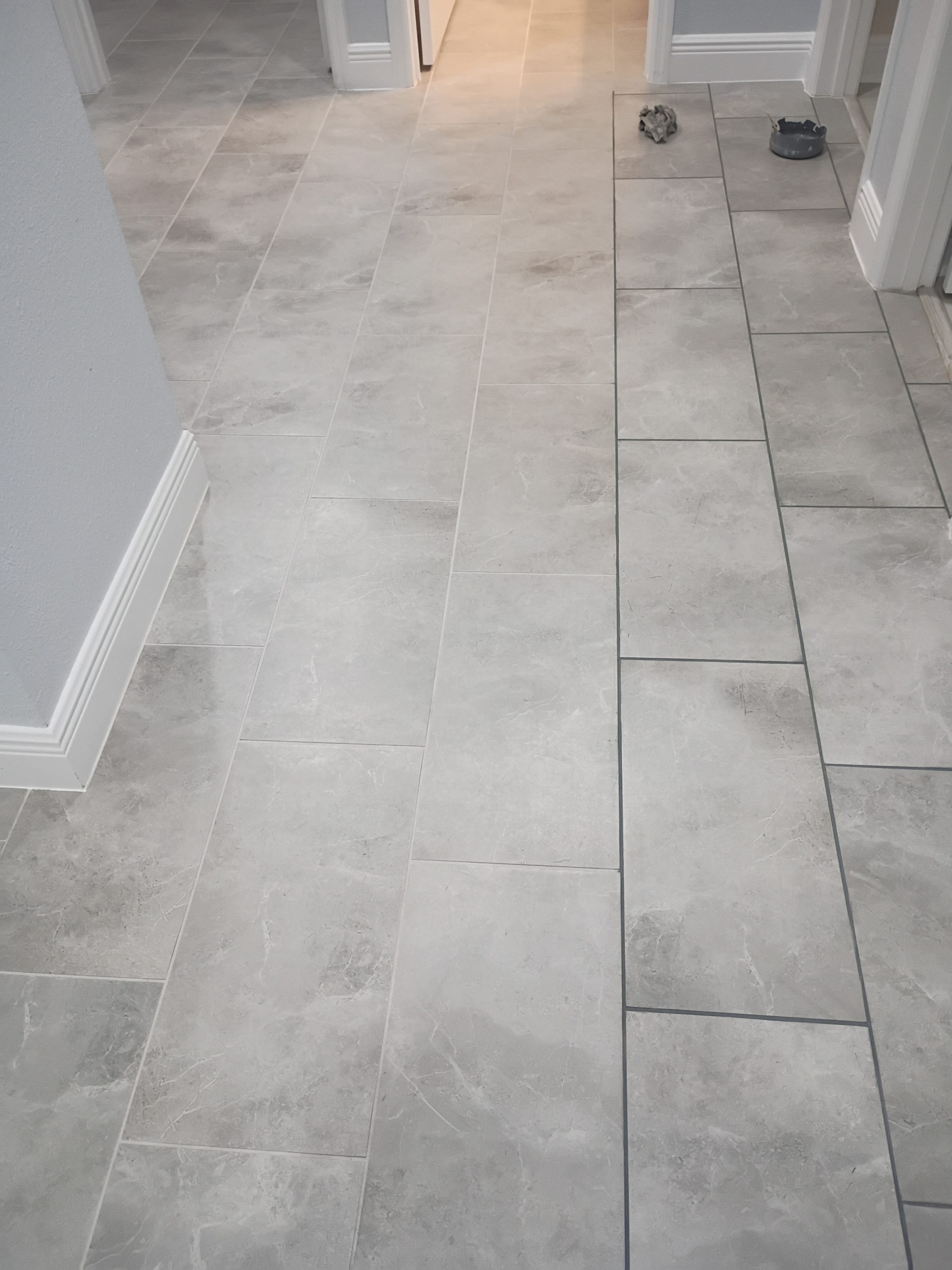
Epoxy Grout Versus Cement Grout: Which Is Better?
A tile floor can look brand-new while the grout lines tell a different story. In Central Florida kitchens, bathrooms, entryways, and showers, the choice between epoxy grout versus cement grout affects more than appearance. It affects how easily soil, grease, soap residue, moisture, and stains settle into the joints over time.
Both products have a place in residential and commercial tile installations. Neither is automatically the right answer for every room, budget, or tile type. The best choice comes down to where the tile is installed, how much traffic it gets, who will maintain it, and whether the existing grout is already showing signs of wear.
Epoxy Grout Versus Cement Grout: The Main Difference
Cement grout is the traditional material found in most tile floors and walls. It is made with cement, sand in many applications, pigments, and additives. Once installed, it hardens into the familiar grout lines between tiles. It is affordable, widely available, and available in many colors.
Its drawback is porosity. Even quality cement grout can absorb moisture, cooking grease, spills, minerals from hard water, and tracked-in dirt. Regular mopping cleans the tile surface, but it often pushes dirty water across the grout lines rather than removing what is embedded inside them. That is why grout can become dark, blotchy, or yellowed even in a home that is cleaned regularly.
Epoxy grout is made from epoxy resins and fillers instead of Portland cement. It cures into a dense, highly stain-resistant material that absorbs far less moisture than standard cement grout. Its surface is less likely to hold onto coffee, grease, shampoo residue, and everyday spills.
The trade-off is that epoxy grout costs more and is much less forgiving during installation. It sets quickly, can leave a stubborn haze if not cleaned correctly, and requires an installer who understands the product. A grout choice that sounds simple on paper can become expensive if the installation goes wrong.
Why Cement Grout Is Still Common
Cement grout remains the most common choice because it works well for many tile projects when it is installed properly and maintained consistently. Homeowners often choose it for its lower material and labor cost, familiar look, and broad range of color options.
It is also easier to repair than epoxy grout. If a small section cracks, chips, or needs to be removed for tile repair, a qualified technician can usually remove and replace cement grout with less difficulty. That matters in older homes, rental properties, and large tiled areas where future repairs may be likely.
For most standard kitchen floors, living areas, and bathroom walls, a quality cement grout followed by professional sealing can be a sensible, cost-conscious solution. Sealer does not turn cement grout into epoxy grout, but it adds a protective barrier that slows absorption and gives spills less time to stain.
Where Cement Grout Needs More Attention
Cement grout is more demanding in places exposed to frequent moisture, oils, or foot traffic. Shower floors, busy family kitchens, restaurant floors, entryways, and bathroom tile are common trouble spots. In Orlando, humidity can also slow drying after showers and increase the chance of mildew staining where ventilation is poor.
When cement grout becomes dirty, aggressive scrubbing with harsh chemicals is not always the answer. Acidic cleaners and repeated bleach use can weaken grout, damage nearby natural stone, or create uneven color. Professional high-pressure steam cleaning and extraction can flush contamination from grout lines without leaving dirty water behind on the floor.
Where Epoxy Grout Makes Sense
Epoxy grout is often worth considering in areas where stain resistance and low absorption are high priorities. It performs especially well in shower areas, kitchen backsplashes, countertops, commercial restrooms, food-service spaces, and floors that see frequent spills.
Because it resists moisture and stains, epoxy grout can reduce the day-to-day maintenance burden. A spilled drink or greasy cooking splash is less likely to soak into the grout line. This can be particularly useful for landlords, property managers, and business owners who need surfaces that hold their appearance between deeper cleanings.
Epoxy grout is not a substitute for proper waterproofing, however. A shower still needs the correct waterproofing system behind the tile, sound caulk at changes of plane, and adequate ventilation. If water is getting behind the tile or a shower pan has failed, changing the grout alone will not solve the problem.
The Real Cost of Epoxy Grout
The price difference is not just the material. Epoxy grout takes longer and requires more careful installation. The installer must work in small sections, clean excess material promptly, and follow the manufacturer’s timing closely. Poorly installed epoxy can leave haze on tile, uneven joints, or difficult cleanup work.
It is also harder to remove if tile repairs are needed later. That durability is an advantage when the grout is performing well, but it can add labor when a damaged tile must be replaced. For a simple, low-traffic bathroom wall, the extra cost may not provide enough practical benefit. For a heavily used shower or commercial kitchen, it may be money well spent.
Cleaning Epoxy and Cement Grout
The cleaning method should match the grout type, tile material, and source of the staining. Cement grout usually responds well to deep cleaning when the soil is on or near the surface. Professional equipment uses heat, pressure, cleaning solutions, and immediate extraction to lift embedded grime from the grout line instead of spreading it around.
Older cement grout may remain stained after cleaning because discoloration has penetrated deeply or the grout has worn away. In that situation, grout color sealing can be an excellent restoration option. A color seal creates a uniform finish while adding a protective layer, often making a tired floor look dramatically cleaner without the cost of tile replacement.
Epoxy grout is usually easier to maintain because less material is absorbed. Still, it can collect surface film from soap, body oils, hard-water minerals, and improper cleaners. Textured tile and shower grout may also hold residue along the edges of the joints. Epoxy grout should be cleaned with products appropriate for the tile and grout, not abrasive powders or tools that can dull the tile finish.
If you are unsure what kind of grout is in your home, do not guess based only on color. A professional inspection can help identify whether you are dealing with sealed cement grout, unsealed grout, epoxy grout, color-sealed grout, or a failing installation that needs repair rather than cleaning.
Choosing the Right Grout for Each Space
For a typical indoor tile floor, cement grout with routine professional cleaning and protective sealing often offers good value. It is practical, repairable, and capable of looking great for years when it is not neglected.
For a shower floor, busy kitchen, commercial restroom, restaurant space, or any area where spills and moisture are constant, epoxy grout deserves serious consideration. Its higher initial cost may be balanced by better stain resistance and fewer maintenance headaches over the life of the installation.
Tile type also matters. Natural stone, travertine, and certain textured tiles need careful product selection and cleaning procedures. The wrong grout color, cleaner, or sealer can affect the appearance of the entire surface. Before choosing a grout, consider the tile manufacturer’s recommendations and the experience of the installer handling the job.
When Existing Grout Can Be Restored
Dark grout does not always mean replacement is necessary. Many cement grout floors respond well to deep professional cleaning, grout repair, sealing, or color sealing. The right service depends on whether the grout is simply dirty, permanently stained, cracked, missing, or failing due to movement or moisture.
Dream Clean Orlando helps homeowners and property managers evaluate tile and grout condition before recommending a restoration path. Truck-mounted steam cleaning, high-pressure extraction, and protective sealing can bring heavily used tile surfaces back to life while helping protect the investment already underfoot.
Whether you choose epoxy or cement grout, the best long-term result comes from matching the material to the room, installing it correctly, and addressing buildup before it becomes permanent. A clean grout line changes the entire look of a tiled space, and it is usually far more affordable to maintain it than to replace it.

One Comment