A Guide to Tile Color Sealing for Floors
A floor can be freshly mopped and still look dirty because the grout lines have absorbed years of soil, cooking grease, soap residue, hard-water minerals, and foot traffic. A guide to tile color sealing begins with a simple distinction: in most cases, the color sealer is applied to the grout, not painted across the tile itself. That difference matters because the right process can make an older floor look dramatically cleaner without the cost and disruption of replacement.
For homeowners, landlords, and facility managers in Central Florida, grout color sealing is often the practical next step after deep cleaning. It restores a consistent appearance, helps protect porous grout from future staining, and makes routine floor care much easier. The results depend on the tile material, the grout condition, and whether the surface is properly cleaned and prepared first.
Tile Color Sealing: What It Actually Treats
The phrase tile color sealing is commonly used to describe grout color sealing. Cement-based grout is naturally porous. Even when the tile surface is ceramic or porcelain and easy to wipe, grout can trap fine dirt and liquids below the surface. Over time, light grout may turn gray, brown, orange, or unevenly blotchy. In showers, it may also collect soap film, body oils, and mineral buildup.
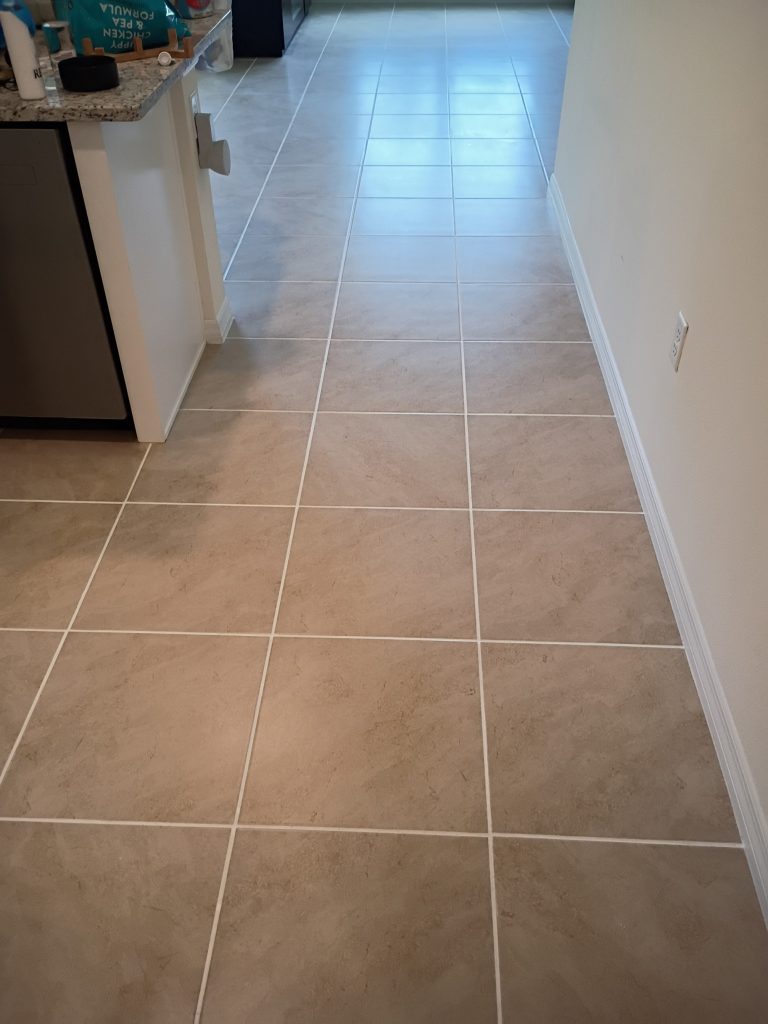
A professional color sealer is a pigmented protective coating designed to bond to clean grout lines. It covers permanent discoloration while creating a more stain-resistant finish. The color can closely match the existing grout or shift the look of the floor entirely. A medium gray, for example, can be a sensible choice for a busy kitchen, rental property, entryway, or commercial space where bright white grout would show traffic quickly.
The tile faces should remain clean and free of coating. Proper application involves carefully working the sealer into the grout joints, then removing any excess from the tile before it dries. When the job is done correctly, the grout lines look even and refreshed while the tile retains its intended finish and texture.
Color sealing is not the same as painting tile or refinishing a bathtub. If the tile itself is cracked, etched, severely worn, or permanently stained, it may need a different restoration approach. Natural stone also requires special evaluation because some stones are porous, sensitive to certain cleaners, or finished with their own topical coatings.
When Grout Color Sealing Makes Sense
Color sealing works especially well when grout has been deeply cleaned but still looks stained or uneven. Some discoloration sits so far below the surface that cleaning alone cannot return grout to its original shade. A color sealer provides a uniform finish instead of asking you to live with permanent shadows in every joint.
It can also be a smart choice after grout repair. New grout patches may be structurally sound but noticeably different in color from surrounding areas. Sealing the repaired and existing grout together can help create a more consistent look.
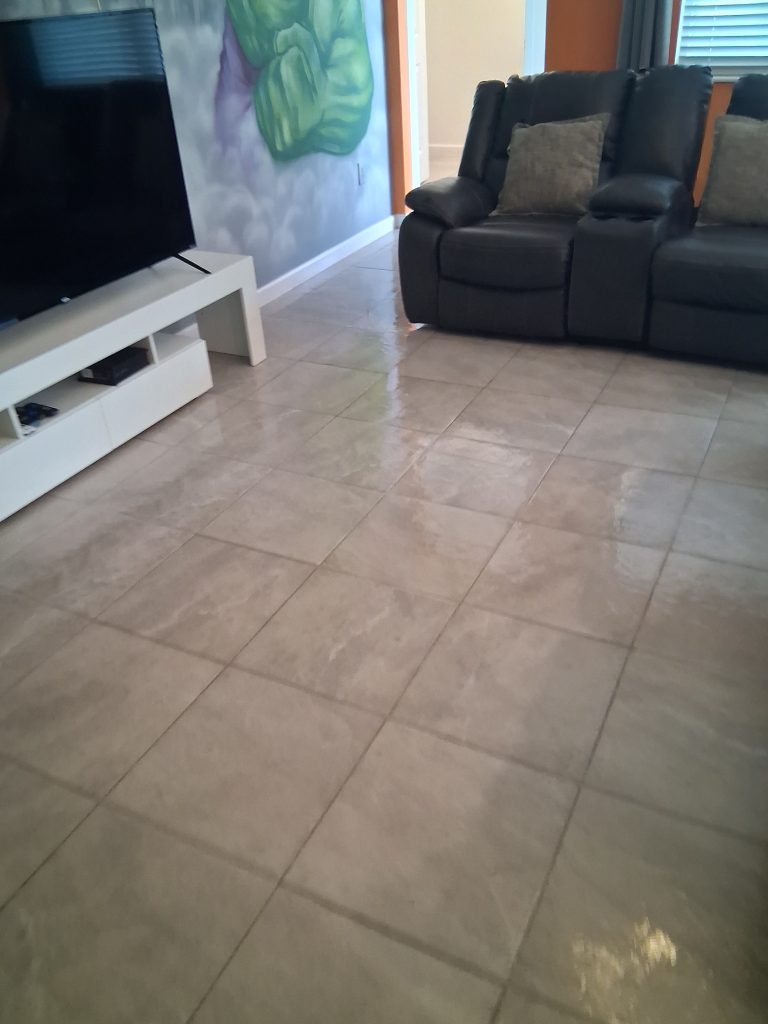
High-use areas are often the best candidates. Kitchen floors collect grease and food splatter. Bathroom floors and showers deal with soap residue and moisture. Hallways, living rooms, apartment common areas, restaurants, and offices collect tracked-in dirt that routine mopping tends to spread around rather than extract. Color-sealed grout does not eliminate cleaning, but it gives grime fewer places to settle in.
There are situations where sealing should wait. Loose, crumbling, or missing grout needs repair first. Active leaks, persistent moisture beneath the tile, or signs of mold behind shower walls need to be addressed at the source. Applying a color sealer over failing grout may improve the appearance for a short time, but it will not correct the underlying problem.
The Professional Process Makes the Difference
The best results come from preparation, not just from the color sealer itself. Grout must be free of embedded soil, cleaning-product residue, waxes, oils, and old failing coatings before a new finish can bond correctly. This is why a quick mop-and-seal approach often disappoints.
A professional restoration service typically starts with an inspection of the tile, grout, traffic patterns, stains, and prior sealers. The technician can identify whether the floor is ceramic, porcelain, travertine, natural stone, textured tile, or another hard surface. Each material responds differently to moisture, heat, cleaning solutions, and agitation.
Next comes deep cleaning. Truck-mounted steam cleaning, controlled high pressure, specialized solutions, and strong extraction can flush soil out of grout lines instead of leaving it on the floor. The goal is to lift away the contaminants that ordinary mopping cannot reach. In kitchens, degreasing may be necessary. In showers, mineral and soap buildup may need targeted treatment. Grout repairs should be completed and allowed to cure before color sealing begins.
Once the surface is clean and dry, the chosen color sealer is applied carefully to the grout lines. Excess material is removed from the tile surface as the work progresses. The floor then needs appropriate cure time before normal traffic, moisture, or aggressive cleaning resumes. Cure time varies by product, humidity, ventilation, and the type of surface, so following the technician’s instructions protects the finished result.
Central Florida’s humidity is one reason drying and curing should not be rushed. A floor that looks dry on top may still hold moisture in grout joints or along edges. A careful professional will evaluate conditions rather than apply a coating simply because the appointment is on the calendar.
Choosing the Right Grout Color
Matching the original grout color is not always the best decision. If the existing grout was bright white and the floor is in a high-traffic area, selecting a slightly deeper neutral can be more forgiving between cleanings. Gray, beige, tan, and soft taupe often pair well with common tile styles while keeping the room from looking overly busy.
A contrasting color can define the tile pattern, but it demands more precision. Dark grout against light tile can look sharp and modern, yet every uneven line or damaged joint becomes more noticeable. For older floors with inconsistent joint widths, a close color match often produces the most natural restoration.
The lighting in the room matters too. A sample that looks warm in a sunny kitchen can look cooler under bathroom vanity lights. Before settling on a color, consider the tile tone, wall color, cabinetry, and how much daily traffic the area receives. This is a finish you should expect to live with for years, not just until the next cleaning.
Care After Color Sealing
A color-sealed grout line is easier to maintain, but it still benefits from sensible cleaning habits. Use a neutral cleaner approved for tile and grout, and avoid harsh acids, bleach-heavy products, abrasive powders, and oily cleaners that leave residue. A soft mop or microfiber pad is usually a better choice than a dirty string mop that pushes contaminated water into corners and grout joints.
Clean spills promptly, especially on kitchen floors. Place mats at exterior doors to reduce tracked-in sand and moisture. In showers, rinsing walls and floors after use and using ventilation can reduce soap buildup. These small habits help preserve the finished appearance and reduce the need for heavy restoration later.
If a floor begins looking dull again, the issue may be residue on the tile rather than failure of the color sealer. Professional cleaning can remove buildup safely without stripping a properly applied grout finish. Avoid experimenting with strong chemicals when you are unsure what was used on the floor.
For Orlando-area homes and businesses, Dream Clean Orlando can inspect stained grout, clean the surface with professional extraction equipment, repair problem areas, and determine whether color sealing is the right fit. Honest evaluation matters because a good restoration should protect the floor, not just make it look better for a day.
A well-restored floor should feel easier to care for every time you clean it. If your tile still looks tired after regular mopping, ask for an assessment before assuming replacement is the only answer. Clean, evenly colored grout can bring back the finished look your room has been missing.