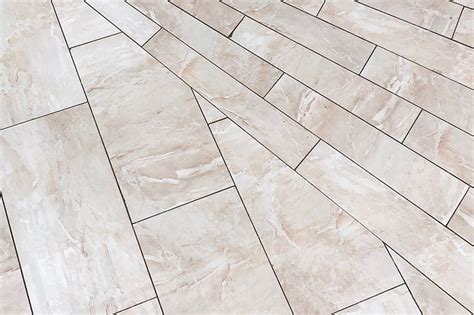
Porcelain Tile Stain Removal Without Damaging Floors
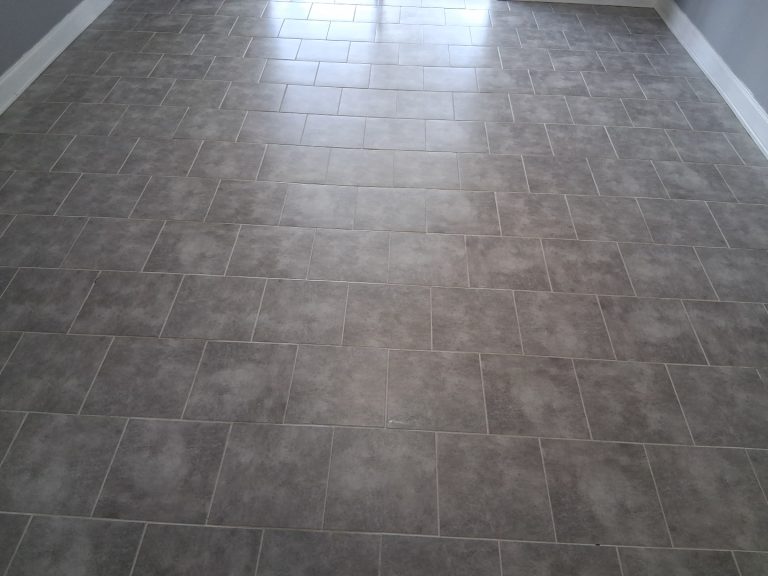
A porcelain floor can look dirty even after you mop it. In many cases, the problem is not the tile itself. It is a mix of residue, embedded soil, mineral deposits, grease, or stained grout lines that changes the whole appearance of the room. Effective porcelain tile stain removal starts by identifying what is sitting on the surface and what has worked its way into the grout.
Porcelain is one of the most durable flooring materials available, but durable does not mean it should be cleaned with every product in the cabinet. The wrong cleaner can leave a cloudy film, dull a polished finish, damage grout, or push grime deeper into textured tile. A careful approach protects your floors while bringing back the clean, even look you expected when the tile was new.
Why Porcelain Tile Develops Stains and Dull Spots
Most glazed porcelain tile is highly resistant to absorption. That is good news for homeowners and facility managers, because spills generally stay near the surface long enough to be cleaned. Still, staining and discoloration can happen when a spill dries repeatedly, cleaning products leave residue behind, or soil collects in texture and grout lines.
In Central Florida homes, hard-water minerals are a frequent issue in showers, bathrooms, entryways, and around pet water bowls. White or chalky buildup can make dark tile appear faded. In kitchens, cooking oil, food spills, and tracked-in dirt can form a sticky layer that ordinary mopping spreads around rather than removes. Bathrooms often have a different combination: soap scum, body oils, mildew staining, and mineral buildup.
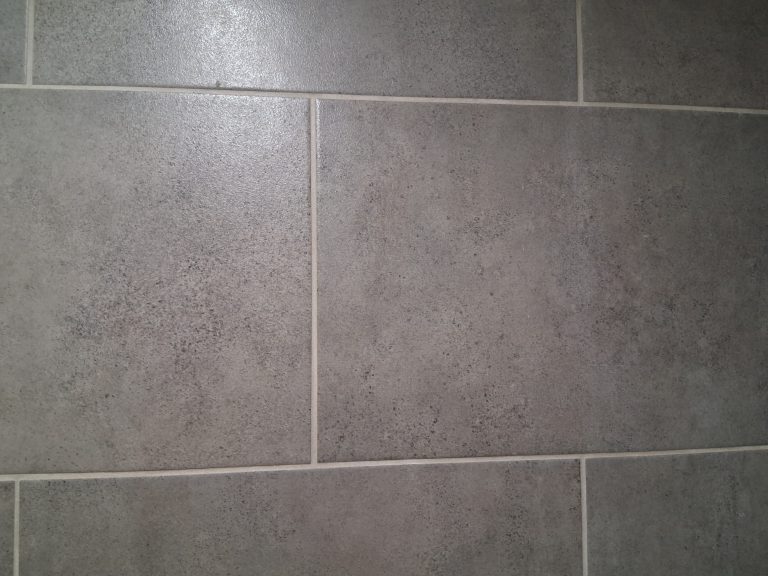
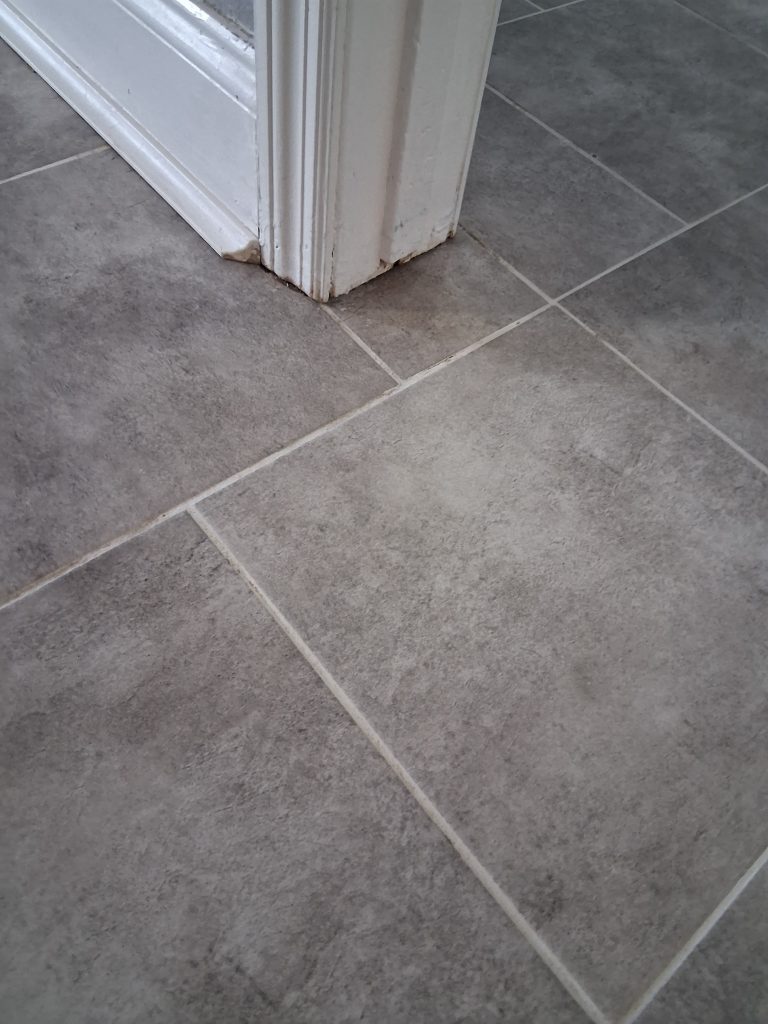
Grout is usually the bigger source of visible discoloration. Unlike porcelain, grout is porous unless it has been properly sealed. It can absorb spills, dirt, and moisture, turning floors that are technically clean into floors that still look gray, yellowed, or stained around every tile.
Start With the Safest Porcelain Tile Stain Removal Method
Before using a specialty product, remove loose dust and grit with a vacuum safe for hard floors, a dry microfiber mop, or a soft broom. This step matters because gritty debris can scratch some polished porcelain finishes when it is rubbed under a wet mop or scrub pad.
For everyday soil and mild stains, use warm water with a small amount of pH-neutral tile cleaner. Apply it according to the product directions, allow a short dwell time, then agitate lightly with a soft nylon brush or microfiber pad. Rinse with clean water and dry the surface with a clean microfiber towel. If the water is dirty, change it often. Mopping with dirty water is one of the fastest ways to leave a floor looking hazy.
A light cleaning method is usually enough for fresh spills, everyday footprints, and minor surface grime. It is not always enough for stains that have been left for weeks, textured tile that traps soil, or grout that has absorbed years of traffic and cleaning residue.
Match the Cleaner to the Stain
The source of the stain determines the right treatment. A degreasing cleaner may help kitchen tile, while a mineral deposit remover may be needed for shower walls or bathroom floors. Soap residue requires a different approach than rust staining, and organic stains from food, pets, or plants may need an oxygen-based cleaner formulated for tile and grout.
Always test any product in a hidden area first. This is especially important for polished porcelain, dark grout, colored grout, and tile with decorative printing or a textured finish. Follow the label dilution instructions. Stronger is not automatically better, and overusing concentrated chemicals can create more residue or weaken grout over time.
Avoid mixing cleaning products. Combining bleach, ammonia, acids, or other household chemicals can create dangerous fumes or unpredictable reactions. If one product does not work, rinse the area thoroughly, let it dry, and use a different appropriate product later rather than layering chemicals.
What Not to Use on Porcelain Tile
Porcelain can tolerate more than many natural stone surfaces, but there are still cleaning shortcuts that create unnecessary risk. Abrasive powders, steel wool, and harsh scouring pads can scratch or dull certain finishes. They can also roughen grout, making it easier for future dirt to cling to the surface.
Acidic products should be used carefully and only when they are specifically suitable for porcelain and the grout in question. Acid may remove mineral buildup, but repeated or improper use can erode cement-based grout and affect nearby metal fixtures. Vinegar is often recommended as a general household cleaner, yet it is not the best answer for every tile problem, particularly where grout is worn, unsealed, cracked, or already discolored.
Oil-based cleaners and waxy floor products should also be avoided unless they are approved for your flooring. They can leave a slippery film that attracts dirt and makes tile appear duller over time.
When Stains Are Really a Grout Problem
If the face of each tile looks fairly clean but the room still appears dark or aged, take a close look at the grout lines. Grout can hold fine soil well below the surface, especially in kitchens, showers, entryways, hallways, and commercial restrooms. A mop glides over the top but does not flush contaminants out of the pores.
This is where professional equipment makes a meaningful difference. High-pressure steam cleaning and extraction loosen embedded soil, rinse the grout lines, and remove the dirty solution instead of redistributing it across the floor. Professional technicians also use industrial-grade solutions selected for the soil type and surface, not one harsh chemical for every job.
For grout that remains permanently stained after deep cleaning, color sealing can be a practical alternative to replacement. A quality color seal restores a uniform grout color while adding a protective barrier that makes future cleanup easier. It is particularly helpful for high-traffic rental properties, busy family kitchens, restaurant flooring, and older tile installations where the grout is structurally sound but visually worn.
Special Considerations for Textured and Shower Tile
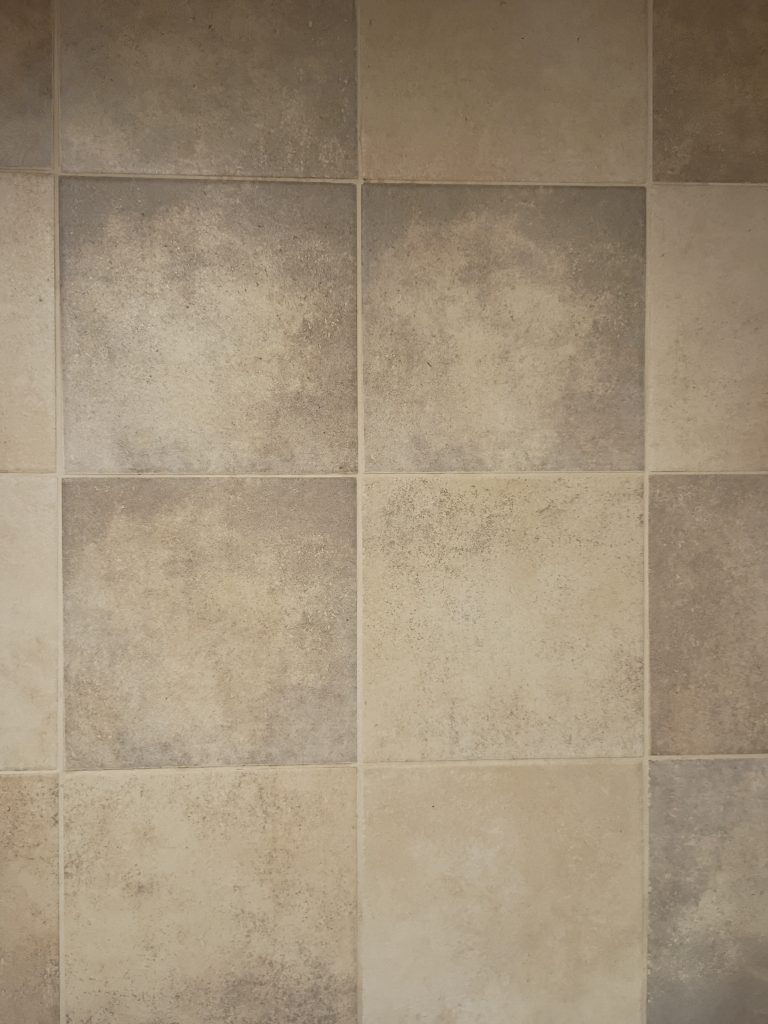
Textured porcelain deserves extra attention because its slip-resistant surface has small grooves that hold dirt, soap residue, and cleaning-product film. Scrubbing harder is not always the answer. Aggressive pads can damage the finish while still failing to reach the deepest texture.
A controlled professional cleaning process uses proper dwell time, agitation, heat, pressure, and extraction to lift residue from those low spots. The goal is not merely to make the tile wet and shiny. It is to remove the material that makes the surface look uneven, feel grimy, or become slippery when damp.
Shower tile also requires a different level of care because moisture is constant. White scale, orange mineral staining, dark discoloration near caulk lines, and cloudy residue can be signs of hard water, soap buildup, poor ventilation, or failing grout and caulk. Cleaning can improve the appearance, but cracked grout, loose tile, or deteriorated caulk may need repair before sealing. Sealing over an unresolved moisture issue can trap the problem rather than solve it.
A Better Maintenance Routine After Cleaning
Once porcelain tile and grout are restored, simple habits help keep the results longer. Wipe spills quickly, especially coffee, wine, cooking oil, pet accidents, and colored drinks. Use entry mats to reduce tracked-in sand and soil, then vacuum or dry mop regularly before wet mopping.
Use a pH-neutral cleaner at the correct dilution, and rinse away cleaner residue rather than leaving it to dry. In showers, a quick squeegee after use can reduce hard-water spots and soap scum. For sealed grout, follow the maintenance recommendations for the sealant, since protection wears down over time in wet areas and high-traffic rooms.
Property managers and commercial facility teams may need a more frequent professional schedule. Restaurants, medical facilities, retail spaces, apartment common areas, and offices can accumulate soil quickly. Regular deep cleaning helps maintain a sanitary appearance, protects grout from premature wear, and prevents a full restoration from becoming a larger project later.
When It Is Time to Call a Professional
Consider professional porcelain tile stain removal when the floor looks dirty immediately after mopping, grout lines remain dark after scrubbing, shower tile has stubborn mineral buildup, or textured tile holds grime in its surface. It is also a smart choice before listing a home, turning over a rental, opening a business, or deciding whether expensive tile replacement is necessary.
Dream Clean Orlando uses truck-mounted equipment, maximum heat, pressure, and extraction to clean tile and grout more thoroughly than routine household methods can manage. The right process can remove years of buildup while treating your porcelain, grout, and surrounding surfaces with care.
A clean tile floor should not depend on harsher chemicals or hours spent on your hands and knees. When stains keep returning, professional cleaning and protective sealing can give your floors a fresh start and make everyday maintenance feel manageable again.