Commercial Tile Sanitation Guide for Cleaner Floors
A restaurant entryway can look clean at opening time and still hold a day’s worth of tracked-in soil, grease, moisture, and bacteria by lunch. The same is true of office restrooms, apartment hallways, retail aisles, and medical waiting areas. A practical commercial tile sanitation guide starts with that reality: mopping handles surface debris, but it rarely removes the buildup hiding in grout lines and textured tile.
For Central Florida businesses, humidity, heavy foot traffic, rainwater, and frequent cleaning can create a frustrating cycle. Floors become dull, grout turns dark, and slippery residue returns sooner than expected. The answer is not always stronger chemicals or more mopping. It is a cleaning plan that matches the tile material, the level of traffic, and the health and appearance standards of the space.
What Commercial Tile Sanitation Really Means
Sanitation is the process of reducing soil and microorganisms to a safer, cleaner level through proper cleaning methods. It is not automatically the same as disinfection. Disinfection requires a product specifically labeled for that purpose and must be used according to its stated contact time and surface instructions.
That distinction matters for facility managers. A floor can be visibly dirty and need deep cleaning before any sanitizer or disinfectant can work properly. Grease, soap residue, mineral buildup, and embedded soil can form a barrier between the treatment and the tile surface. Cleaning first is what makes the rest of the maintenance process more effective.
For most commercial tile floors, sanitation begins with removing loose debris, breaking down bonded grime, flushing contamination from grout lines, and extracting the dirty solution instead of spreading it across the floor. When a space has special regulatory requirements, such as a healthcare setting or food-service area, follow the facility’s established sanitation procedures and product-label directions.
Why Mopping Alone Stops Working
Routine mopping has a place in daily floor care, but it has limits. A mop can move loose soil and help manage spills. It usually cannot pull oily residue, blackened grout contamination, or fine grit from porous grout lines. In some cases, a dirty mop bucket simply redistributes soil from one section of the floor to another.
Grout is especially vulnerable because it is more porous than ceramic or porcelain tile. In high-traffic areas, it absorbs moisture and collects dirt along its textured surface. Restaurant floors may hold grease near kitchens and entrances. Office restrooms often develop soap film and hard-water residue. Apartment common areas collect soil from shoes, carts, pets, and maintenance traffic.
Over time, this buildup affects more than appearance. Residue can make floors feel tacky or slick, cause odors in damp areas, and leave customers or tenants with the impression that the property is not well maintained. A clean tile surface with dark grout still looks neglected, even when the rest of the building is in good condition.
A Commercial Tile Sanitation Guide for Daily Care
Daily care should focus on keeping new soil from becoming embedded. Sweep, vacuum, or dust mop before wet mopping so abrasive grit does not get pushed across the tile. Address spills quickly, especially in entryways, break rooms, restrooms, and food-service areas. Use clean water and a properly diluted neutral cleaner when the tile manufacturer recommends it.
The right frequency depends on the building. A quiet professional office may need a full wet mop several times per week, while a busy restaurant, clinic, or retail location may need attention every day or several times during a shift. High-traffic zones should receive more attention than low-use corners, rather than treating the entire floor exactly the same.
Avoid using more chemical than necessary. Too much cleaner can leave behind a film that attracts soil and makes a floor look cloudy. Harsh acidic or highly alkaline products can also damage grout, strip sealers, etch certain natural stone surfaces, or create a residue problem of their own. More product does not always mean a cleaner floor.
When Deep Extraction Is Needed
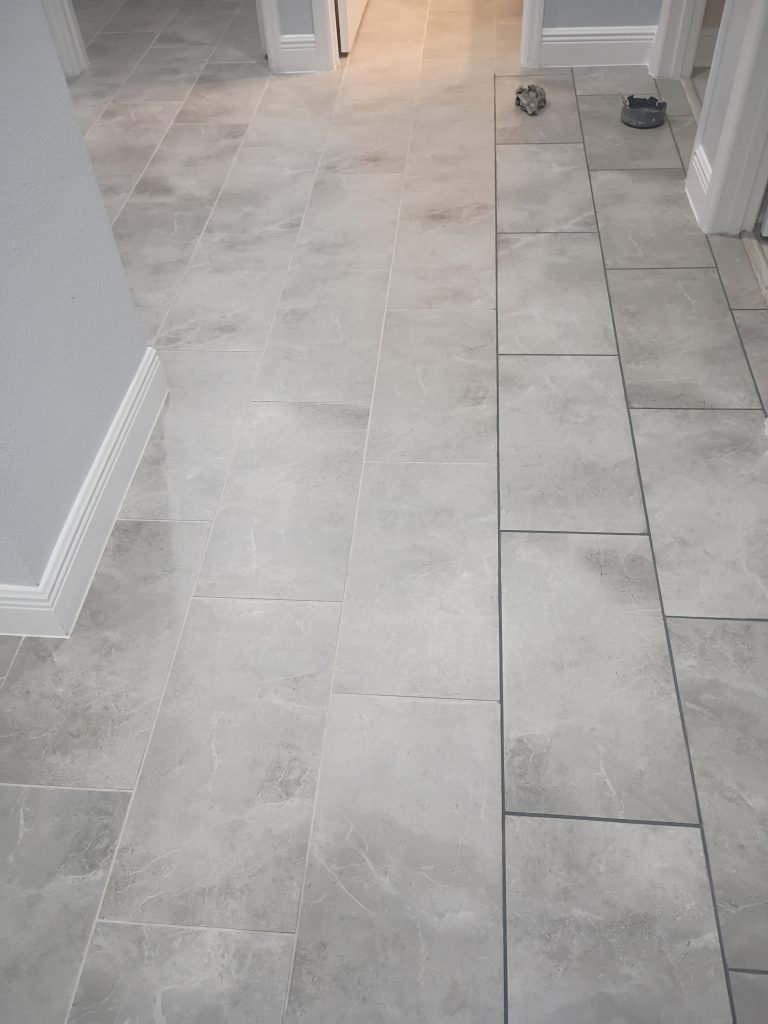
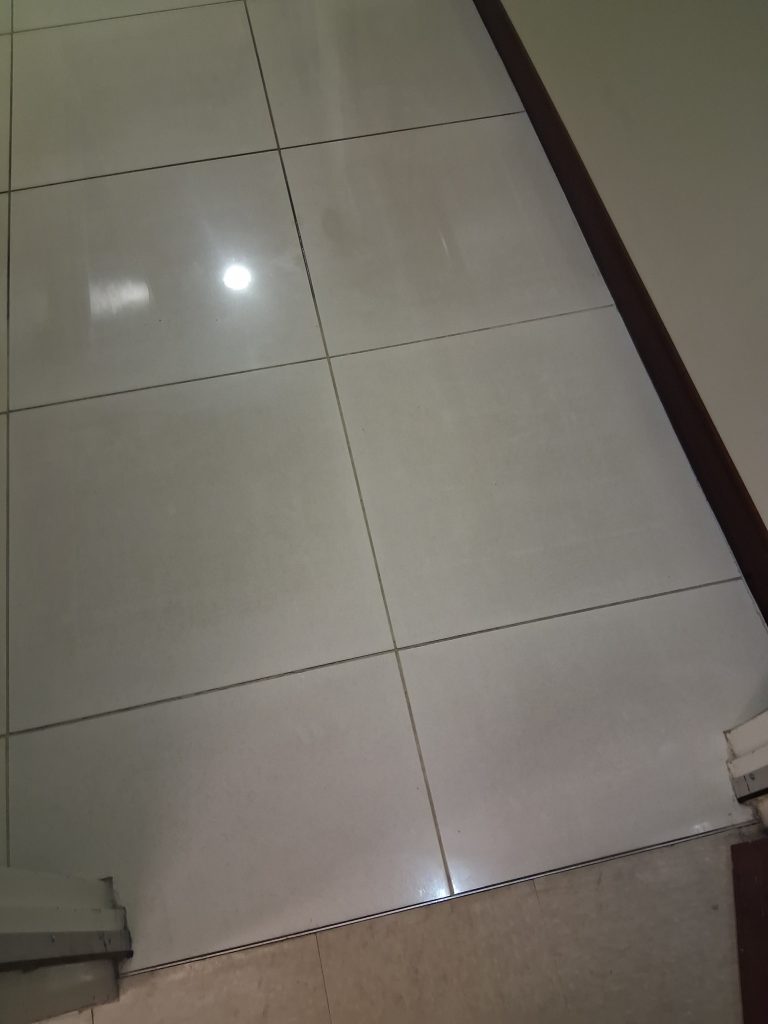
Professional deep cleaning is appropriate when tile still looks dull after routine care, grout remains dark after mopping, or floors feel sticky despite regular cleaning. It is also helpful before a grand opening, inspection, tenant turnover, special event, or scheduled maintenance reset.
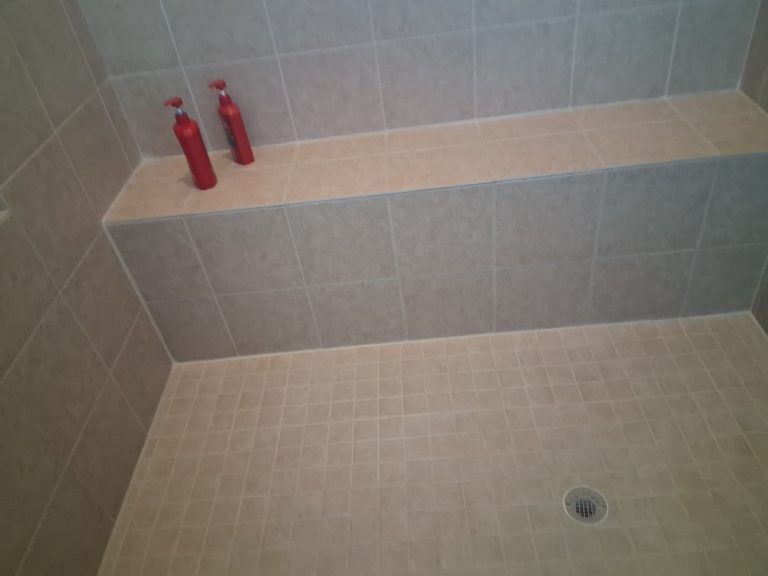
A professional process begins by identifying the surface. Ceramic and porcelain tile can often tolerate stronger cleaning approaches than natural stone, travertine, or specialty finishes. Textured tile may need extra agitation because soil settles into its surface. Shower and restroom tile may require treatment for soap scum and hard-water minerals, while kitchen and restaurant floors need degreasing that is safe for the material.
At Dream Clean Orlando, commercial tile and grout cleaning uses industrial-grade solutions, specialized tools, high-pressure cleaning, and truck-mounted steam extraction where appropriate. The goal is to loosen embedded grime, flush the grout lines, and remove the dirty water from the floor rather than leaving it behind. This process can make a dramatic difference in areas that have been mopped for years but never truly deep cleaned.
Heat, pressure, and extraction must be used with judgment. Excessive pressure can damage weak grout, force water where it does not belong, or create issues around loose tile. Natural stone and damaged grout require a more careful approach. That is why surface testing and material knowledge matter before beginning any aggressive cleaning method.
Protecting Grout After Cleaning
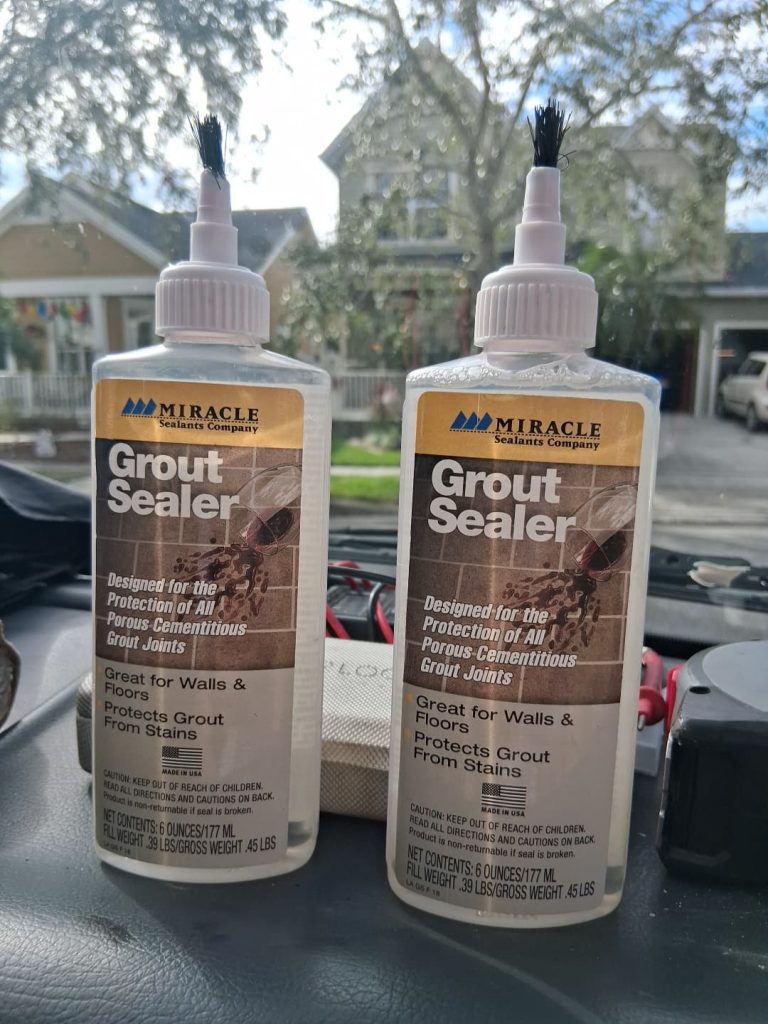
Deep cleaning restores the floor, but sealing helps preserve the result. A quality grout sealer reduces the amount of moisture, dirt, and spills that can absorb into grout lines. It does not make a floor maintenance-free, but it can make daily cleaning easier and help grout stay cleaner longer.
Color sealing can be a smart option when grout is permanently stained, unevenly discolored, or difficult to restore to a consistent appearance. Unlike a standard clear sealer, color sealers refresh the grout’s color while adding a protective barrier. This can be a practical alternative to regrouting a large commercial area, particularly when the tile itself is still in good condition.
The best choice depends on the condition of the grout, the amount of foot traffic, moisture exposure, and the facility’s appearance goals. A restaurant kitchen, lobby restroom, and apartment clubhouse may all need different maintenance schedules even if they have similar tile.
Build a Schedule Around Traffic, Not Guesswork
A good commercial floor plan separates daily upkeep from periodic restoration. Daily cleaning handles loose dirt and spills. Weekly or monthly attention can focus on problem zones such as entrances, restrooms, break rooms, and service counters. Periodic professional extraction removes the buildup that routine equipment cannot reach.
Watch for signs that the schedule needs adjustment: grout darkening quickly, recurring odors, slippery areas, dull traffic paths, or customer complaints about restroom appearance. These are often signals that the floor is being maintained on the surface but not cleaned deeply enough.
For many Orlando businesses, quarterly or semiannual professional service works well in high-use areas. Lower-traffic offices may require less frequent deep cleaning. The right interval is based on actual wear, not a one-size-fits-all calendar.
Keep Safety and Appearance Working Together
Commercial floor care is not only about bright tile. It is about protecting employees, customers, tenants, and the investment in the property. Post wet-floor signs during cleaning, use products suited to the surface, and make sure floors dry properly before normal traffic resumes. If grout is cracked, missing, or loose, repair should come before sealing.
A clean floor communicates care before anyone says a word. When tile is restored, grout is protected, and the maintenance plan fits the building’s real traffic, the result is easier upkeep and a more welcoming space. If routine mopping is no longer changing the look of your floors, a professional inspection can help you decide whether deep extraction, grout repair, or protective sealing is the next practical step.