
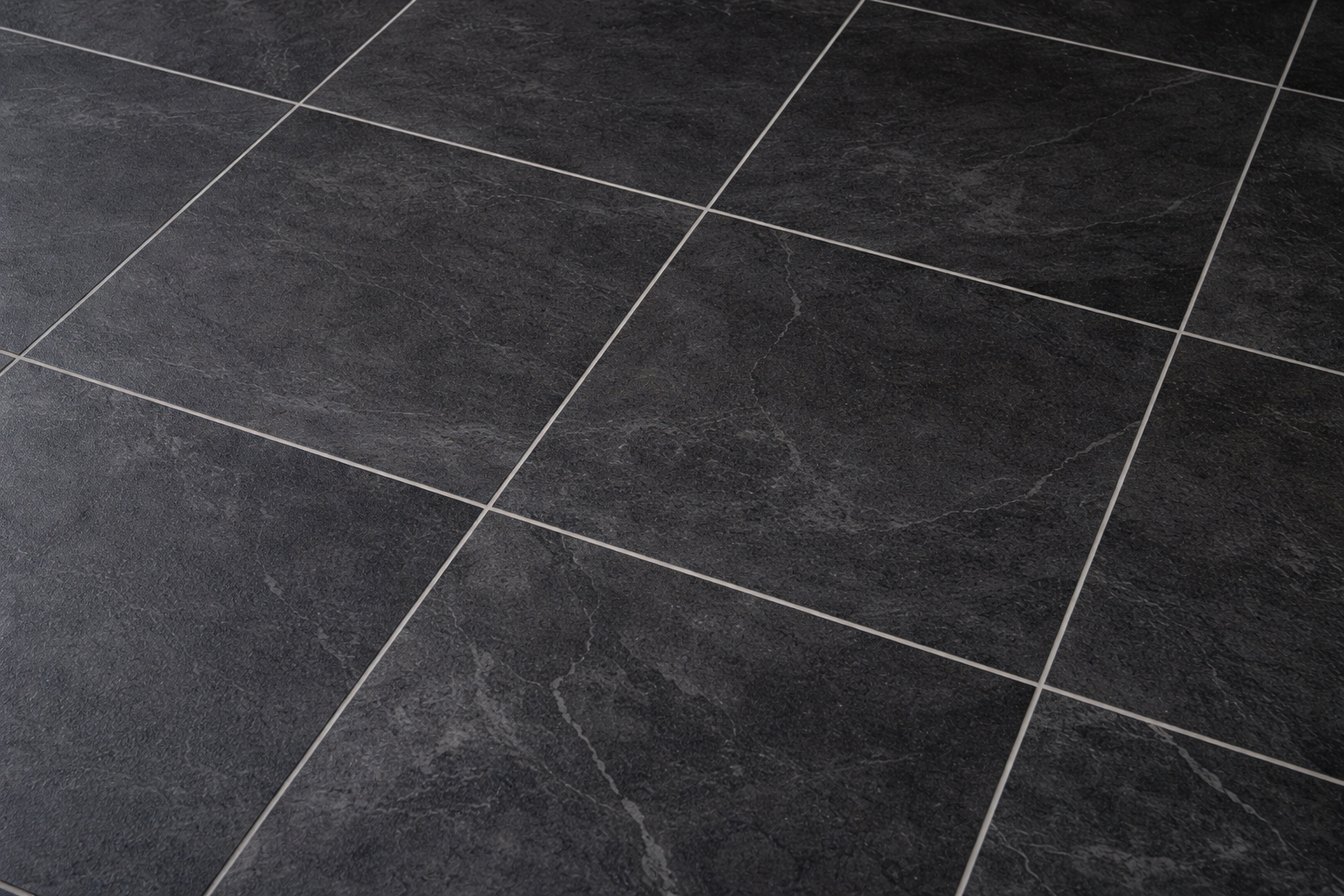
Grout Color Seal Versus Replacement: Which Works?
A floor can be scrubbed, mopped, and still look worn out because the grout lines stay dark, blotchy, or permanently discolored. When that happens, the choice often comes down to grout color seal versus replacement. For many Central Florida homes and businesses, professional cleaning and color sealing can restore the look of the tile without the cost, mess, and downtime of tearing out grout.
The right answer depends on what is happening below the surface. Stained grout is not always failed grout. On the other hand, loose, cracked, missing, or water-damaged grout should not be covered up with a cosmetic fix. A careful inspection helps protect your floors and your budget.
What grout color sealing actually does
Grout color sealing is a restoration service, not ordinary cleaning. First, the tile and grout need a deep professional cleaning to remove embedded soil, grease, soap residue, hard-water minerals, and buildup that routine mopping leaves behind. Once the grout is clean and properly prepared, a colored sealer is applied to the grout lines.
The sealer creates a consistent color across the floor or shower while adding a protective barrier. It can cover stubborn discoloration, correct uneven grout color, and make future cleanup easier. Homeowners often choose a color close to the original grout, but changing from a light grout to a medium or darker shade can also make a busy kitchen, entryway, or commercial walkway easier to maintain.
Color sealing works best when grout is still firmly in place. The grout may look rough or deeply stained, but if it is structurally sound, it can often be restored rather than removed.
Benefits for high-traffic tile
In Orlando-area homes, grout sees a lot of moisture, sand, spills, pet traffic, and daily wear. Kitchens collect cooking oils and tracked-in dirt. Bathroom grout absorbs soap film, body oils, and hard-water deposits. Commercial floors may see constant foot traffic that turns light grout dark quickly.
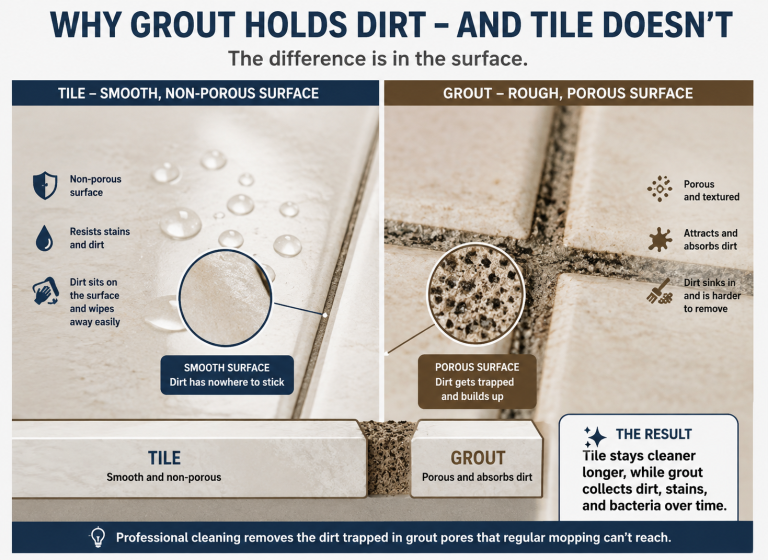
A professionally applied color sealer helps close the porous surface of the grout. That does not make a floor maintenance-free, but it can reduce how quickly soil and spills soak in. The result is often a more uniform, cleaner-looking floor that responds better to normal maintenance.
Color sealing also avoids the demolition involved with replacement. There is no need to remove otherwise good tile just because the grout makes the room look dated or dirty.
When grout replacement is the better choice
Grout replacement is necessary when the material has failed, not just changed color. Grout is part of the tile system. It fills joints, supports the tile edges, and helps keep debris and moisture out of the spaces between tiles. If it is breaking down, cleaning and sealing alone will not correct the problem.
Signs that replacement or grout repair may be needed include grout that is cracking, crumbling, missing, soft, loose, or separating from the tile. Repeated cracks in the same area may also point to movement beneath the tile, which needs to be evaluated before new grout is installed.
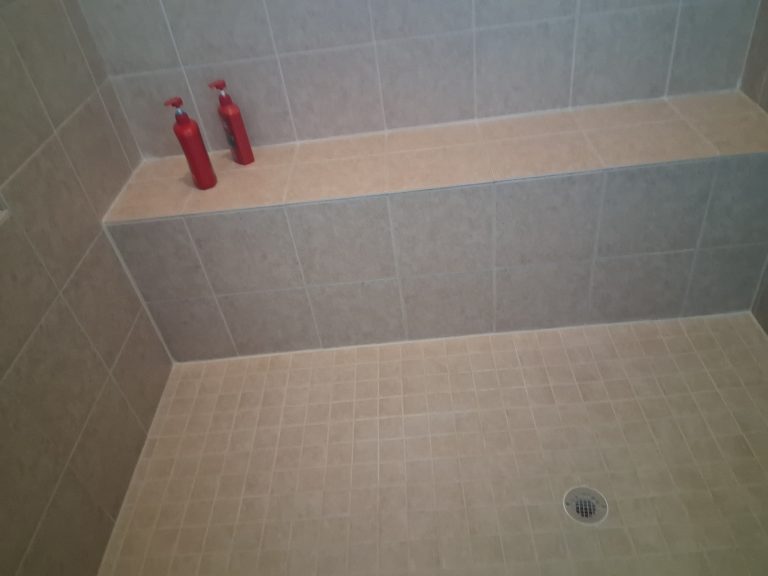
In showers, missing or deteriorated grout deserves prompt attention. Water can travel behind tile through open joints, potentially affecting the wall system or subfloor. Regrouting a shower may be the right step, but it should be paired with an honest assessment of caulk joints, tile condition, and any signs of moisture damage.
Replacement has more disruption
Replacing grout involves mechanically removing the old material from the joints, cleaning out debris, applying new grout, and allowing it to cure. This process can be more labor-intensive than color sealing, especially on large floors, textured tile, narrow joints, or detailed shower walls.
There is also a practical risk: aggressive removal around older or fragile tile can chip edges if the work is not done carefully. A qualified professional uses the right tools and approach to limit that risk, but replacement is still a more invasive service than restoration.
For grout that is truly failing, the extra work is worthwhile. For grout that is simply stained, it can be unnecessary expense.
Grout color seal versus replacement: the key differences
The clearest difference is purpose. Color sealing is designed to restore and protect existing, sound grout. Replacement is designed to correct damaged or missing grout.
Cost is another major factor. Color sealing is often more affordable than full grout removal and reinstallation because it requires less labor and creates less disruption. The actual price depends on square footage, grout condition, tile type, room layout, and how much preparation is needed. A small bathroom with localized damage may need a targeted repair, while a large commercial floor may benefit from cleaning and color sealing across the entire area.
Appearance matters too. New grout can look clean and fresh, but it may not perfectly match surrounding older grout unless the full area is replaced. Color sealing creates a more consistent finished color because the sealer is applied across the visible grout lines after deep cleaning.
Durability depends on the condition of the grout and the quality of the preparation. A color sealer cannot bond properly over loose grout, residue, moisture, or failing joints. Likewise, brand-new grout needs correct installation and curing before sealing. The best long-term result comes from choosing the method that addresses the actual problem rather than the one that sounds fastest.
How to tell what your tile needs
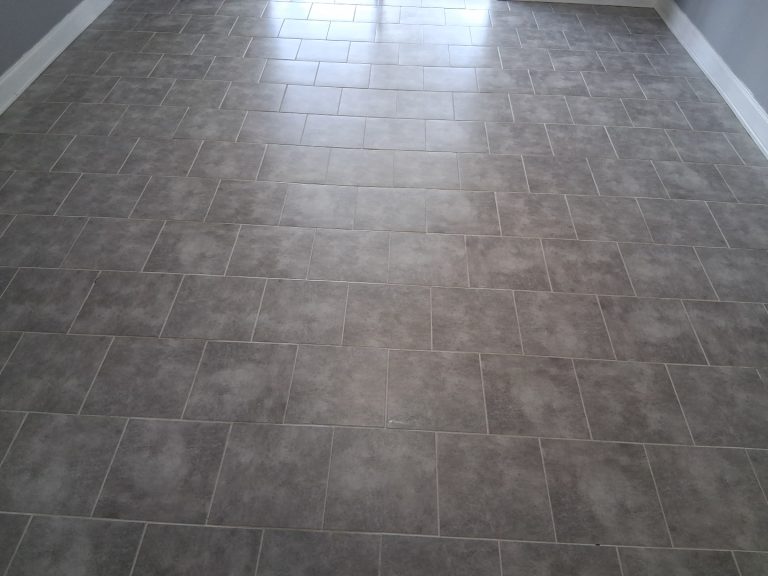
Start by looking past the color. Dark grout lines alone do not automatically mean the grout is ruined. Many floors look permanently dirty because contaminants have settled deep into porous grout over years of mopping. A professional deep cleaning using high-pressure extraction can reveal whether the grout is still in good condition.
Then check for physical damage. Run a finger gently along the grout line. If pieces come loose, joints feel hollow, or there are visible gaps, repair or replacement should be considered. In a shower, look for persistent mildew, cracked grout, failing caulk at corners, loose tiles, or moisture staining outside the shower area.
Tile type also affects the recommendation. Ceramic and porcelain tile are often strong candidates for cleaning and color sealing. Natural stone and travertine require more specialized products and methods because harsh chemicals can damage the surface. Textured tile can hold more soil and may need additional cleaning detail before any sealer is applied.
Why professional preparation makes the difference
Color sealing is only as good as the cleaning beneath it. Applying a sealer over greasy kitchen grout, soap-coated shower grout, or mineral buildup can trap contamination and shorten the life of the finish. This is why a quick wipe-on product from a hardware store rarely produces the same result as a professional restoration process.
At Dream Clean Orlando, the goal is to remove embedded buildup with maximum heat, pressure, and extraction before recommending protection. Truck-mounted steam-cleaning equipment, industrial-grade solutions, grout-line flushing, and controlled extraction help pull soil away rather than spreading it across the tile.
A professional can also identify areas where a mixed approach makes sense. For example, a bathroom floor may need a few grout repairs before color sealing the remaining sound grout. A kitchen may only need deep cleaning and sealing, while a shower with missing joints may require regrouting first. This approach protects the customer from paying for replacement where restoration will do the job, or paying for color sealing where repair is clearly needed.
Maintenance after color sealing or replacement
Whether you color seal or replace grout, maintenance still matters. Use a pH-neutral cleaner that is safe for your tile and grout. Avoid harsh acids, bleach-heavy products, and oily cleaners that can leave residue or damage sensitive surfaces. Clean spills promptly, especially cooking grease, coffee, hair dye, and bathroom products.
Mopping should remove soil, not push dirty water into the grout lines. Change mop water often, use clean microfiber tools when possible, and avoid soaking floors. In showers, regular rinsing and drying can reduce soap residue and moisture buildup.
High-traffic areas may eventually need professional maintenance again. That is normal. The advantage of restored and protected grout is that it is easier to maintain and can keep the entire room looking cleaner between service visits.
If your tile is solid but the grout is dragging down the appearance of the room, do not assume replacement is the only answer. A close inspection and professional cleaning can show whether color sealing can bring the floor back to life, while saving the replacement work for grout that truly needs it.
2 Comments