Natural Cleaners Versus Bleach for Tile and Grout
A bright white grout line can make a bathroom feel newly renovated. A harsh bleach smell, on the other hand, can make the room feel clean even when soap film, hard-water minerals, and embedded soil are still sitting in the grout. When comparing natural cleaners versus bleach, the right choice depends on what is actually making your tile look dirty, what material you are cleaning, and whether the issue is surface-level or deep in the grout.
For Central Florida homes and businesses, humidity adds another complication. Showers stay damp, kitchens collect grease, and entryways bring in fine grit that ordinary mopping tends to push around rather than remove. Natural products and bleach both have a place in some cleaning routines, but neither is a complete answer for every tile and grout problem.
Natural Cleaners Versus Bleach: What Each Does Best
Natural cleaners generally include ingredients such as vinegar, baking soda, hydrogen peroxide, plant-based surfactants, citrus-based degreasers, and mild soap. Their biggest advantage is that many are easier to use around children, pets, and sensitive surfaces when used as directed. They can be effective for fresh spills, light soap residue, routine kitchen grease, and everyday maintenance between deeper cleanings.
Bleach is a disinfecting and whitening chemical. It can lighten organic stains and help address certain mold or mildew concerns on suitable nonporous surfaces. That visual whitening effect is why many people reach for it when grout starts looking dark or discolored.
The problem is that grout is not a smooth, nonporous surface. Most cement-based grout is porous, meaning it absorbs moisture, body oils, soap residue, spills, and cleaning products. Bleach may brighten the top of a grout line, but it does not reliably extract the buildup lodged below the surface. In some cases, repeated bleach use can leave grout dry, chalky, or more vulnerable to wear.
Bleach Is Not a Deep-Cleaning Method
Bleach works by chemical action, not by flushing contamination out of grout pores. If a shower floor has years of soap scum, hard-water deposits, and shampoo residue, the grime often needs to be loosened, agitated, and extracted. Simply applying bleach and rinsing may leave much of that material behind.
There is also a difference between sanitizing and restoring. A disinfectant can reduce certain germs when it is used correctly and left on the surface for the proper contact time. Restoration means removing the dulling residue and embedded soil that makes tile and grout look permanently dirty. Those are related goals, but they are not the same service.
For commercial bathrooms, restaurant floors, apartment turnovers, and busy family homes, relying on bleach alone can create a cycle of temporary brightening followed by fast re-soiling. The grout still holds residue, so the clean appearance does not last as long as it should.
Where Natural Cleaning Products Fall Short
Natural does not automatically mean strong enough for every job. Baking soda is mildly abrasive, which can help with a small spot but may require a lot of scrubbing. Vinegar can cut through some mineral residue, but it is acidic and should not be used on natural stone, travertine, marble, limestone, or other acid-sensitive surfaces. It can etch the finish and leave permanent dull marks.
Hydrogen peroxide may help with some light organic staining in grout, but it is not a dependable fix for deep discoloration, grease, or years of tracked-in dirt. Plant-based cleaners can be excellent for routine maintenance, especially when they are matched to the floor type, but they still need time, agitation, and thorough rinsing to work well.
A natural cleaner is often the better everyday choice for sealed ceramic or porcelain tile, provided it is pH-neutral and made for hard surfaces. It is not always the right choice when grout lines are blackened, floors remain sticky after mopping, or a shower has a thick film that returns quickly.
Never Mix Cleaning Products
The most important safety rule is simple: never mix bleach with vinegar, ammonia, acidic cleaners, or other household chemicals. Dangerous fumes can form quickly. Even switching products without rinsing the surface thoroughly can create unnecessary risk.
Use ventilation, wear gloves when appropriate, and follow the product label. If you are unsure what was used on a floor or shower before, avoid adding another strong chemical until the area has been well rinsed and dried.
Material Matters More Than Most People Think
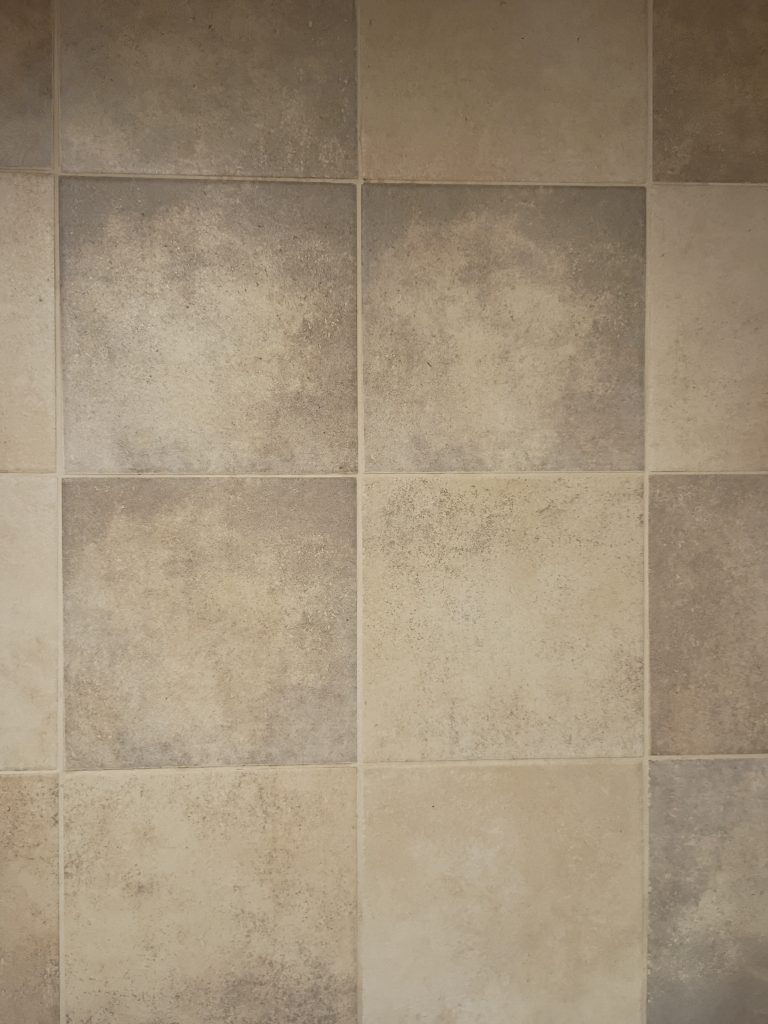
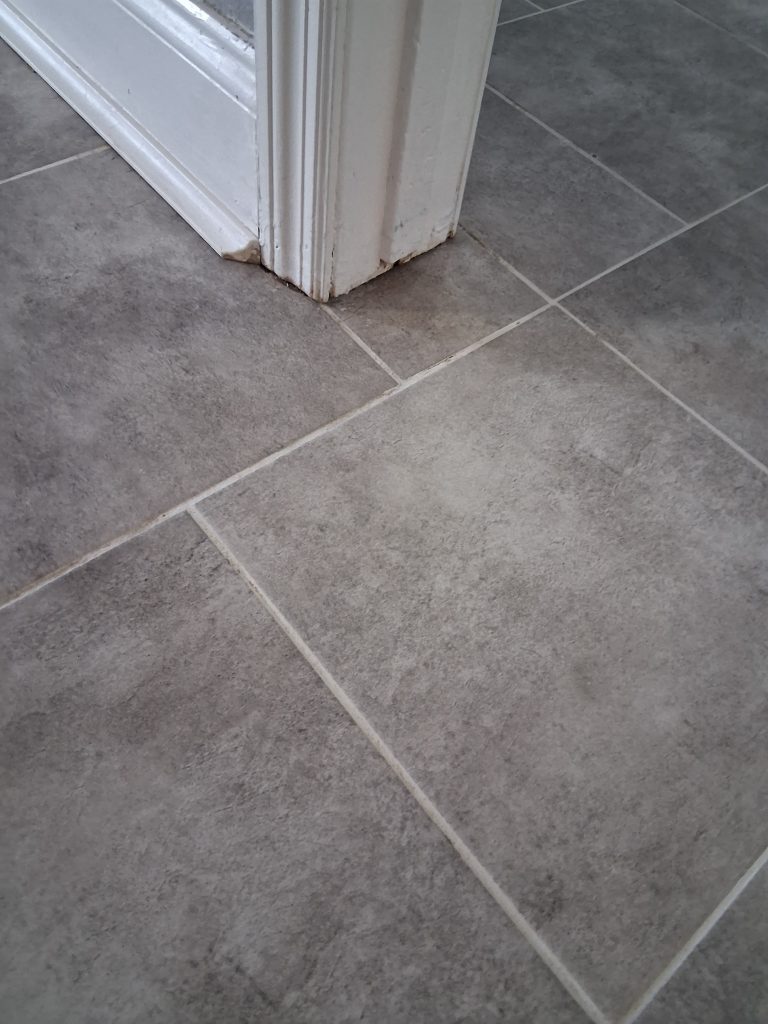
Ceramic and porcelain tile are usually durable, but their grout lines still need careful treatment. Textured tile can trap soil in tiny surface contours, making it look dingy even after frequent mopping. In these cases, the issue is often mechanical: the dirt needs to be lifted out with the right combination of solution, heat, agitation, and extraction.
Natural stone requires more caution. Acidic natural products, bleach, and harsh alkaline degreasers can all cause problems if they are not selected for the specific stone. Travertine, for example, has natural pores and a softer surface than porcelain. The wrong cleaner can change its finish, damage its protective sealer, or leave it looking uneven.
Colored grout also deserves special attention. Strong bleach can fade or alter the color over time. If grout has permanent staining, uneven color, or worn areas, grout color sealing may be a better long-term solution than trying stronger and stronger cleaners. A quality color seal restores a more uniform appearance while adding a protective barrier that makes future maintenance easier.
A Better Approach for Deeply Soiled Tile and Grout
When tile looks dull despite regular cleaning, the answer is rarely more mopping. Mop water can settle into grout lines, especially if it is not changed often, and leave behind a film that attracts more dirt. Store-bought sprays may improve the surface for a day, but they cannot always reach the contamination below it.
Professional tile and grout cleaning uses a more complete process. The surface is evaluated first so the cleaning method fits the material, soil level, and condition of the grout. An appropriate industrial-grade solution is applied to break down oils, soap residue, mineral buildup, and embedded soil. Specialized tools agitate the grout lines and textured areas without treating every floor as if it were the same.
Then, high-pressure hot-water extraction flushes the loosened soil away rather than spreading it across the floor. This is especially valuable in bathrooms, kitchens, entryways, rental properties, and commercial spaces where buildup has accumulated over time. The goal is not to cover discoloration with fragrance or temporarily bleach it lighter. The goal is to remove the material causing the discoloration.
After cleaning, sealing can make a real difference. A penetrating grout sealer helps slow the absorption of moisture and spills. It does not make grout maintenance-free, but it gives homeowners and facility managers more time to clean up messes before stains settle in.
How to Maintain Tile Without Overusing Bleach
A practical maintenance routine is usually gentler than people expect. Sweep or vacuum hard floors regularly so grit does not act like sandpaper. Use a pH-neutral cleaner made for your specific floor material, and avoid soaking grout with excessive water. In showers, use a squeegee after bathing and run the exhaust fan long enough to reduce lingering moisture.
Address spills quickly, particularly cooking oil, coffee, cosmetics, and pet accidents. For a small grout spot, use the mildest effective cleaner first and a soft brush. Avoid wire brushes and overly aggressive scrubbing, which can wear away grout and create rougher pores that hold more soil.
If you use bleach at all, reserve it for an appropriate, limited purpose on compatible surfaces and use it according to the label. It should not be your regular grout cleaner or your first response to every dark line in a shower.
When It Is Time to Call a Tile and Grout Specialist
Professional help is worthwhile when grout remains dark after cleaning, tile feels sticky or looks hazy, shower corners keep discoloring, or you are preparing a home, rental, office, restaurant, or medical facility for guests and occupants. It is also the safer route for travertine, natural stone, damaged grout, and tile that has been treated with several different chemicals over the years.
Dream Clean Orlando uses professional cleaning solutions, maximum heat, pressure, and extraction to remove the buildup that routine products often leave behind. For floors that need more than a surface refresh, proper restoration and protective sealing can help preserve the tile you already own instead of replacing it early.
A clean floor should look better and be easier to maintain afterward. If your grout has reached the point where natural cleaners and bleach only provide short-lived results, a professional assessment can give you a safer, more durable path back to clean.