
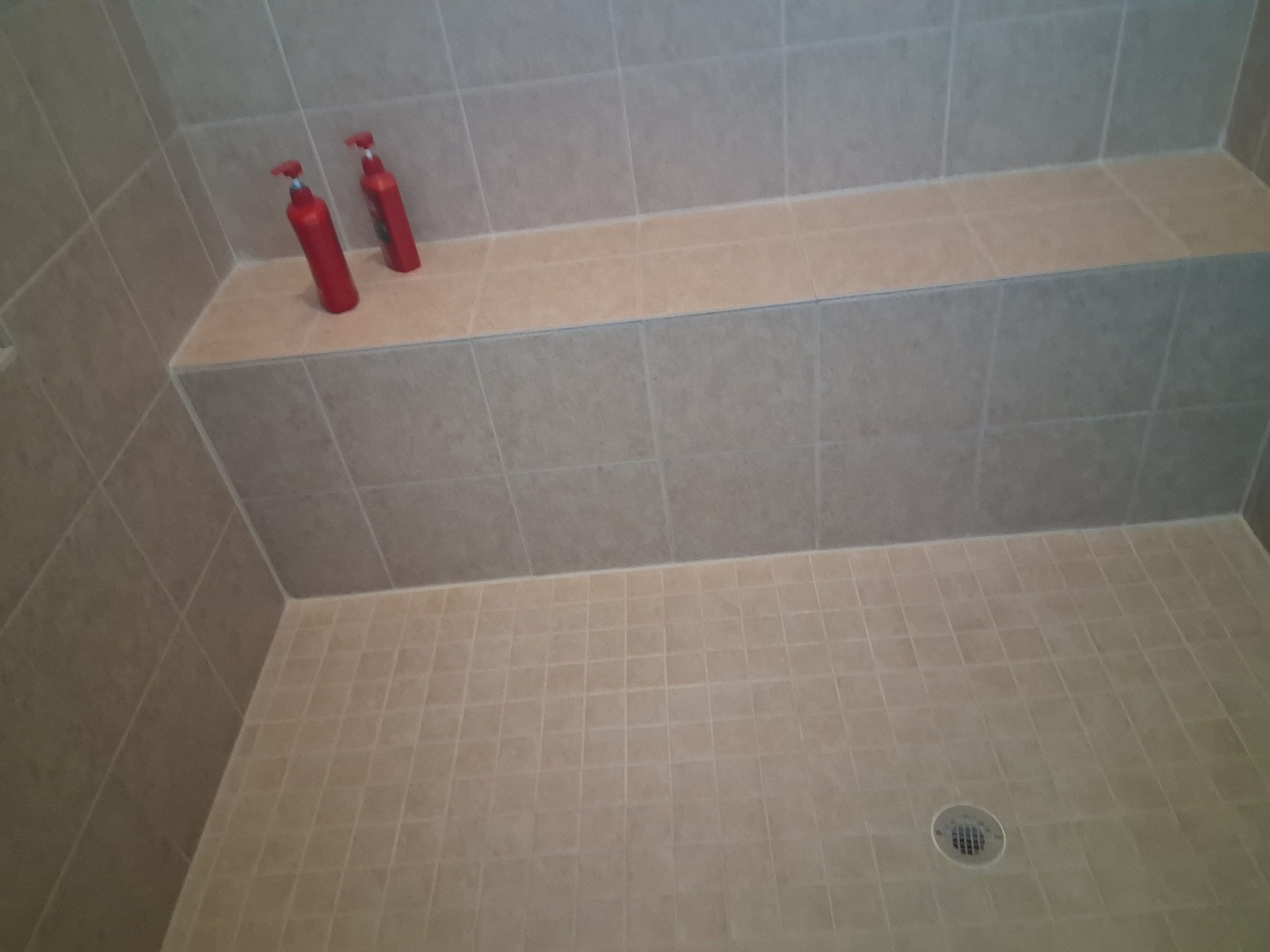
How to Remove Hard Water Stains From Tile
That cloudy white film around a shower drain, along the waterline of a backsplash, or across bathroom floor tile is not ordinary dirt. To remove hard water stains tile safely, you need to deal with the mineral deposits left behind after water evaporates – without scratching the finish, weakening grout, or damaging natural stone.
Central Florida water often carries minerals such as calcium and magnesium. Over time, those minerals bond to tile, glass, faucets, and grout lines. Regular mopping may make the floor smell fresh, but it usually will not break down a hardened mineral layer. In showers, soap residue and body oils can lock the deposits in place, leaving tile dull even after repeated cleaning.
Why Hard Water Stains Keep Coming Back
Hard water stains are a surface problem at first, but they become more stubborn when they are allowed to build up. Every shower, splash, and wet mop leaves a small amount of dissolved mineral behind. As the water dries, the minerals remain. In high-moisture areas, that process repeats daily.
Grout makes the problem more noticeable. Unlike glazed ceramic or porcelain tile, grout is porous unless it has been properly sealed. It can absorb minerals, soap residue, and soil from bare feet or kitchen traffic. What looks like a simple white stain on the surface may actually be discoloration sitting below the top of the grout line.
The right cleaning approach depends on the tile material and the source of the buildup. A shower wall with calcium deposits calls for different care than a travertine floor, textured porcelain entryway, or commercial restroom tile. Using the wrong product can turn a cleaning issue into permanent etching or discoloration.
How to Remove Hard Water Stains From Tile Safely
Start with the least aggressive method that fits the surface. The goal is to loosen mineral buildup, not scour it off with abrasive tools.
Identify Your Tile Before Choosing a Cleaner
Glazed ceramic and porcelain tile are generally more resistant to mild acidic cleaners than natural stone. Even then, grout may react differently than the tile around it. Natural stone, including marble, travertine, limestone, and some slate, should not be cleaned with vinegar, lemon juice, or typical acidic bathroom cleaners. Acid can etch the surface, strip its finish, and leave dull spots that require professional restoration.
If you are not sure what material is installed, treat it as a sensitive surface until you know otherwise. Test any cleaner in a small, inconspicuous spot and check the result after the area dries completely.
Use a Mild Solution for Light Buildup
For light hard water haze on ceramic or porcelain tile, use a pH-neutral tile cleaner or a manufacturer-approved hard water product. Apply it according to the label, allow it to dwell for the recommended time, and gently agitate the area with a soft nylon brush or non-scratch pad.
Work in small sections, especially in a shower. Letting products dry on tile can create streaks and may leave more residue behind. Rinse thoroughly with clean water, then dry the tile with a microfiber towel. Drying matters because it stops a fresh layer of minerals from settling as the water evaporates.
For a small patch of mineral buildup on acid-safe glazed tile, a diluted vinegar solution may help, but it should never be the default answer for every tile surface. Keep it away from natural stone, avoid prolonged contact with grout, and rinse it promptly. Vinegar is inexpensive, but it does not remove embedded grime or restore deeply discolored grout.
Avoid Scrapers, Steel Wool, and Harsh Powders
A hard water stain can tempt anyone to reach for the toughest tool in the cabinet. That often causes more trouble than the stain itself. Steel wool can scratch finishes and leave rust-prone fibers behind. Abrasive powders can dull glossy tile. Razor blades can chip tile edges, cut into caulk, and damage shower glass or delicate finishes.
Skip these common shortcuts:
- Mixing bleach and acidic cleaners, which can create dangerous fumes
- Using vinegar or acid-based products on marble, travertine, limestone, or other natural stone
- Scrubbing grout aggressively with wire brushes or highly abrasive pads
- Leaving any cleaner on the surface longer than directed
Bleach may brighten some surface discoloration, but it does not remove the mineral scale causing the problem. It can also dry out or weaken grout when used repeatedly. A cleaner that matches the surface and deposit type is the safer choice.
When Hard Water Is Stuck in the Grout
If tile looks clean but the grout lines remain white, gray, orange, or dark, routine DIY cleaning may have reached its limit. Mineral deposits can combine with soap scum in bathrooms, while kitchen floors may hold grease and tracked-in soil. On older floors, unsealed grout can absorb years of contamination.
Professional tile and grout cleaning is designed for this deeper level of buildup. Rather than simply spreading dirty water across the floor, technicians use commercial-grade solutions to break down residue, followed by high-pressure hot-water extraction to flush grime from grout lines and remove it from the surface. The extraction step is what makes the difference. Loosened soil and minerals need to be pulled away, not left behind to dry back into the pores.
Dream Clean Orlando uses truck-mounted steam-cleaning equipment, controlled pressure, and extraction methods selected for the surface being cleaned. This is especially helpful for textured tile, shower walls, heavily used kitchen floors, rental turnovers, and commercial spaces where mopping has stopped making a visible difference.
Some grout stains are not fully removable because the grout has been permanently discolored, worn down, or previously damaged by harsh chemicals. In those cases, grout color sealing can be a practical alternative to replacement. It creates a uniform color while helping protect grout from future moisture, stains, and soil. Damaged or missing grout may need repair before cleaning and sealing can deliver a lasting result.
Protect Tile After the Stains Are Gone
The best way to keep hard water stains manageable is to reduce the time water sits on the surface. In a shower, use a squeegee or microfiber towel after bathing, especially on glass doors, wall tile, and fixtures. A quick wipe takes less time than trying to remove months of scale later.
For floors, use a clean microfiber mop and a pH-neutral cleaner made for your tile type. Change mop water often. Dirty water can settle into grout lines and make a freshly mopped floor look dull once it dries. Avoid over-wetting grout, particularly around loose tile, damaged caulk, or shower corners.
Sealing is another important layer of protection. A quality grout sealer helps slow down absorption, making routine spills and mineral residue easier to clean. It is not a force field, and it does not eliminate maintenance, but it can significantly improve how well grout holds up in busy bathrooms, kitchens, entryways, and commercial traffic areas.
Water-softening systems can also reduce mineral buildup at the source. They are a larger home investment, so the value depends on your water hardness, household size, and how often hard water affects fixtures, appliances, and tile. Even with softened water, regular drying and proper cleaning are still worthwhile.
Know When to Call a Tile Cleaning Professional
Call for professional help when the tile remains cloudy after proper cleaning, grout looks permanently stained, shower residue returns quickly, or you have natural stone that needs careful treatment. It is also smart to bring in a specialist before listing a home, completing a tenant turnover, opening a commercial space, or replacing tile that may only need restoration.
A trained cleaning team can assess the tile, grout, sealant condition, and buildup before recommending a process. That protects valuable surfaces from trial-and-error cleaning and helps you decide whether deep cleaning, sealing, color sealing, or repair makes the most sense.
A clean tile surface should look like tile again – not like a chalky record of every shower or mop bucket. With the right care and timely professional restoration, hard water does not have to dictate how your floors and bathrooms look.
2 Comments