Tile Sealing Versus Grout Sealing Explained
A floor can look clean after mopping and still have dark grout lines, dull tile, or stubborn buildup that returns quickly. That is where tile sealing versus grout sealing becomes a practical question, not just a cleaning detail. The right protection depends on what your tile is made of, how porous it is, where it is installed, and what the surface has been exposed to over time.
For many Orlando homes and businesses, grout sealing delivers the biggest day-to-day benefit. But certain natural stone and unglazed tile surfaces need sealing too. Knowing the difference helps you protect your flooring without paying for a service that does not fit the material.
Tile Sealing Versus Grout Sealing: The Basic Difference
Tile and grout may sit side by side, but they do not behave the same way. Grout is a cement-based material with tiny pores that readily collect moisture, soil, grease, soap residue, and spills. Tile can be dense and nearly nonporous, or it can be naturally porous and absorbent. That difference determines whether sealing is necessary.
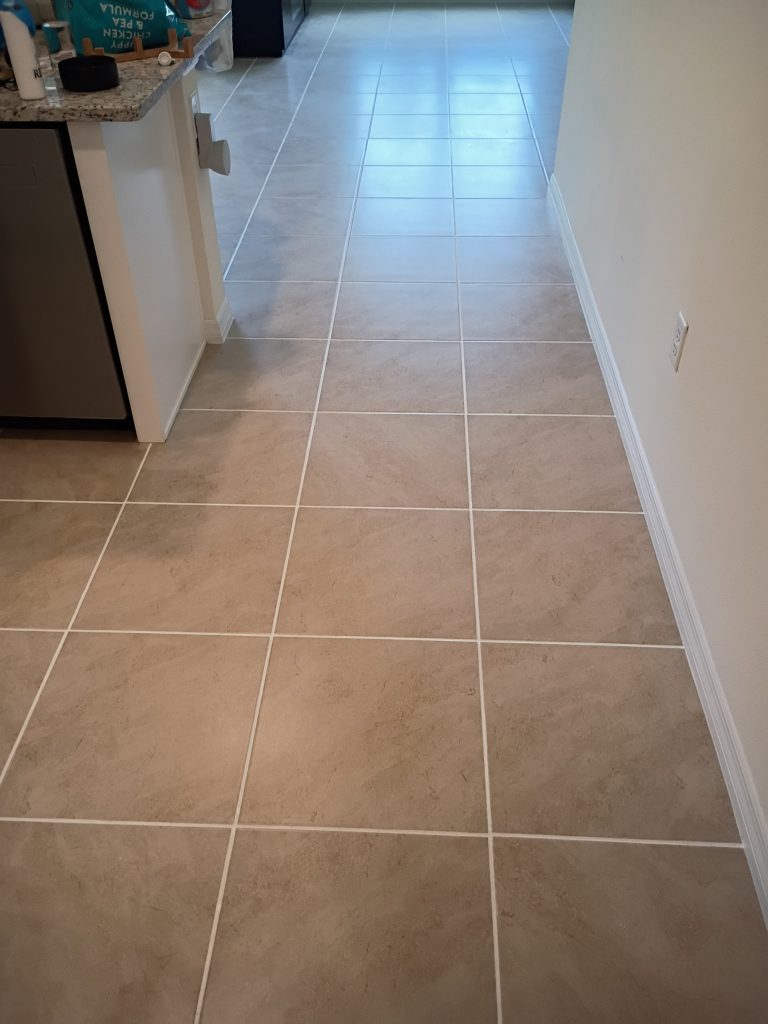
Grout sealing applies a protective sealer to the grout lines after they have been thoroughly cleaned and dried. The sealer slows down absorption, making it harder for dirt and liquids to sink into the grout. It does not make grout maintenance-free, but it gives you more time to wipe up spills and makes routine cleaning more effective.
Tile sealing protects the tile itself when the tile material is porous. Natural stone, travertine, limestone, slate, and some unglazed ceramic or textured tiles can absorb liquids and stains. A properly selected penetrating sealer helps protect the surface while preserving its natural appearance.
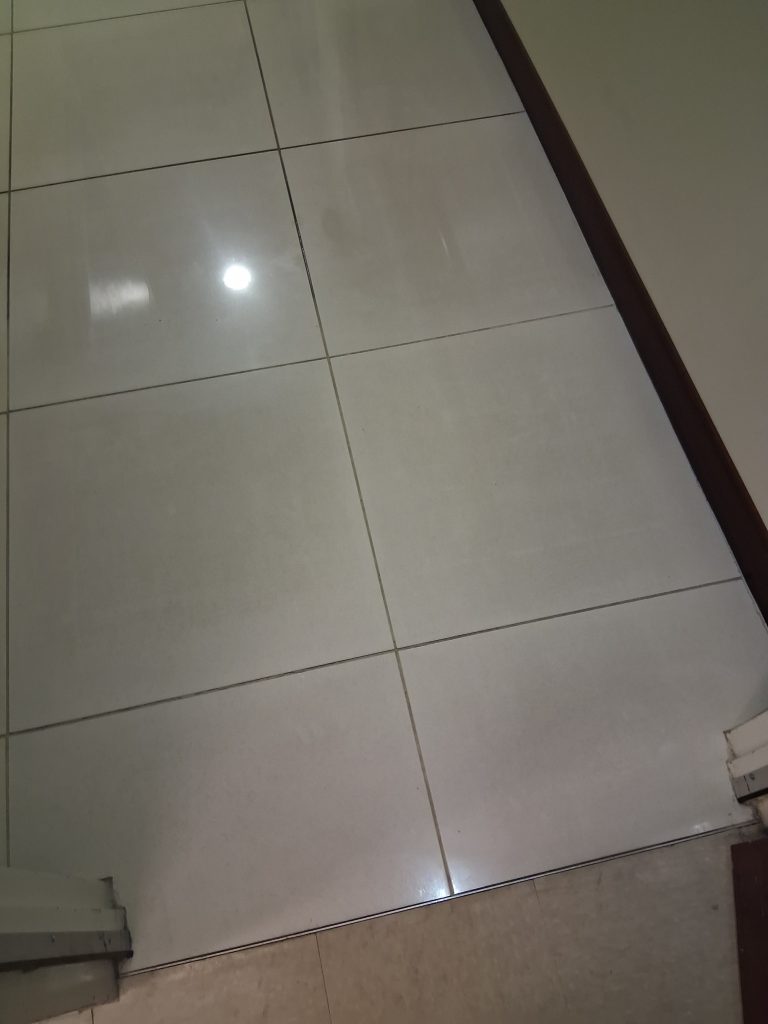
Glazed ceramic and porcelain tile are different. Their finished surface is usually dense enough that sealing the face of each tile is unnecessary. In those cases, the grout lines are typically the part that needs protection.
Why Most Homes Need Grout Sealing First
In kitchens, bathrooms, entryways, and living areas, grout takes the hardest hit. It catches the soil tracked in from outside, absorbs cooking grease near kitchen work areas, and holds soap scum and body oils in showers. Central Florida humidity can add another challenge, especially in bathrooms with limited ventilation.
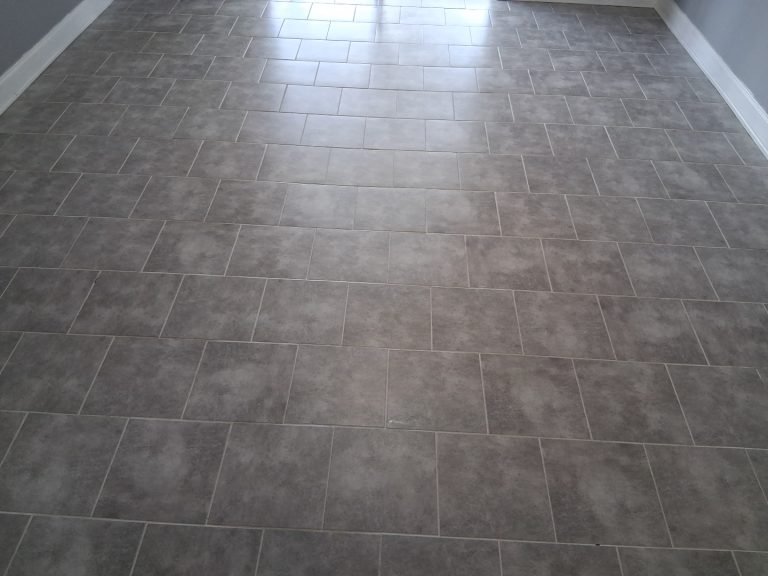
Routine mopping often cleans the top of the floor but does not flush contamination from deep inside grout pores. In fact, a dirty mop or overly wet mop can push soil into grout lines and leave behind residue. That is why grout can look darker than it did when the floor was new, even when it is cleaned regularly.
A professional cleaning should come before any sealer. Applying sealer over embedded dirt can lock in discoloration and prevent the grout from reaching its best possible appearance. Professional high-pressure steam cleaning and extraction remove soil from the grout lines rather than simply spreading it around the tile surface.
After cleaning and proper drying, grout sealer creates a protective barrier that supports easier maintenance. For a busy household, rental property, restaurant, office, or apartment common area, that can mean less visible staining between professional cleanings.
When Tile Sealing Is Worth It
Tile sealing is most valuable when the tile has open pores. Natural stone is the clearest example. Travertine flooring, stone shower walls, slate entries, and limestone surfaces can absorb water, oils, colored liquids, and cleaning products if left unprotected.
A good sealer does not turn natural stone into plastic. It is designed to reduce absorption while allowing the material to remain breathable. This matters because stone and grout can be damaged by trapped moisture, harsh chemicals, and the wrong maintenance routine.
Textured tile can also benefit from professional evaluation. Some textured porcelain and ceramic products are technically dense enough that sealing is not needed, but their surface texture can hold soil and residue. The solution may be deep cleaning rather than tile sealer. Other unglazed clay or ceramic tiles may be more absorbent and should be sealed.
The safest approach is to identify the material before treatment. A professional can inspect the surface, assess water absorption, and recommend protection based on the tile type and its location. A shower floor, for example, faces very different conditions than a covered living-room floor.
Do Not Assume Every Tile Needs Sealer
Sealing a glazed porcelain or ceramic tile face usually provides little benefit. It may also leave haze, streaking, or a slippery feel if the wrong product is used. More product is not better when it comes to floor protection.
The goal is to apply the right sealer in the right place. For many tiled floors, that means sealing clean grout lines while leaving the glazed tile surface alone. For natural stone or unglazed tile, it may mean sealing both the tile and the grout with products suited to that specific material.
Clear Sealer and Color Sealer Are Not the Same
Homeowners sometimes hear “grout sealing” and assume every sealer will restore the original grout color. That is not always the case.
A clear penetrating grout sealer helps resist future staining while allowing the current grout color to remain visible. It is a strong choice when grout is in good condition after cleaning and the goal is protection. Clear sealer is often used for newer floors, lightly stained grout, and grout that has cleaned up well through professional restoration.
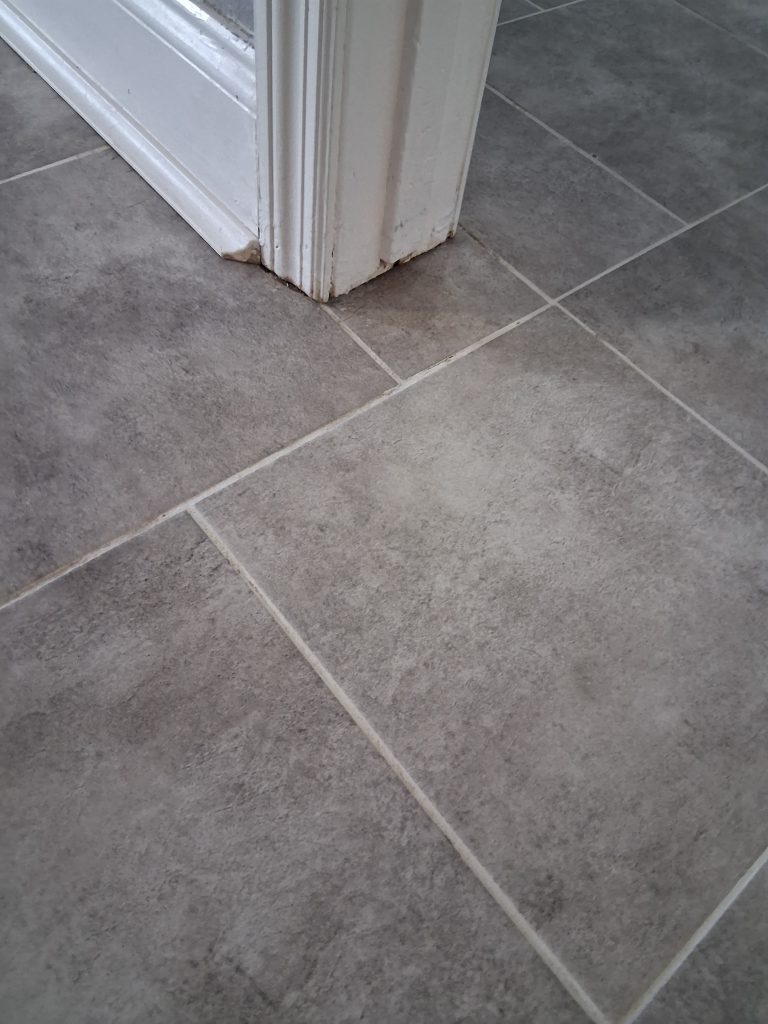
Grout color sealing is a restoration option for grout that remains uneven, permanently stained, or discolored after cleaning. The color seal bonds to the grout surface and creates a consistent color while adding protection. It can make an older floor look dramatically more uniform without the expense and disruption of replacing tile.
Color sealing is not a shortcut for damaged grout. If grout is cracked, missing, loose, or failing around a shower, repairs should be handled first. A quality restoration process addresses the condition of the grout before applying protective color seal.
What Sealing Can and Cannot Do
Sealer is protection, not a cure-all. It can reduce staining, support easier cleaning, and extend the fresh appearance of tile and grout. It cannot repair broken grout, stop an active leak behind a shower wall, remove mineral buildup without cleaning, or eliminate the need for maintenance.
It also cannot overcome harsh cleaning habits. Acidic cleaners, bleach-heavy products, abrasive scrubbers, and oily soaps can gradually damage grout and leave residue on tile. Natural stone is especially sensitive to acidic products, including common bathroom and kitchen cleaners.
For everyday care, use a pH-neutral cleaner that is appropriate for your surface, clean up spills promptly, and avoid saturating the floor with dirty water. In showers, a quick squeegee after use helps reduce soap residue and hard-water buildup. These small habits protect the work that professional cleaning and sealing provide.
How Often Should Tile and Grout Be Sealed?
There is no single schedule that works for every floor. Wear depends on foot traffic, cleaning products, moisture exposure, ventilation, tile material, and whether the space is residential or commercial.
A lightly used guest bathroom may hold up for years after grout sealing. A busy family kitchen, entryway, restaurant floor, or rental unit may need attention sooner. Shower grout often needs closer monitoring because it sees repeated moisture and personal-care product residue.
Instead of relying only on a calendar, watch the surface. If clean water darkens the grout quickly, if spills leave marks more easily than before, or if the floor becomes difficult to maintain despite regular cleaning, it may be time for another professional assessment. Natural stone should also be checked periodically, especially around kitchens, showers, pool areas, and outdoor transitions.
Why Professional Preparation Makes the Difference
The quality of a sealing job starts with cleaning. Grout must be free of embedded soil, detergent residue, grease, and moisture before sealer is applied. Skipping that preparation can lead to blotchy results and less effective protection.
Dream Clean Orlando uses professional-grade cleaning methods to flush grime from grout lines and restore hard surfaces before recommending sealing. That matters because the goal is not to cover up a dirty floor. It is to bring the surface back to a cleaner, more maintainable condition and then protect it appropriately.
Professional service is also useful when material identification is uncertain. A floor that appears to be standard ceramic may actually be travertine, unglazed porcelain, or another surface requiring different cleaning products and sealing methods. Using the wrong chemical or sealer can create a problem that routine cleaning cannot fix.
Protect the Surface You Actually Have
The best choice is not automatically tile sealing or grout sealing. It is a surface-specific plan based on the material, condition, and traffic in your home or facility. Most glazed tile floors benefit most from deep grout cleaning and grout sealing. Natural stone, travertine, unglazed tile, and certain textured surfaces may need protection for both the tile and the grout.
If your floor still looks dirty after mopping, the problem may be below the surface, not in your cleaning effort. A professional inspection can help you choose protection that keeps your tile looking cared for, your grout easier to maintain, and your investment working harder for years to come.