Orlando Tile and Grout Cleaning That Lasts
A tile floor can look clean right after mopping, then dry with the same dark grout lines, dull traffic paths, and sticky-looking corners. That is a common problem in Central Florida homes and businesses. Orlando tile and grout cleaning goes beyond the surface to remove the soil, soap residue, grease, and buildup that ordinary household cleaning leaves behind.
Tile is durable, but grout is porous. Every day, it collects fine dirt from shoes, cooking residue in kitchens, hard-water minerals in bathrooms, and moisture-related buildup in showers. Over time, those contaminants settle below the grout surface. The floor may still be structurally sound, yet it can make an entire room feel worn out.
Why Mopping Is Not Enough for Tile and Grout
Mopping is useful for routine maintenance, but it has limits. A mop spreads cleaning solution across a large area, lifts some loose soil, and often pushes dirty water into the grout lines. When the floor dries, residue can remain behind. Repeated use of the wrong cleaner can also leave a film that makes tile look hazy or attracts more dirt.
Grout presents the bigger challenge. Its cement-based texture has tiny pores that trap contaminants well below the surface. In a busy kitchen, that can mean grease and tracked-in dirt. In a shower, it can mean soap scum, body oils, mildew staining, and mineral deposits. In entryways and hallways, it is usually a combination of outdoor grit and daily foot traffic.
This is why a floor can be mopped regularly and still look permanently dirty. The issue is not always neglect. It is often a matter of using a maintenance method for a restoration-level problem.
What Professional Orlando Tile and Grout Cleaning Does Differently
Professional cleaning is designed to flush contaminants out of the grout rather than simply wipe over them. At Dream Clean Orlando, the process begins by looking at the tile type, grout condition, traffic level, and source of the discoloration. That matters because porcelain kitchen tile, textured entryway tile, travertine, and shower walls do not all require the same approach.
Industrial-grade cleaning solutions are applied to break down the specific soils on the surface. A kitchen floor may need help with oils and food residue, while a bathroom may need treatment for soap film and hard-water buildup. The goal is to use an effective solution without being overly aggressive on the material being cleaned.
Next comes specialized agitation and high-pressure hot-water extraction. Truck-mounted equipment delivers maximum heat, pressure, and extraction to clean deep into the grout lines and pull the dirty water away. Instead of leaving loosened grime on the floor, extraction removes it from the surface.
The difference is often visible immediately. Grout lines can return closer to their original color, tile can look brighter, and the room can feel cleaner without the cost and mess of replacement. Results depend on the age of the grout, prior damage, and the type of staining, but many floors improve far more than homeowners expect.
Cleaning Is Different From Repair or Color Sealing
Deep cleaning can remove embedded soil, but it cannot repair missing grout, cracked grout, or staining that has permanently changed the grout color. When grout is loose, crumbling, or uneven, repair may be the right first step.
For grout that is clean but still discolored, color sealing may be a better restoration option. A color seal creates a consistent grout appearance while adding a protective barrier. It can be especially valuable for older floors, rental properties, and commercial spaces where an even, maintained look matters. The right solution depends on whether the grout needs cleaning, repair, sealing, or a combination of services.
The Areas That Benefit Most From Deep Cleaning
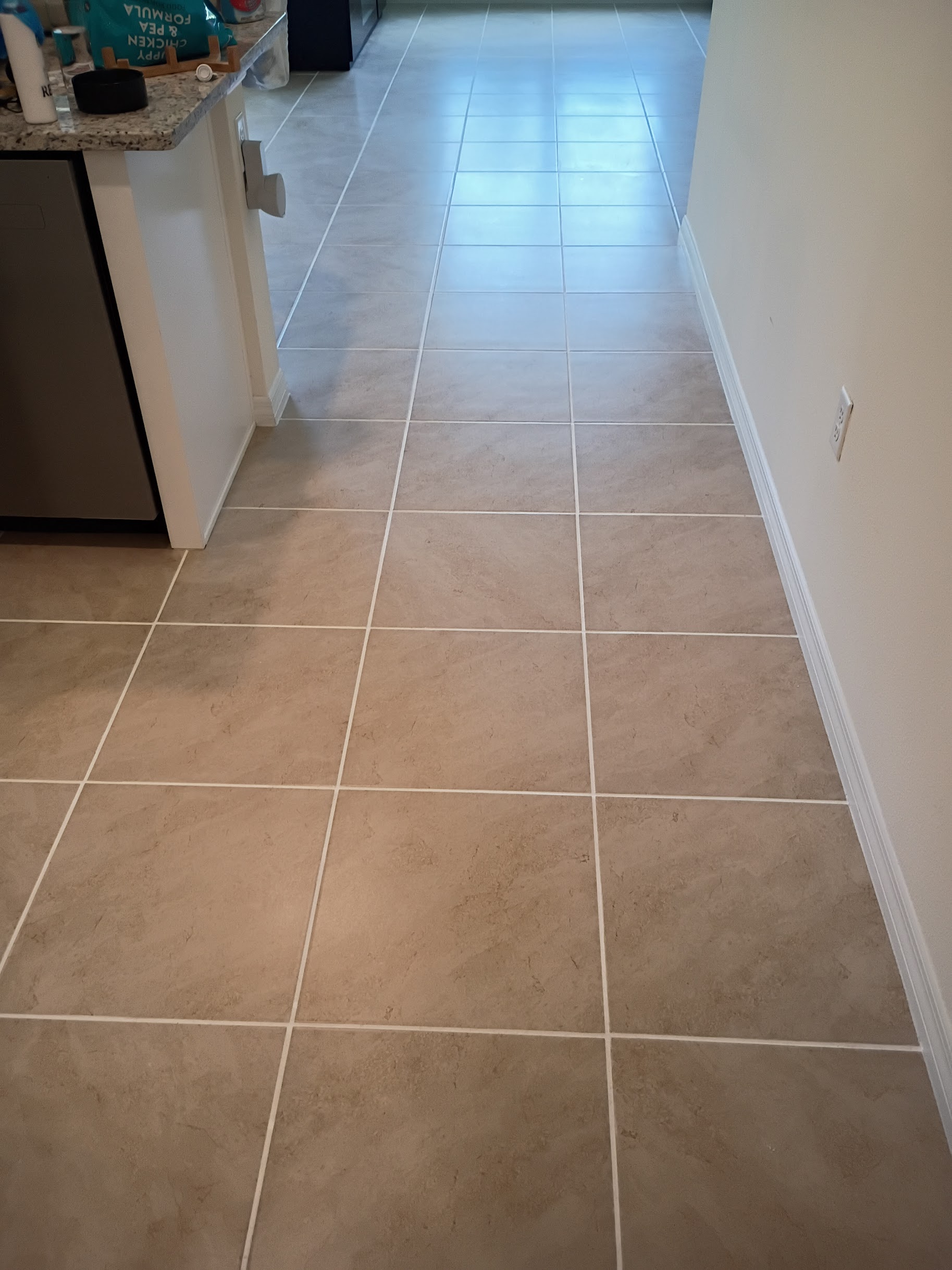
Kitchen floors are usually among the first places homeowners notice grout darkening. Cooking oils can travel farther than expected, and daily foot traffic packs dirt into grout lines near cabinets, islands, and doorways. Even light-colored tile can begin to look dull when the grout around it turns gray or brown.
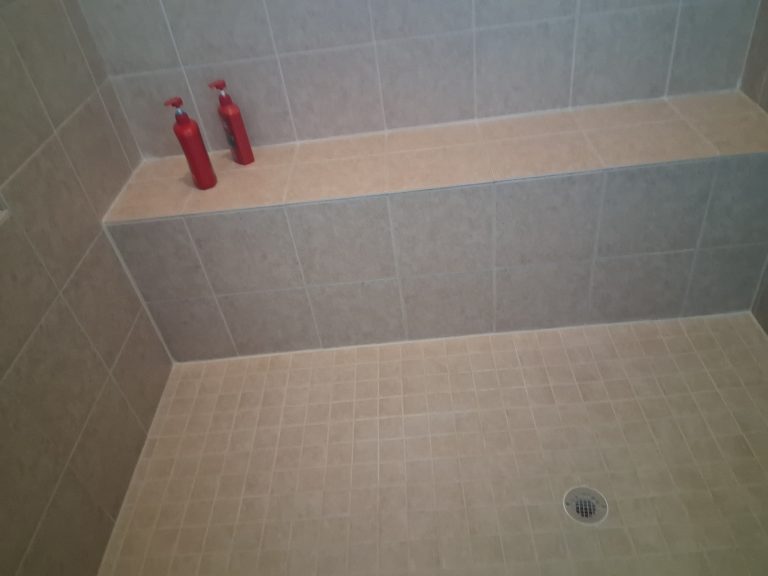
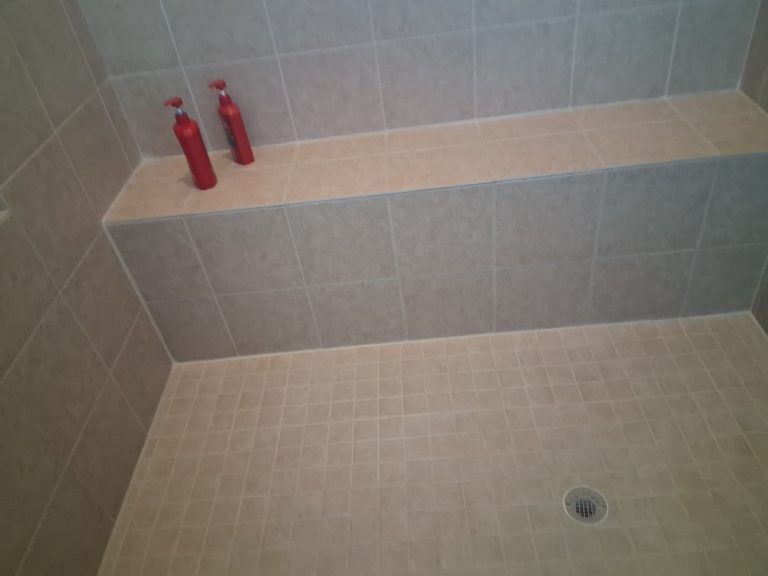
Bathrooms and showers have a different kind of buildup. Soap residue, humidity, and hard water can leave tile feeling rough or looking cloudy. Shower grout may darken in corners and around fixtures where moisture lingers. Regular ventilation and squeegeeing help, but once buildup becomes established, professional cleaning can provide a much stronger reset.
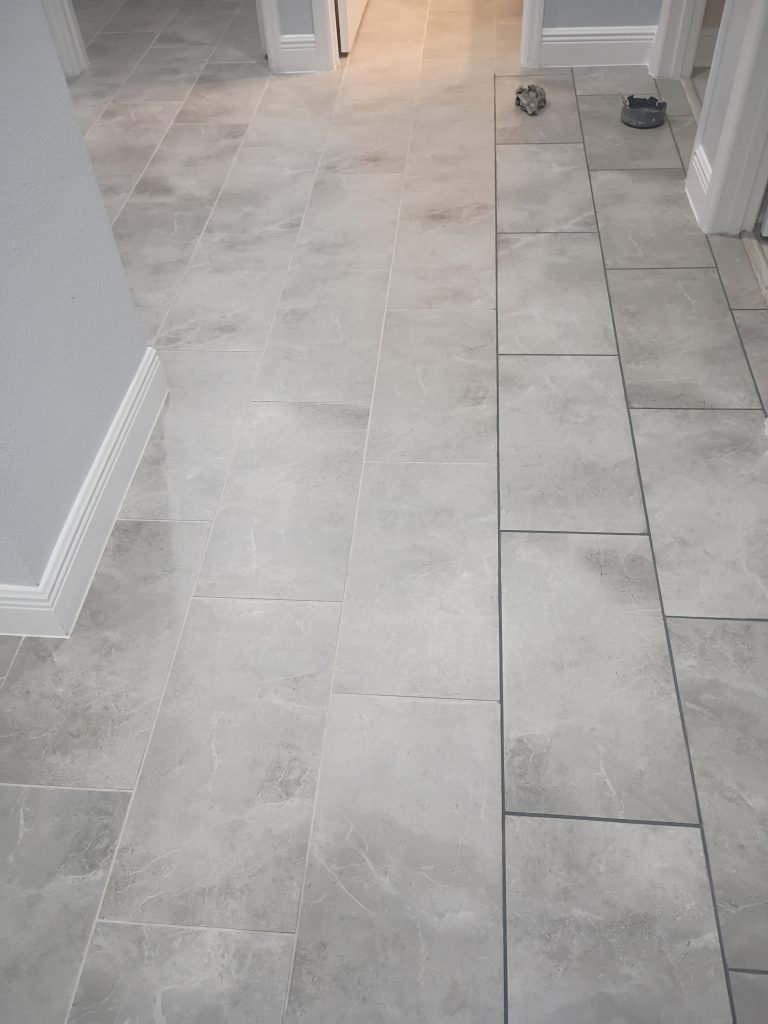
Living areas, hallways, and entryways tend to show traffic patterns. Textured tile is particularly good at holding dirt because its surface has more places for fine particles to settle. These floors need tools that can reach into the texture without damaging the tile finish.
Commercial tile needs the same attention, usually on a more consistent schedule. Restaurants, offices, retail locations, apartment communities, and medical facilities all benefit from clean floors that present well and are easier to maintain. A visibly clean hard surface supports the impression that a property is cared for.
Tile Type Matters More Than Most People Realize
Ceramic and porcelain tile are durable, but not every finish responds the same way to cleaning. Smooth glazed tile is generally straightforward, while textured and matte tile can retain more grime. Natural stone, including travertine, requires additional care because harsh acidic products can etch or damage the surface.
This is one reason do-it-yourself methods can create problems. Strong chemicals may lighten grout unevenly, leave residue, or harm sensitive stone. Abrasive tools can scratch finishes. Steam alone is not a cure-all either. The best results come from matching the cleaning solution, pressure, heat, tools, and extraction method to the surface.
If you are unsure what type of tile you have, a professional assessment is worth it before trying a product that may be difficult to reverse.
Why Grout Sealing Helps Protect the Results
After grout is professionally cleaned, sealing can make ongoing care much easier. A quality grout sealer helps reduce the rate at which spills, moisture, and soil absorb into porous grout. It does not make the floor maintenance-free, but it provides a practical layer of protection.
Sealing is especially useful in kitchens, bathrooms, showers, entryways, and rental properties. In a home with children or pets, it can provide extra reassurance when spills happen. In commercial settings, it helps staff maintain a cleaner appearance between scheduled professional services.
The timing depends on the condition of the grout and how the area is used. High-traffic floors and wet areas usually need attention sooner than a low-traffic guest bathroom. A good cleaning provider should explain what protection makes sense for your floor rather than treating every surface exactly the same.
How to Keep Tile Cleaner Between Appointments
The best maintenance plan is simple enough to follow. Sweep or vacuum grit regularly, especially near exterior doors. Use a neutral cleaner made for your tile type, and avoid leaving mop water on the floor. For showers, reducing standing moisture after use can slow down soap and mineral buildup.
Avoid treating dark grout as a reason to keep adding stronger cleaners. If the floor still looks dirty after repeated mopping, more product may only add residue. At that point, professional extraction is often the more efficient and safer choice.
For landlords and property managers, it can be helpful to schedule cleaning between tenants or before a listing goes live. Restored tile and grout can make kitchens, bathrooms, and common areas look substantially better without replacing otherwise functional flooring.
When It Is Time to Schedule Service
Consider professional tile and grout cleaning when your grout has darkened despite regular cleaning, your shower has persistent soap or hard-water buildup, or your tile no longer looks as bright as it should. It is also a smart step before hosting guests, listing a home, moving into a property, or reopening a commercial area after heavy use.
A licensed and insured local specialist can assess the surface, explain realistic results, and recommend cleaning, sealing, color sealing, or grout repair based on what the floor actually needs. Honest guidance matters because not every stain can be cleaned away, but many tired-looking surfaces can be restored.
Clean tile changes how a room feels underfoot and how it looks in everyday light. If your floors are sound but no longer look their best, a professional cleaning can be the practical next step toward a healthier, brighter space that is easier to maintain.