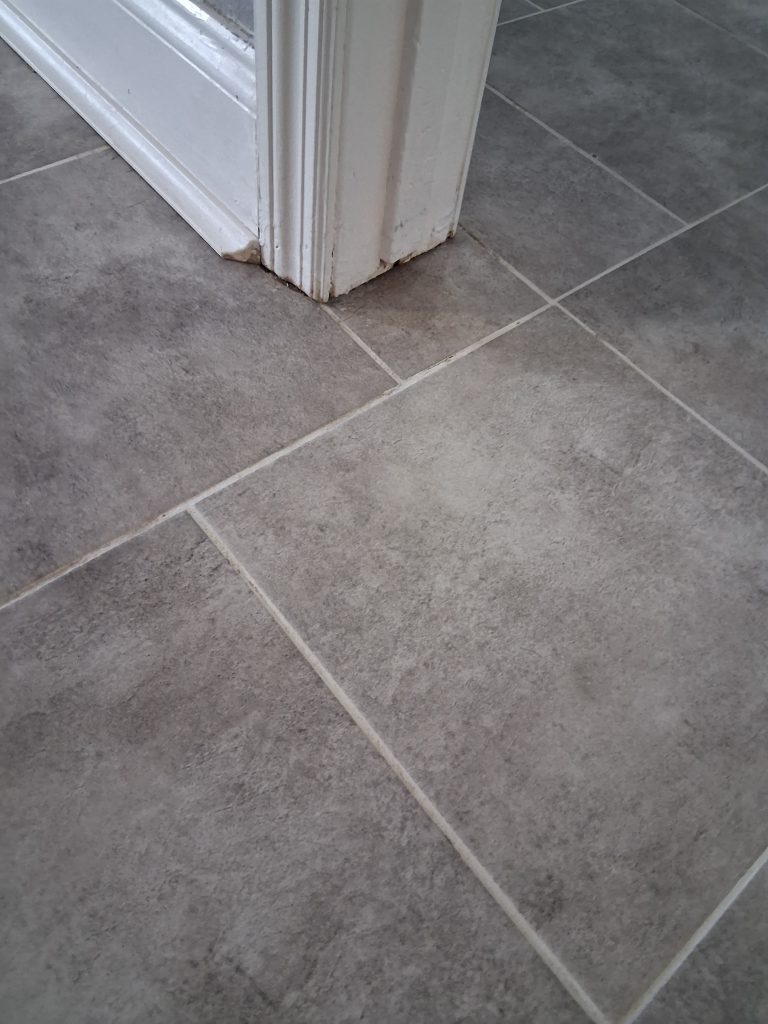

Tile and Grout Cleaning Orlando Homeowners Trust
A white tile floor can look clean right after you mop it, yet the grout lines still tell a different story. In Orlando homes, grout often turns gray, brown, yellow, or blotchy long before the tile itself looks dirty. That is why tile and grout cleaning Orlando homeowners rely on is about more than making a floor shine. It removes the buildup trapped below the surface of porous grout, where a mop simply cannot reach.
Florida’s heat, humidity, frequent rain, sandy shoes, and hard-water residue all make grout discoloration more common. Kitchens, showers, entryways, lanais, and bathroom floors each collect a slightly different mix of soil. Knowing what caused the problem helps you choose the safest way to clean it – and recognize when professional cleaning will deliver a better result than another weekend of scrubbing.
Why Orlando Grout Gets Dark, Yellow, or Stained
Grout is a cement-based material with tiny pores. Those pores absorb moisture, fine dirt, cooking residue, soap film, body oils, and spills. On a busy kitchen floor, the culprit may be grease mixed with tracked-in soil. Near a sliding door or lanai, it is often damp sand and outdoor grime. In bathrooms, soap residue, mineral deposits, and moisture are usually the bigger issues.
Orlando’s humidity adds another layer to the problem. Grout that stays damp after showers or mopping dries slowly, especially in bathrooms with limited ventilation. That can encourage mildew growth, particularly in shower corners, along caulk lines, and on lower wall tile. What looks like ordinary dark grout may actually be a combination of embedded dirt, soap film, and mildew staining.
Yellowing is different. It can come from hard water, aging sealers, cleaning products that leave residue, or discoloration from certain spills. Bleach and harsh acids may seem like an easy fix, but repeated use can weaken grout, fade colored grout unevenly, or damage nearby natural stone and metal fixtures.
What Routine Mopping Can and Cannot Do
Mopping is useful for daily maintenance. It picks up loose debris and helps limit surface grime before it gets ground into the floor. But a dirty mop head or too much water can also push soil into grout lines. That is why a floor may look better for an hour, then dry with the same dark grout lines still visible.
For routine care, vacuum or sweep first, then use a neutral-pH floor cleaner with minimal water. Change the cleaning solution when it gets cloudy, and avoid leaving puddles behind. This approach is especially helpful on ceramic and porcelain tile floors, which are durable but still depend on clean grout to look their best.
Routine mopping cannot remove years of compacted soil from porous grout. It also will not reliably correct deep staining, old soap scale, or discoloration beneath a failing sealer. The trade-off is simple: gentle maintenance protects the surface, while restoration-level cleaning requires more targeted equipment and methods.
DIY Grout Cleaning: What Usually Works
For a small, recent stain on ceramic or porcelain tile, start with the mildest method. A neutral-pH tile cleaner and a nylon grout brush are often enough when the buildup is light. Work in a small section, give the cleaner time to loosen soil according to its directions, scrub gently, and rinse thoroughly with clean water.
A paste of baking soda and water can help with minor surface grime, but it is not a miracle solution for deeply stained grout. It works through mild abrasion, so heavy scrubbing can wear down weak or already damaged grout. Vinegar is commonly recommended online, but it is not a good all-purpose choice. Its acidity can etch natural stone such as travertine, marble, and limestone, and repeated exposure may deteriorate cement-based grout.
Skip wire brushes, highly abrasive powders, and mixing household chemicals. Never mix bleach with ammonia, vinegar, or other cleaners. Strong chlorine products may lighten mildew staining temporarily, but they are not always effective on embedded dirt and can create fumes in enclosed bathrooms.
If you are unsure what kind of tile you have, test any product in an inconspicuous area first. Natural stone, glazed ceramic, porcelain, textured tile, and older grout all respond differently. A cleaning method that is safe for one surface can create permanent damage on another.
When Professional Tile and Grout Cleaning in Orlando Makes Sense
Professional service is worth considering when the grout stays dark after careful cleaning, the floor has uneven traffic patterns, or a shower has recurring buildup. It is also a practical option before listing a home, after a tenant turnover, or when an Airbnb or commercial property needs to look ready quickly.
A qualified tile cleaner should inspect the tile and grout before choosing a solution. The right process depends on the material, the type of stain, the condition of the grout, and whether there is existing sealer or coating. For many ceramic and porcelain floors, professional equipment combines controlled cleaning solution, agitation, high-pressure rinsing, and extraction to flush grime out of grout lines rather than spreading it across the tile.
That extraction step matters. The goal is not just to loosen dirt, but to remove it from the floor. When the cleaning water and soil are recovered properly, grout lines can look dramatically brighter and the tile surface is left with far less residue.
At Dream Clean Orlando, the focus is on honest recommendations, not forcing every floor into the same treatment. Some grout can be restored close to its original color. Other grout may have permanent staining, cracking, missing sections, or discoloration that calls for repair, recoloring, or replacement instead of more aggressive cleaning.
Mold, Mildew, and Shower Grout: Know the Difference
A few dark spots on shower grout do not automatically mean there is a major mold problem behind the wall. Surface mildew is common in humid bathrooms and often appears where water lingers: grout joints, corners, silicone caulk, and the area around shower doors.
Still, recurring dark growth deserves attention. Clean visible residue safely, improve ventilation, and dry shower surfaces after use when possible. If the grout is crumbling, the caulk is separated, tile feels loose, or there is a persistent musty odor, cleaning alone may not solve the issue. Those signs can point to water getting behind the tile, and a qualified repair professional should assess it.
Professional tile cleaning can remove surface buildup and improve the appearance of shower tile, but it is not a substitute for fixing leaks, failed caulk, or damaged waterproofing. A straightforward assessment is more valuable than a quick cosmetic fix that leaves the underlying moisture problem in place.
Should You Seal Grout After Cleaning?
Grout sealing is often a smart next step after deep cleaning, particularly on cement-based grout in kitchens, bathrooms, entryways, and other active areas. A penetrating sealer helps reduce how quickly grout absorbs moisture and spills. It does not make grout stain-proof, and it does not eliminate regular cleaning, but it can make maintenance easier and extend the freshly cleaned look.
Whether sealing is needed depends on the grout type and location. Some grout products are formulated differently, and epoxy grout is far less porous than traditional cement grout. Shower floors also require the right approach because moisture management is critical. The best answer comes from inspecting the actual surface rather than applying a one-size-fits-all recommendation.
After sealing, keep expectations realistic. Wipe spills sooner rather than later, use a neutral cleaner, and avoid coating grout with waxy products that can trap dirt. When the grout begins to absorb water quickly again, it may be time to evaluate whether resealing is appropriate.
A Better Standard for Cleaner Tile Floors
Tile should make life easier, not leave you staring at dark grout every time sunlight hits the floor. If your floors remain dingy after normal cleaning, that does not mean you have failed at maintenance. It usually means the soil has moved beyond the reach of household tools.
A careful cleaning plan – mild products for routine care, proper ventilation in wet areas, and professional help when buildup is deeply embedded – protects both the look and life of your tile. For Orlando homes and businesses, a brighter grout line can make the entire space feel cleaner, more cared for, and closer to like-new condition.