Commercial Tile Cleaning That Protects Your Floors
A restaurant entryway can look clean at opening time and still have dark grout, slick spots, and tracked-in soil by lunch. The same problem shows up in office lobbies, apartment hallways, retail aisles, and medical waiting rooms. Commercial tile cleaning goes beyond surface mopping to remove the embedded grime that changes the appearance, safety, and maintainability of a business floor.
For Central Florida businesses, the challenge is not just foot traffic. Rain, humidity, landscaping debris, grease, hard-water residue, cleaning-product buildup, and daily wear all work their way into textured tile and porous grout. When that soil is left behind, a floor can look neglected even when staff members are cleaning it regularly.
Why Mopping Stops Working on Commercial Tile
Mopping has a place in daily maintenance, but it cannot fully flush grime from grout lines or textured tile. In many cases, a mop moves fine dirt across the surface while leaving moisture and residue behind. Over time, that buildup can make tile look dull and cause grout to turn gray, brown, or unevenly stained.
High-traffic areas show the problem first. Entryways, break rooms, restrooms, kitchen floors, corridors, and service counters take more abuse than low-traffic spaces. A restaurant may deal with grease and food spills, while an apartment community may see soil from shoes, carts, pets, and move-ins. A medical or professional office may need floors that look especially clean to support a welcoming, hygienic environment.
Routine janitorial work helps control daily messes. Professional cleaning is needed when the floor no longer responds to regular care, grout lines stay dark after mopping, or tile feels sticky, looks hazy, or has lost its original color.
What Professional Commercial Tile Cleaning Removes
The right method depends on the tile material, grout condition, level of buildup, and how the area is used. Ceramic and porcelain tile often tolerate a different process than natural stone, travertine, or delicate specialty surfaces. Cleaning should never be a one-size-fits-all service.
A professional assessment identifies what is actually on the floor before aggressive cleaning begins. The goal is to remove embedded soil without damaging the tile finish, weakening grout, or leaving chemical residue behind.
Commercial tile cleaning commonly addresses:
- Ground-in dirt, sand, and debris from entrances and walkways
- Grease and food residue in restaurants, kitchens, and break areas
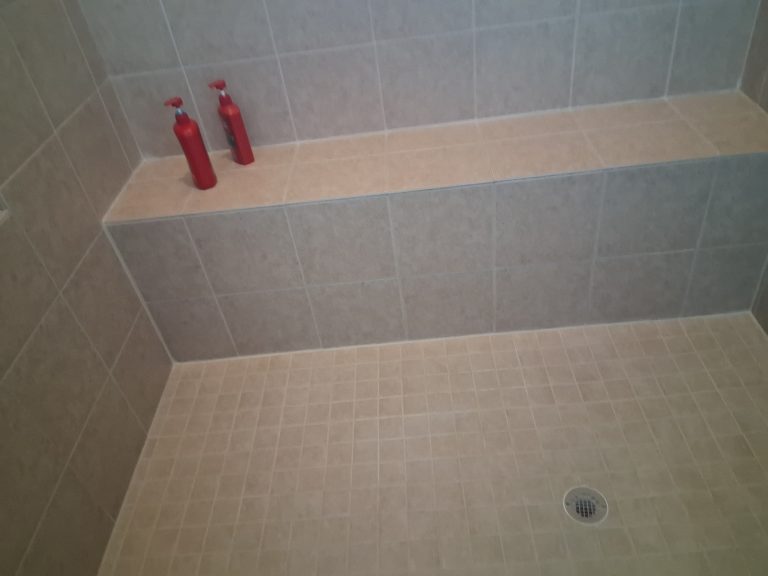
- Soap scum, hard-water deposits, and body-oil buildup in restrooms and showers
- Darkened grout caused by moisture, spills, and traffic
- Haze and residue left by improper cleaning products
- Surface bacteria and odor-causing buildup in heavily used spaces
Not every stain can be erased completely. Permanent discoloration, failed grout, chipped tile, and deeply etched stone may require repair, color sealing, or restoration in addition to cleaning. Honest service means explaining that difference before the work begins, rather than promising a result the floor cannot realistically deliver.
How the Deep-Cleaning Process Works
A professional tile-and-grout service starts with preparation. Furniture, movable items, and obstacles are addressed as agreed upon, while the technician inspects the floor for cracked grout, loose tile, damaged caulk, and areas requiring special care. This step matters because cleaning can reveal existing damage that dirt has been hiding.
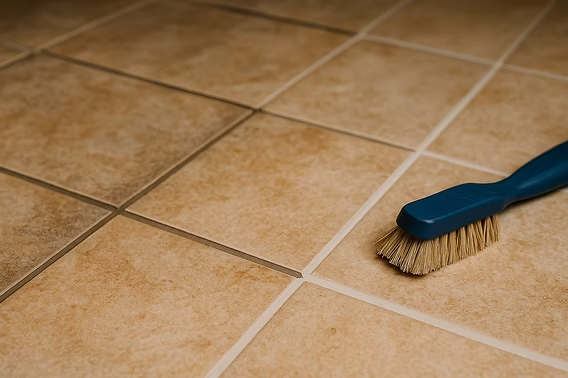
Next, an appropriate industrial-grade cleaning solution is applied to break down the soil bonded to the surface and grout lines. For grease-heavy or heavily soiled commercial floors, dwell time and agitation may be necessary. Specialized brushes and tools work the solution into grout joints and textured areas that a flat mop cannot reach.
Then comes the part that makes a visible difference: hot water, pressure, and extraction. Truck-mounted equipment can deliver strong heat and pressure while immediately recovering the dirty water. Instead of leaving loosened soil on the floor, extraction pulls it away from the tile and grout.
This process is especially valuable for grout lines. Grout is porous, and its recessed position makes it a natural collection point for dirt and moisture. Flushing those lines properly can restore contrast between the tile and grout, making the entire floor look brighter without the cost and disruption of replacement.
After cleaning, the floor should be inspected for remaining trouble spots. Some areas may need additional treatment, while others may be ready for protective sealing. Drying time varies with tile type, humidity, ventilation, and how heavily the floor was cleaned. A reputable provider should give clear instructions about when the space can return to normal traffic.
When Grout Sealing or Color Sealing Makes Sense
Cleaning restores what can be removed. Sealing helps slow down what comes next.
Clear grout sealer creates a protective barrier that reduces how quickly liquids, soil, and spills absorb into porous grout. It is a practical choice for offices, retail floors, apartment common areas, and other spaces where the grout is in good condition but needs easier ongoing maintenance. Sealer does not make grout maintenance-free, but it can make regular cleaning more effective and help preserve the freshly cleaned appearance.
Color sealing is different. It applies a durable color coating over grout after proper preparation. This can help even out grout that is permanently stained or blotchy, and it gives property managers a consistent color across a larger floor area. It is often a smart alternative to regrouting when the existing grout is structurally sound but no longer looks uniform.
The trade-off is that color sealing requires careful prep and should not be used to hide failing grout. If grout is loose, missing, cracked, or allowing moisture behind the tile, repair needs to come first. A clean-looking floor is valuable, but a sound floor is the better long-term investment.
Choosing the Right Schedule for Your Business
There is no single cleaning schedule for every commercial property. A busy restaurant or public restroom may need professional attention more often than a small office with limited foot traffic. Entryways exposed to rain and landscaping debris will usually need service sooner than interior conference rooms.
For many businesses, scheduling deep tile and grout cleaning once or twice a year helps prevent buildup from becoming severe. High-traffic, grease-prone, or customer-facing areas may benefit from more frequent service. Property managers may also schedule cleaning between tenant turnovers, before inspections, after construction, or ahead of a major event.
The best schedule is based on what the floor is telling you. Dark traffic lanes, recurring odors, slippery residue, stained grout, and floors that look dirty shortly after mopping are signs that routine maintenance is no longer enough.
What to Look for in a Commercial Cleaning Provider
Commercial floors affect customers, employees, tenants, and visitors, so the lowest quote is not always the best value. Ask whether the company is licensed and insured, what equipment and solutions it uses, and whether it has experience with your tile type and business environment. A provider should be able to explain the process in plain language, including what is included, what may require additional work, and how long the area will need before normal use.
Scheduling matters, too. Many businesses need work completed around operating hours, tenant access, deliveries, or customer traffic. A local company that communicates clearly can help minimize disruption while still giving the floor the detailed attention it needs.
Dream Clean Orlando uses high-pressure extraction, professional-grade solutions, and careful grout-line cleaning to help Central Florida businesses restore hard surfaces without replacing them prematurely. The focus is visible results, honest recommendations, and a cleaning plan that fits the condition of the floor.
A well-maintained tile floor does more than photograph well. It gives people a cleaner first impression, supports safer walking surfaces, and helps protect the flooring investment already under your roof. When the grout starts telling a different story than the rest of your business, it is time to give the floor the professional care it has been missing.