
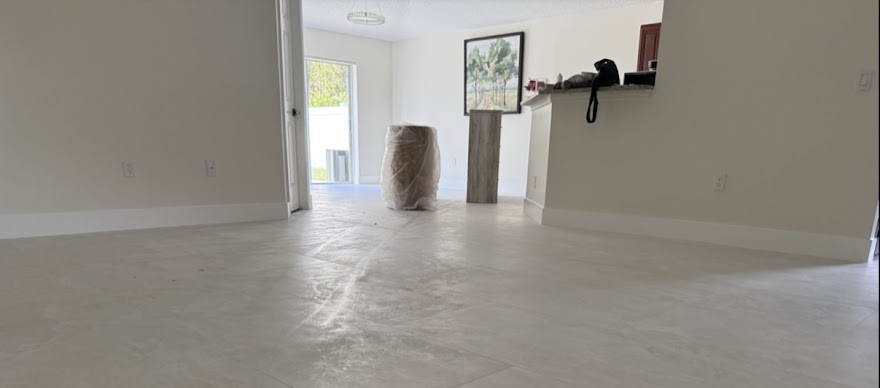
Apartment Turnover Tile Cleaning That Shows
A vacant apartment can look almost ready until the lights hit the bathroom floor, kitchen backsplash, or entryway tile. Dark grout lines, soap film, cooking grease, and tracked-in soil can make an otherwise well-kept unit feel neglected. Professional apartment turnover tile cleaning helps property managers and landlords reset those hard surfaces so the next resident sees a clean, cared-for home from the first walkthrough.
For Orlando-area rentals, tile is a practical flooring choice. It handles humidity, pet traffic, spills, and frequent cleaning better than many materials. The trade-off is that grout is porous, textured tile holds soil, and routine mopping often spreads dirty water across the surface instead of removing what has settled into the grout lines.
Why Tile Looks Dirty After an Apartment Is Cleaned
A standard turnover clean is necessary, but it is not always enough to restore tile. Mop water, all-purpose cleaners, and disposable wipes clean surface debris well. They do not have the heat, pressure, or extraction needed to pull embedded residue out of grout and textured flooring.
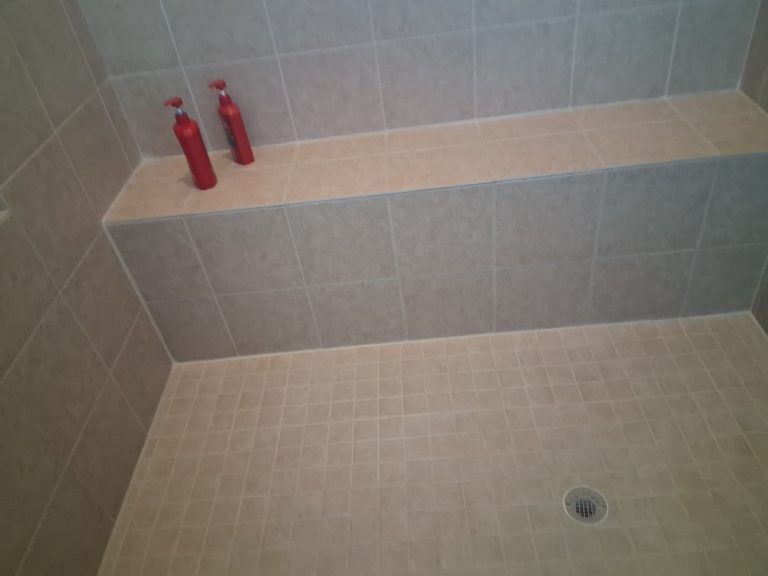
Bathrooms are usually the toughest rooms. Soap residue, body oils, shampoo, hard-water minerals, mildew staining, and cleaning-product buildup can leave tile dull and grout discolored. In kitchens, grease vapor settles onto floors and backsplashes, then grabs onto dust and soil. Entryways, hallways, and patio-adjacent areas collect fine grit that gets pressed into grout by foot traffic.
That buildup can make a unit look older than it is. It may also create friction during inspections when a departing tenant believes the floor is clean because it was mopped, while the property manager can still see dark traffic lanes or stained grout. A deep cleaning gives everyone a clearer picture of the tile’s actual condition.
When Apartment Turnover Tile Cleaning Makes Sense
Not every vacant unit needs a full restoration service. If tile and grout are still light, clean easily, and show no visible buildup, a detailed turnover clean may be enough. Professional deep cleaning is the better call when grout remains dark after mopping, floors look hazy, shower walls have stubborn residue, or the unit has had pets, smokers, heavy cooking, or high occupant traffic.
It is also useful before listing photos, owner inspections, and new move-ins. Fresh paint and clean appliances stand out more when the floors no longer look worn down. For properties with tile throughout the living space, restoring grout can make the entire apartment feel brighter without the cost and disruption of replacement.
Timing matters. Cleaning tile after carpet removal, repairs, painting, and major debris removal usually produces the best result. Construction dust, drywall residue, and paint overspray can settle into grout lines quickly. Scheduling the tile work near the end of the turnover process helps protect the finished appearance.
What a Professional Tile Turnover Service Does Differently
Professional tile cleaning is not simply a stronger mop. The process begins with an inspection of the tile type, grout condition, traffic patterns, and problem areas. Ceramic and porcelain tile can often handle a more intensive approach than certain natural stone surfaces, while cracked grout, loose tile, or damaged caulk may need repair before cleaning or sealing.
The floor is treated with industrial-grade cleaning solutions designed to loosen soil, grease, soap film, and residue. Then truck-mounted steam-cleaning equipment uses controlled heat, high pressure, and extraction to flush the grout lines and lift dirty water away. The extraction step matters because leaving loosened soil on the floor can cause it to settle back into the grout as the surface dries.
Edges, corners, shower ledges, and areas around toilets often need specialized hand tools. These details are easy to miss during a fast turnover, but they are exactly where a prospective renter will notice staining. A careful technician works the places that ordinary equipment and quick mopping cannot reach well.
At Dream Clean Orlando, the goal is to remove embedded soil safely and thoroughly, not to use harsh methods that create damage or leave behind strong chemical odors. The right approach depends on the material and condition of the surface. Natural stone, travertine, textured tile, and delicate shower finishes require the right products and cleaning pressure.
Cleaning Can Reveal Pre-Existing Wear
Deep cleaning can improve the appearance of grout dramatically, but it cannot always return damaged grout to its original color. Permanent staining, bleach spots, worn sealer, etching, chips, and failed grout are maintenance issues, not dirt. That distinction protects property owners from expecting a cleaning service to solve a repair problem.
When grout is clean but still uneven in color, grout color sealing may be a practical next step. It creates a consistent appearance while helping protect porous grout from future staining. For heavily worn units, this can be more cost-effective than regrouting an entire bathroom or kitchen. If grout is cracked or missing, repair should come before sealing.
Prioritize the Rooms Renters Notice First
A turnover budget is not unlimited, so priorities matter. Bathrooms and showers typically deliver the strongest visual return because renters inspect them closely and soap buildup is highly visible. Kitchen floors and backsplashes come next, especially in units where cooking grease has dulled the tile.
For larger apartments, focus on the entry, main living area, hallways, and any transitions between carpet and tile. These zones show traffic patterns first. A clean grout line along the perimeter and in doorways can change the impression of an entire floor even before furniture is moved in.
Commercial-style common areas, leasing offices, laundry rooms, and breezeways may need a separate maintenance schedule. These spaces see more frequent traffic and often need periodic deep cleaning rather than waiting for buildup to become obvious. The ideal frequency depends on occupancy, foot traffic, pet policies, and the type of tile installed.
Protect the Result Between Tenants
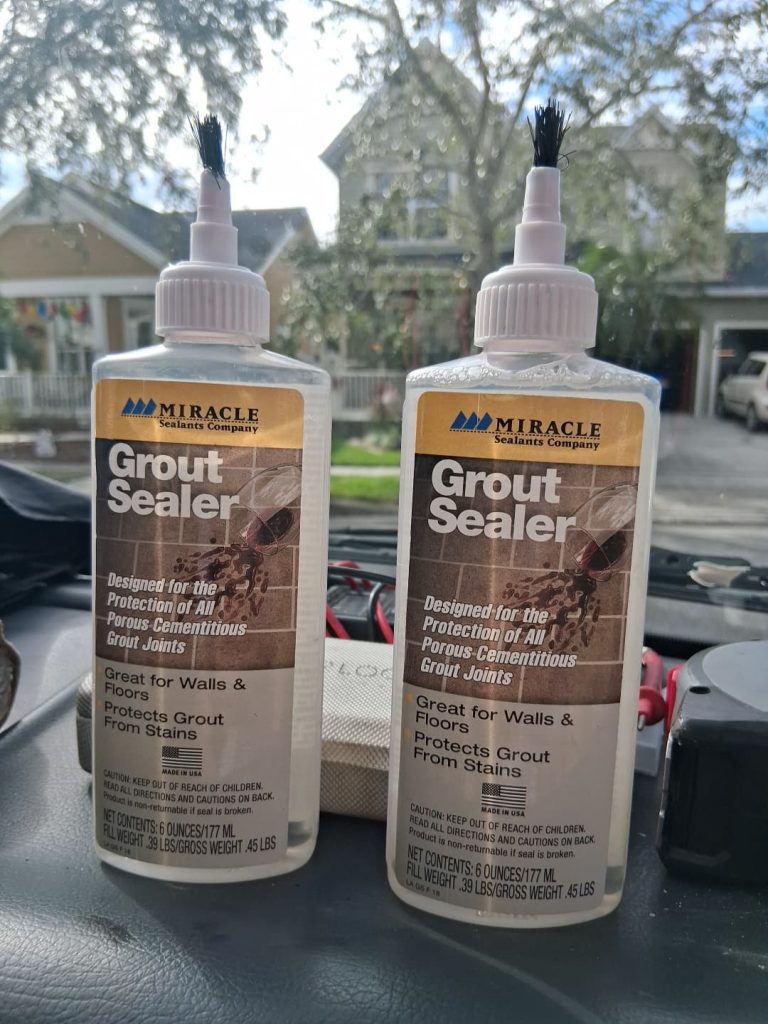
Once tile and grout are restored, sealing can make routine maintenance easier. A quality grout sealer helps slow the absorption of spills, oils, and dirt. It does not make grout maintenance-free, and it will not prevent every stain, but it gives staff and residents more time to clean up spills before they settle in.
For day-to-day care, use a neutral cleaner recommended for the tile type and change mop water often. Avoid pouring strong acidic cleaners, bleach, or oily cleaning products directly onto grout unless the surface manufacturer specifically approves them. These products can discolor grout, weaken sealers, leave residue, or damage natural stone.
Property managers can also reduce repeat problems by giving incoming residents a simple care expectation. Ask residents to wipe up spills, use bath mats, avoid harsh products on showers, and report leaks quickly. A small leak around a toilet or shower can discolor grout and create a much larger maintenance issue if it is left unresolved.
Build Tile Care Into Your Turnover Schedule
The best time to think about tile is before a unit is urgently needed. Keep notes on apartments with recurring shower buildup, pet-related staining, heavy kitchen grease, or grout that has reached the point where mopping no longer improves it. That record makes budgeting and scheduling easier across multiple units.
For landlords with a single rental, a professional clean before a new tenant moves in can protect the property’s presentation and reduce the temptation to replace flooring that still has years of useful life. For apartment communities, grouping vacant units or scheduling common-area service can help maintain a consistent standard without disrupting residents.
A clean floor does more than photograph well. It tells the next resident that the property has been prepared with care. When tile and grout are treated as part of the turnover plan rather than an afterthought, the unit is easier to show, easier to maintain, and more inviting from the moment the door opens.
One Comment