Grout Recoloring: When Clean Grout Still Looks Bad
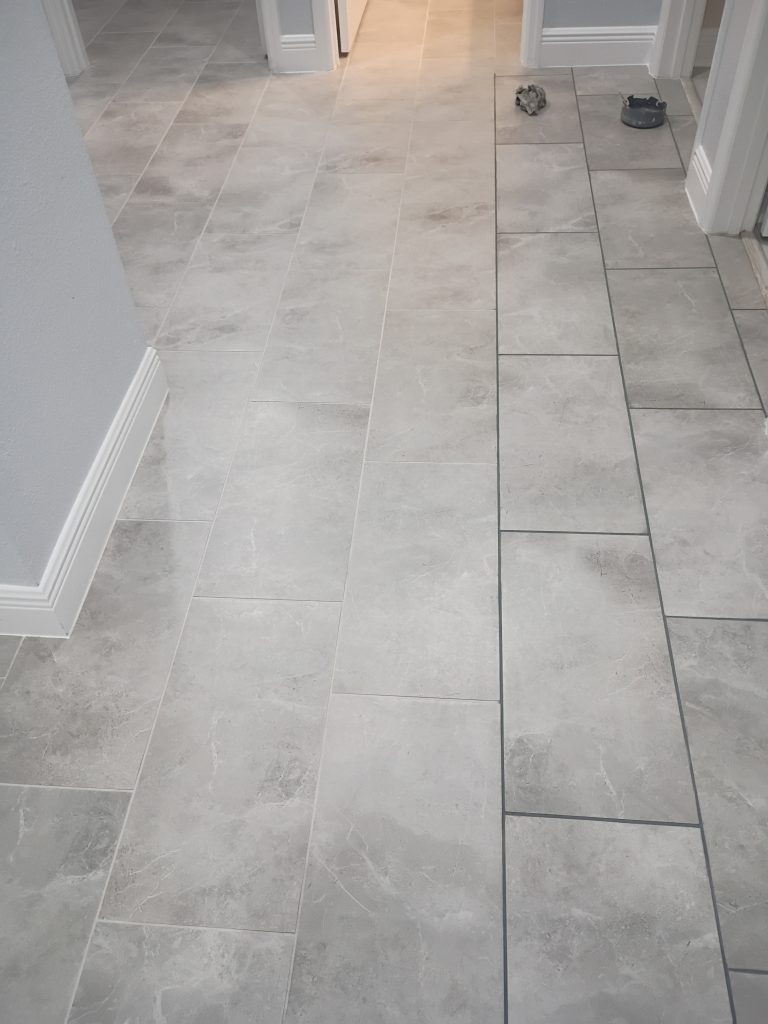
A tile floor can be freshly mopped and still make the whole room look tired. Often, the culprit is not the tile at all. It is the grout. Grout recoloring can bring back crisp, even grout lines when years of foot traffic, cooking residue, hard water, and Florida humidity have left them permanently blotchy.
For Orlando homeowners, it can be a practical alternative to replacing tile or paying for a full regrout. But recoloring is not a shortcut for every grout problem. The condition of the grout, the moisture level in the area, and the preparation done beforehand all determine whether the finished floor looks builder-new again or simply looks covered up.
What Is Grout Recoloring?
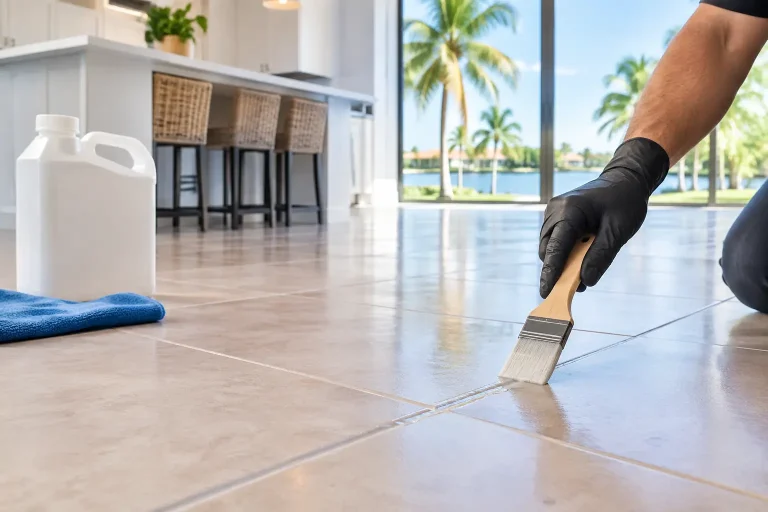
Grout recoloring uses a specialized colorant to restore the appearance of existing grout lines. Unlike a basic stain, quality grout colorant is designed to bond to cleaned grout and leave a consistent color across the floor or wall. Many products also help make porous cement-based grout more resistant to future stains.
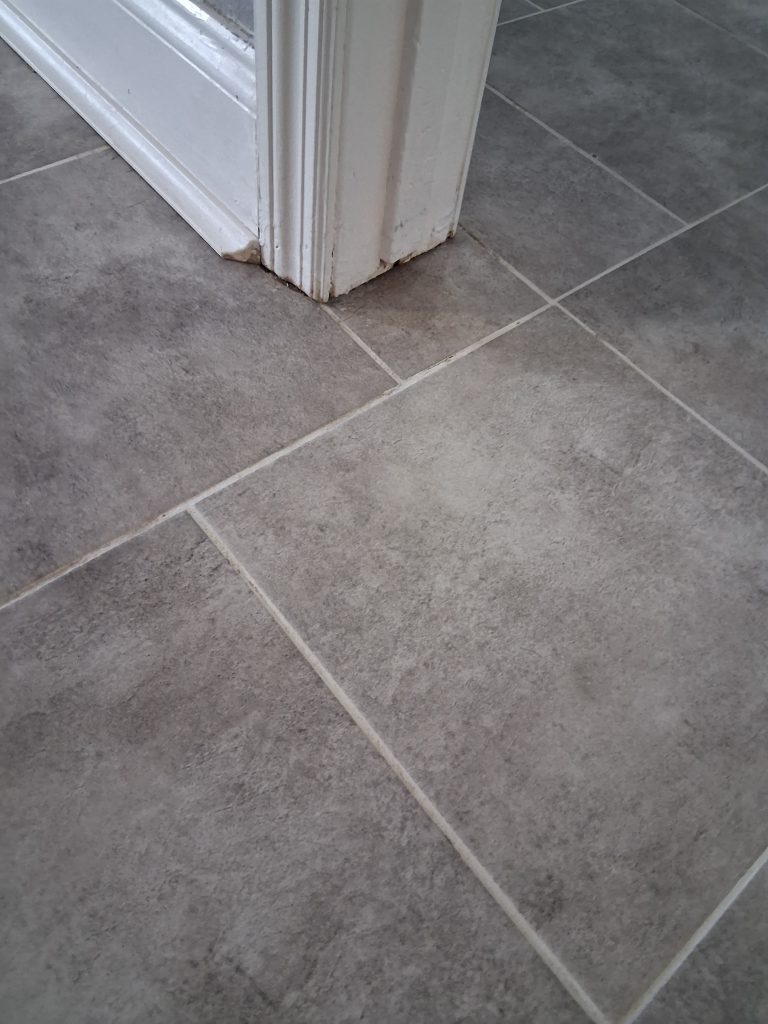
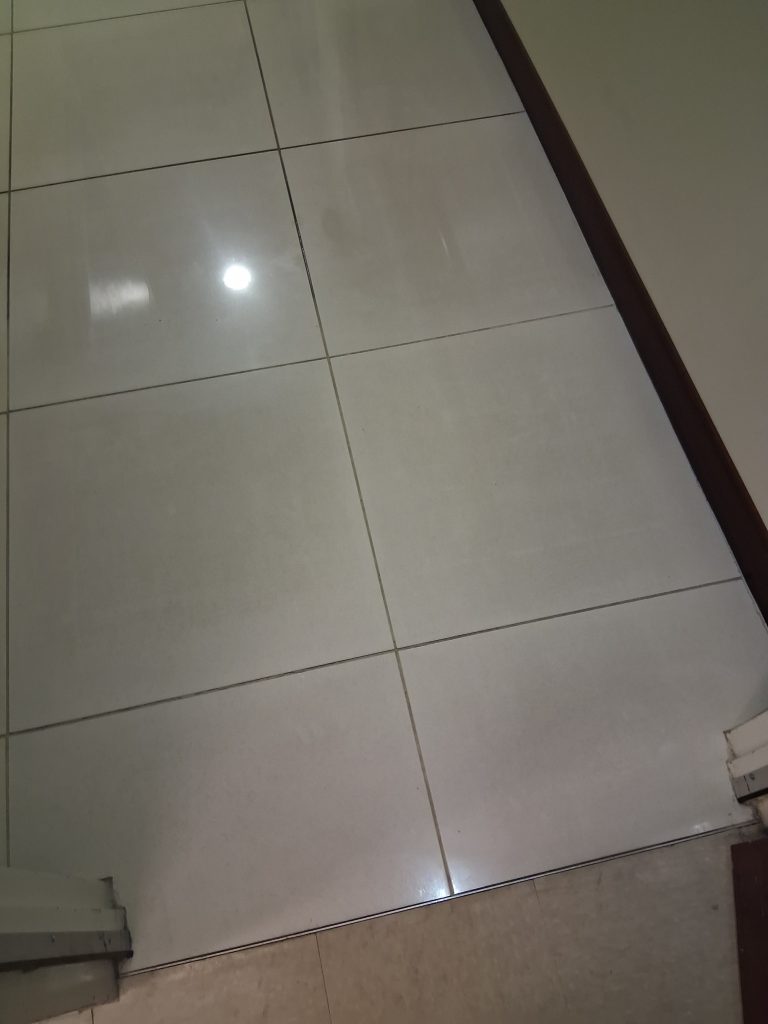
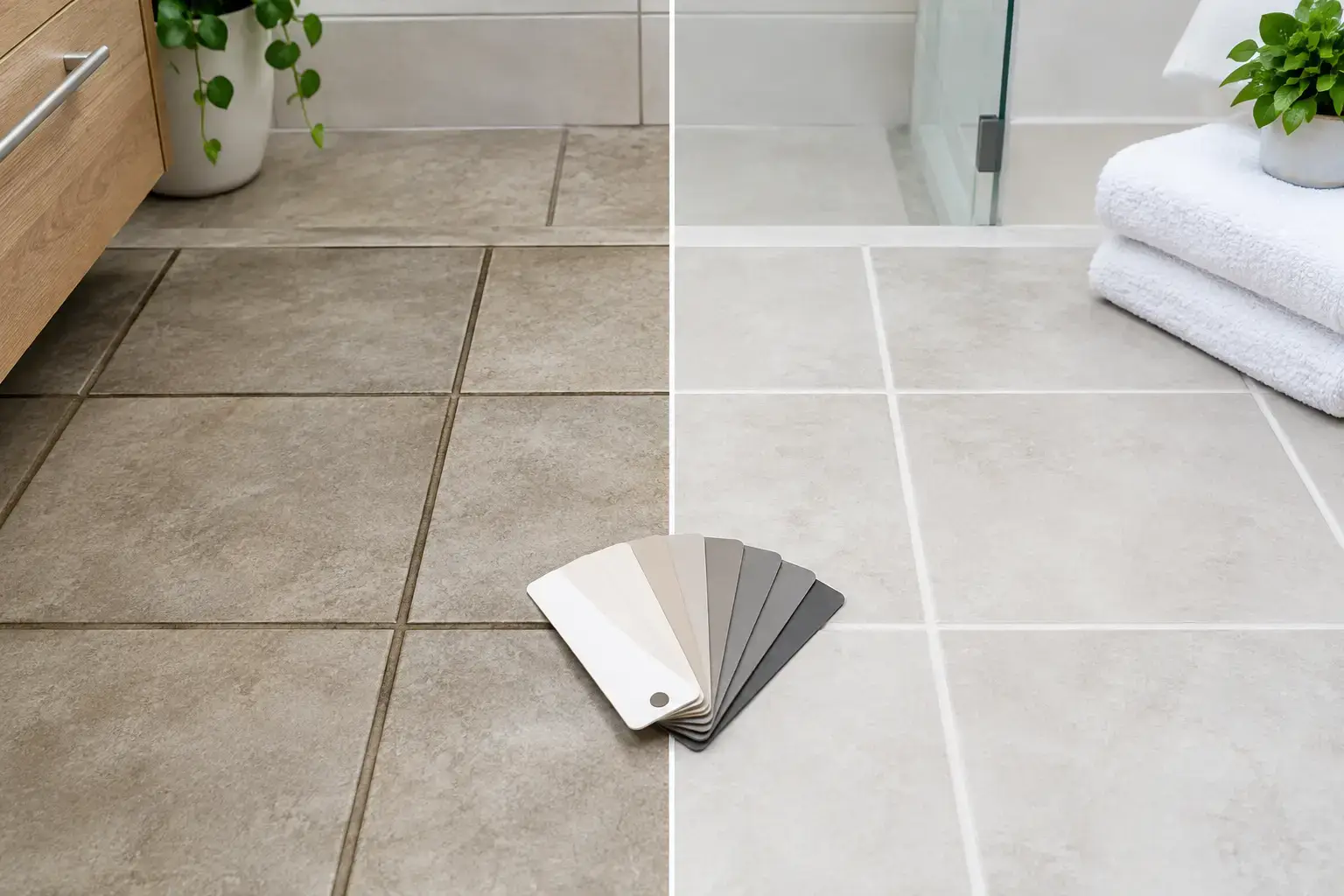
Homeowners may choose to match the existing grout color, brighten it with a lighter shade, or move to a deeper color that better hides normal wear. White and light beige grout can make a room feel clean and open, but it also shows every spill. Medium gray, taupe, and darker neutral colors are often easier to maintain in busy kitchens, hallways, entryways, and rental properties.
The result can be dramatic because grout frames every tile. When the lines are uniform, even older tile can look far newer than it did after a regular mopping routine.
When Recoloring Makes Sense
Recoloring works best when the tile is in good condition and the grout is still structurally sound. It is especially useful for grout that has absorbed stains over time but has not crumbled, loosened, or developed widespread cracks.
A kitchen floor with dark traffic lanes, a bathroom with yellowed grout near the vanity, or a lanai with weathered-looking grout may all be good candidates. It is also a smart option for sellers who need a visible improvement before listing, or for landlords and vacation-rental hosts preparing for a fast turnover.
It can also solve a common frustration: grout that looks dirty immediately after cleaning. Sometimes professional cleaning removes the soil but reveals permanent discoloration underneath. That is not a cleaning failure. Grout is porous, and once certain pigments, minerals, oils, or mildew stains get deep into it, cleaning alone may not return the original color. Recoloring gives the lines a clean, intentional finish.
When Cleaning Is Enough
If the grout only looks dull because of surface soil, soap residue, or embedded dirt, a thorough professional tile and grout cleaning may be all it needs. High-pressure cleaning and grout-line flushing can remove buildup that household mops leave behind.
This is why an honest assessment matters. Recoloring cleanable grout adds cost and may not be necessary. The right first step is to determine whether the discoloration is sitting on the grout or has become part of it.
When Recoloring Is Not the Right Repair
Colorant cannot fix loose, missing, deeply cracked, or failing grout. Those sections need repair first. In a shower, recurring mold growth, soft drywall, loose tile, or staining that returns quickly can point to a moisture problem behind the surface. Applying colorant before solving that issue only delays the real repair.
Natural stone also needs special care. Some stones and finishes can react poorly to strong cleaners, abrasives, or careless application. The same goes for textured tile, unglazed tile, and certain older installations. A knowledgeable technician should test the surface and choose a method that protects the tile as well as the grout.
Why Orlando Grout Gets Discolored So Quickly
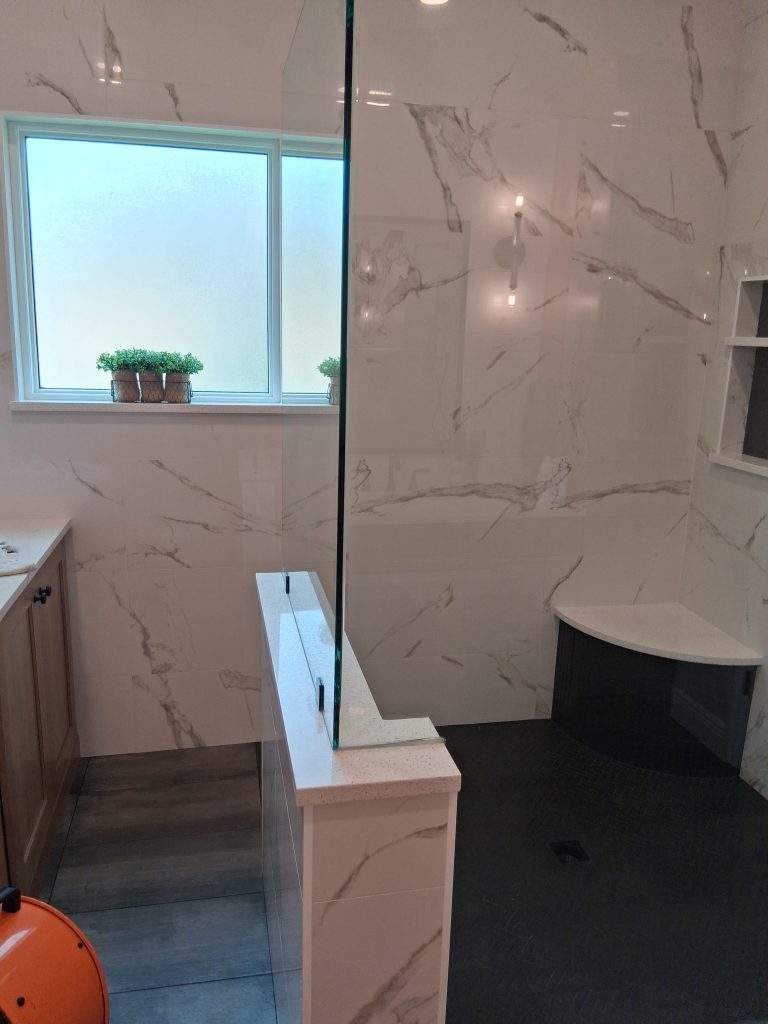
Central Florida homes deal with conditions that are hard on bathrooms, showers, and tile floors. Humidity keeps wet areas from drying as quickly, especially in bathrooms with limited ventilation. That creates a more favorable environment for mildew and staining around showers, tubs, and toilet bases.
Hard-water minerals can leave residue on bathroom walls and floors. In kitchens, cooking oils and tracked-in soil settle into grout lines. Lanais bring their own mix of moisture, pollen, outdoor dust, and foot traffic. Even homes with regular cleaning can develop dark grout because a mop often moves dirty water across recessed grout joints rather than extracting it.
The good news is that stained grout does not automatically mean the tile installation is beyond saving. With the right preparation, recoloring can give an older floor a clean, consistent appearance without the mess of tile replacement.
The Preparation Is the Part That Matters Most
The difference between a durable result and a disappointing one usually comes down to prep. Grout colorant needs a clean, dry, stable surface to bond correctly. Applying it over soap film, grease, loose grout, or active mildew can cause uneven color or early wear.
A professional process generally begins with an inspection of the tile, grout, and problem areas. The floor or wall is then deep cleaned to remove embedded soil, mineral deposits, residue, and old topical products. Any damaged grout should be addressed before colorant is applied.
After adequate drying time, the colorant is worked carefully into the grout lines and excess material is removed from the tile face. This is detail-oriented work. Wide tile joints, textured tile, tight mosaic patterns, and shower walls all require a different pace and technique.
Finally, the area needs time to cure according to the product and conditions. Florida humidity can affect drying and cure times, particularly in enclosed bathrooms. A reputable provider will explain when the floor can handle normal foot traffic and when the area should stay dry.
Choosing the Right Grout Color
Matching the existing color is the safest choice when you like the room’s current look and simply want it to look cleaner. Changing the color can be just as effective, but it should work with the tile and the way the room is used.
Light grout can make a small bathroom or bright kitchen feel fresh, although it requires more consistent care. A medium neutral is often the practical choice for family homes, busy entryways, and commercial spaces. Dark grout creates contrast and hides everyday soil well, but it can make uneven tile spacing more noticeable.
If you are selling a home, neutral tones usually appeal to the widest range of buyers. For rentals, a slightly darker neutral often provides a better balance between a polished appearance and manageable maintenance.
DIY Grout Recoloring vs. Hiring a Professional
DIY kits can work on a small, simple area when the grout is sound, the tile is smooth, and you are willing to spend time cleaning and applying colorant line by line. A powder room floor may be a reasonable project for an experienced homeowner.
The trade-off is that the work is slow, and mistakes are visible. Uneven prep can leave blotchy results. Excess colorant can cling to textured tile. Skipping repairs or applying product to damp grout can shorten its life. Showers and large open floors are less forgiving because water exposure and square footage raise the stakes.
Professional service is usually the better value for large kitchens, multiple bathrooms, rental turnovers, commercial tile, or heavily stained grout. The goal is not merely to change the color. It is to start with thoroughly cleaned grout, correct the areas that need attention, and create a finish that looks consistent from one side of the room to the other.
Dream Clean Orlando helps homeowners and property managers throughout the area evaluate whether deep cleaning, repair, sealing, or recoloring is the most sensible next step. That practical recommendation matters more than pushing a service that does not fit the condition of the floor.
How to Keep Recolored Grout Looking Good
Once grout has been recolored, gentle maintenance helps protect the finish. Use a pH-neutral cleaner recommended for tile and grout, and avoid harsh acids, bleach-heavy products, abrasive powders, and stiff wire brushes unless a tile professional confirms they are safe for your surface.
In bathrooms, run the exhaust fan during and after showers, wipe down areas that stay wet, and repair leaks promptly. On floors, vacuum or sweep before mopping so grit does not get worked into the grout lines. A clean mop head and fresh water make more difference than most people expect.
Recolored grout is an appearance upgrade, but it also gives you a clean baseline. If a stain or mildew spot appears later, you can identify it early instead of trying to clean around years of buildup. For many Orlando homes, that is the real advantage: tile that looks cared for and stays easier to maintain.