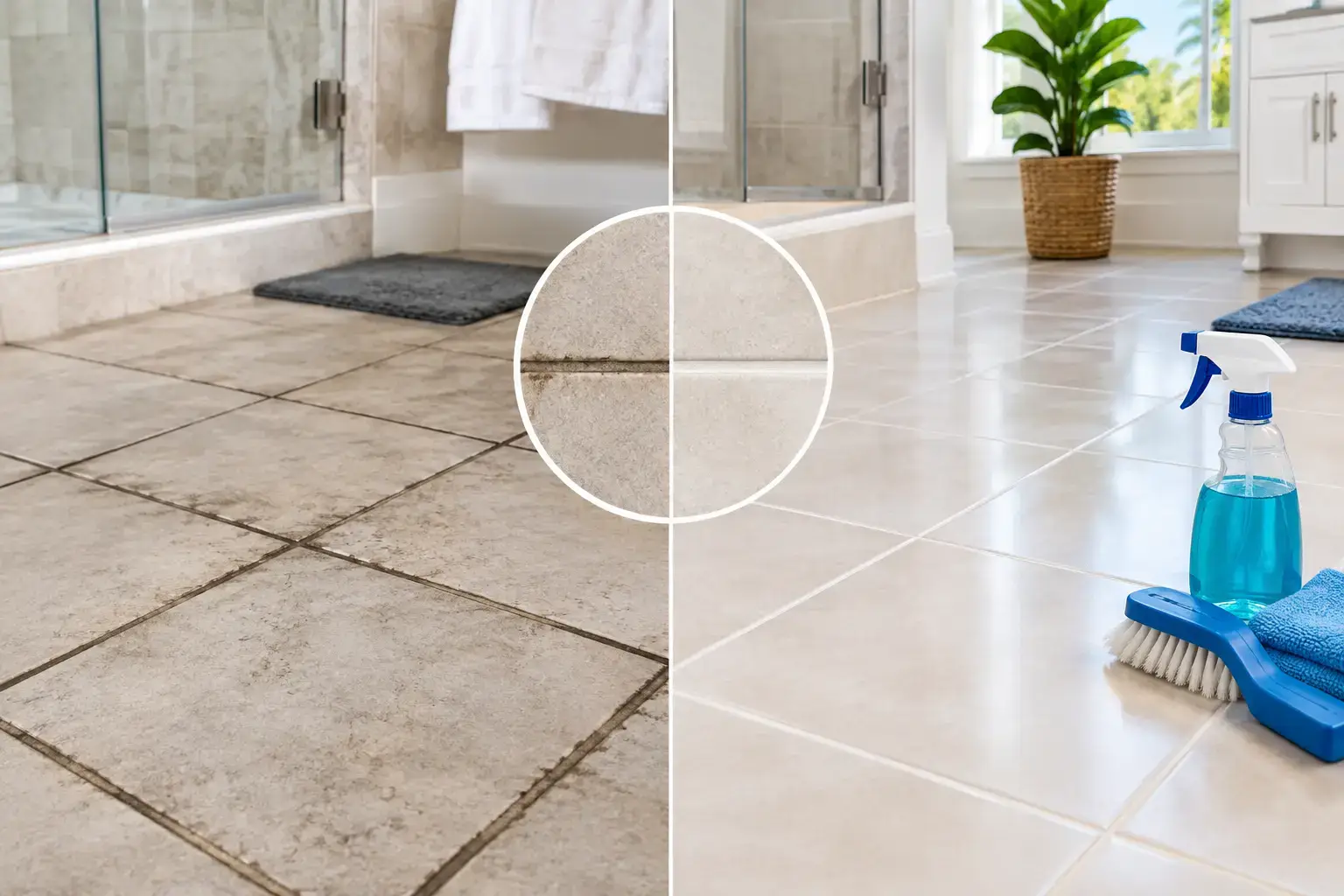
Can Stained Grout Be Restored? What Really Works
A tile floor can be freshly mopped and still look dirty because the grout lines have absorbed years of soil, soap, grease, and moisture. So, can stained grout be restored? In many Orlando homes, yes. The right approach can bring grout much closer to its original color without the cost and disruption of replacing the tile.
The key is knowing what caused the discoloration. Some stains sit near the surface and respond well to professional cleaning. Others have permanently changed the grout or point to moisture damage underneath. A good restoration plan starts with an honest look at the stain, the tile, and the condition of the grout itself.
Can Stained Grout Be Restored Without Replacing Tile?
Grout is a cement-based material with tiny pores. Those pores readily collect dirt from foot traffic, cooking residue, spills, hard-water minerals, shampoo, body oils, and cleaning products. In Central Florida, humidity makes the issue worse, especially in showers, bathrooms, lanais, and ground-floor entryways. Moisture stays around longer, which gives mildew and grime more opportunity to settle into the grout.
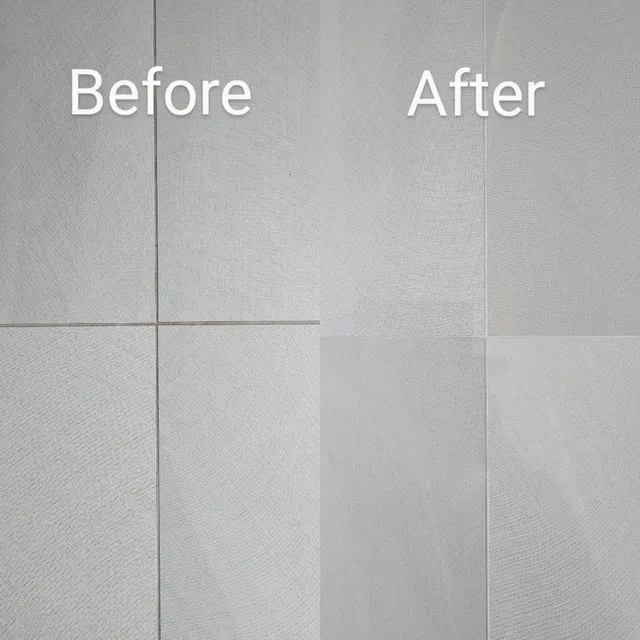
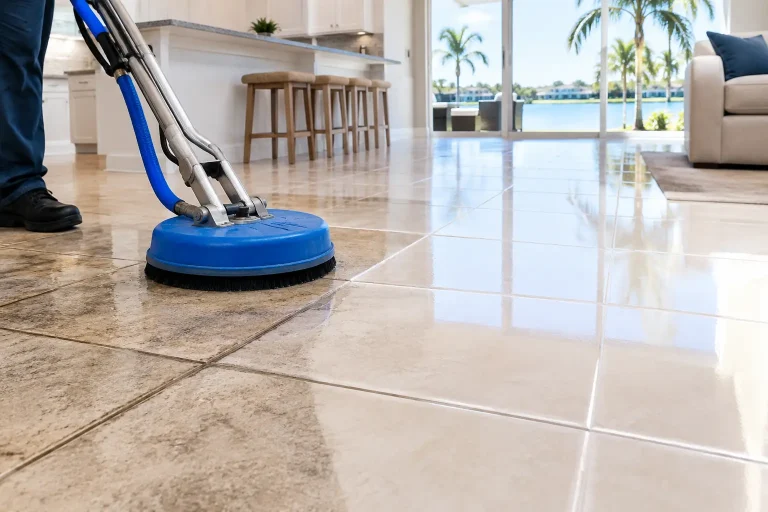
Professional tile and grout cleaning can often remove a surprising amount of embedded buildup. High-pressure cleaning and extraction flush loosened soil from the grout lines instead of simply spreading it across the floor. This is why a floor that has resisted scrubbing for years can look dramatically brighter after the right treatment.
Still, restoration does not always mean returning every line to a perfect, factory-new shade. White grout may retain slight shadows after years of use. Rust, dye, pet accidents, and certain hard-water stains can leave permanent color changes. Honest cleaning means setting expectations before work begins, not promising a result that the material cannot deliver.
What Type of Grout Stain Do You Have?
The appearance and location of a stain tell a lot about what may work. Dark grout lines across a kitchen or hallway are usually a mix of tracked-in soil and oily residue. These stains often respond very well to deep cleaning.
In bathrooms, black, gray, or pink discoloration is commonly related to moisture, soap residue, and microbial growth. Surface mildew can often be cleaned, but recurring dark spots may mean the room needs better ventilation, repaired caulk, or attention to a water leak. Cleaning removes the visible buildup, but it cannot solve a moisture source that is still active.
Yellow or orange staining is common where water contains minerals or where cleaning products have built up over time. It may also appear near toilets, shower corners, and exterior doors. These stains can improve with the correct treatment, but acidic or harsh DIY products can damage grout, etch certain natural-stone tiles, or weaken surrounding caulk.
A few common stain types deserve a closer look:
- Everyday soil and grease: Usually the best candidate for professional cleaning and extraction.
- Soap scum and hard-water deposits: Often removable, though heavy buildup may require more than one cleaning step.
- Mildew and organic staining: Can be treated at the surface, but ongoing humidity or leaks must be addressed to prevent a quick return.
- Permanent dye, rust, or chemical discoloration: May need grout recoloring when cleaning alone cannot restore an even appearance.
Why Mopping and Scrubbing Often Fall Short
Most household mops clean the tile face more effectively than the recessed grout lines. Dirty water can settle into those lines, and some popular cleaners leave a film that attracts more soil later. A stiff brush may help with a small spill, but it is hard to clean an entire kitchen or shower evenly by hand.
Bleach is another common mistake. It can make surface staining appear lighter for a short time, but repeated use may dry out grout and damage colored grout. It also does not remove the embedded soil that creates the dull, grimy look. Mixing bleach with other bathroom products is unsafe, particularly products containing ammonia or acids.
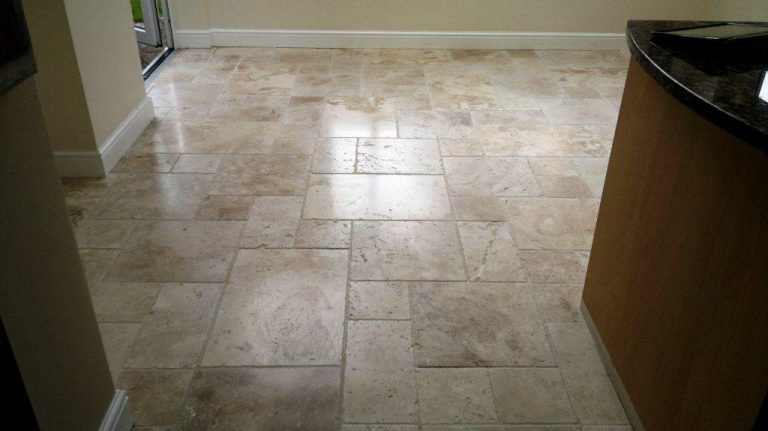
Steam and high-pressure equipment are not automatically safe either. The technician needs to match the process to the tile and grout. Natural stone, cracked tile, loose grout, failing caulk, and delicate finishes require a different approach than a standard ceramic or porcelain floor. The goal is deep cleaning without driving water into places it does not belong.
When Professional Cleaning Is the Best First Step
If your grout is intact but dark, sticky, or unevenly stained, cleaning is usually the sensible place to start. It costs less than replacement, preserves tile that is otherwise in good condition, and can improve the entire room in a single service visit.
Professional cleaning is especially useful before listing a home, after a tenant turnover, or when an Airbnb or rental property needs to look cared for quickly. Clean grout changes how people see a room. Bathrooms look brighter, kitchens look less dated, and tile floors can appear closer to builder-new again.
For Orlando homeowners and property managers, Dream Clean Orlando uses professional equipment to flush soil from grout lines and extract it rather than relying on a surface scrub alone. The process is designed for visible results while using products that are appropriate for homes with children and pets. Before cleaning begins, the condition of the tile, grout, and surrounding caulk should be checked so there are no surprises.
When Grout Sealing Makes Sense
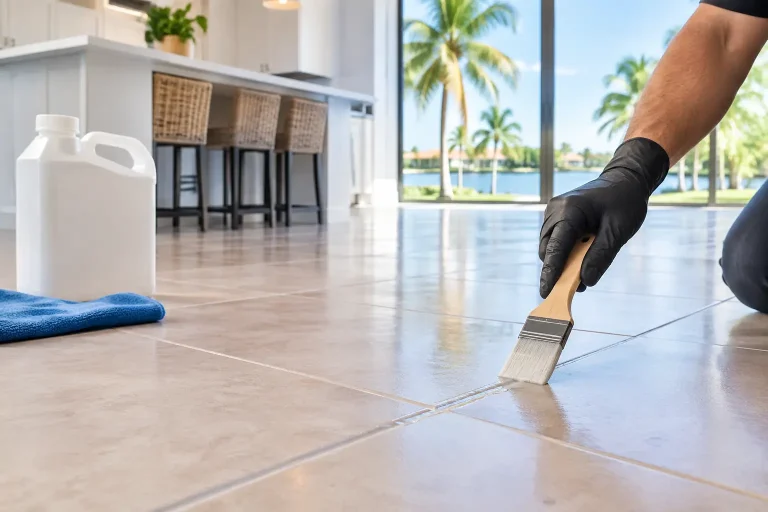
Once grout has been thoroughly cleaned and allowed to dry, sealing can help protect it from future staining. A penetrating grout sealer reduces how quickly water, spills, and soil absorb into porous grout. It does not make grout maintenance-free, but it gives you more time to wipe up messes before they become stains.
Sealing is particularly worthwhile in kitchens, bathroom floors, showers, entryways, and rental properties with frequent turnover. It can also help preserve the fresh appearance achieved through professional cleaning.
There are trade-offs. Sealer will not fix cracked, missing, or crumbling grout, and it will not cover permanent discoloration. In a shower with ongoing water intrusion, applying sealer without fixing the underlying issue can create false confidence. The shower may look cleaner for a while, but damaged grout or failed caulk still needs repair.
When Grout Recoloring Is the Better Fix
Grout recoloring is a strong option when the grout is structurally sound but has uneven permanent staining, faded color, or a shade that no longer suits the room. A quality colorant creates a consistent color across the lines and can give older tile a much more finished appearance.
This is not the same as casually painting grout. The surface needs proper preparation, and the product must be suited to the tile and location. Recoloring can be especially helpful after cleaning has removed the dirt but revealed stains that will not lift. It is also a practical alternative to replacing a full tile floor simply because the grout looks tired.
If grout is loose, deeply cracked, soft, or missing in sections, recoloring is not the answer. Those areas may need regrouting or repair first. The same goes for showers with suspected leaks behind the wall or beneath the pan. Appearance work should never hide an active water problem.
How to Keep Restored Grout Looking Better
After grout is cleaned or recolored, a few habits make a real difference. Use a pH-neutral tile cleaner instead of oily soaps or harsh chemicals. Rinse bathroom surfaces well after cleaning, and dry shower walls or floors when possible. Turn on the exhaust fan during showers and let it run afterward so moisture has a chance to leave the room.
For floors, vacuum or sweep before mopping. Sand and grit are abrasive, and wet mopping them around can push soil into grout lines. In high-traffic areas, clean spills quickly and use mats at exterior doors. Lanais and entryways need extra attention because Florida rain, landscaping debris, and outdoor dust are easily tracked inside.
Restoring stained grout is often less about finding a miracle cleaner and more about choosing the right level of care. Start with the condition of the grout, fix any moisture issue that caused the staining, and choose cleaning, sealing, recoloring, or repair based on what the surface truly needs. That is how a tile floor stays bright, clean, and easier to maintain long after the first deep clean.