Can Steam Cleaning Damage Grout? What to Know
A tile floor can look worse right after a cleaning attempt when the grout was already weak, cracked, or improperly sealed. That is why homeowners often ask, can steam cleaning damage grout? The honest answer is that properly performed steam cleaning is generally safe for sound grout and tile, but excessive heat, pressure, or poor technique can expose existing problems and damage vulnerable surfaces.
The difference comes down to the condition of the floor, the type of grout and tile, and how the cleaning is performed. Professional tile and grout cleaning is not simply blasting the floor with heat. It is a controlled process that loosens embedded soil, flushes grout lines, and extracts the dirty water before residue can settle back into the surface.
Can Steam Cleaning Damage Grout?
Steam itself does not automatically harm grout. Cement-based grout is designed to live between tile in kitchens, bathrooms, entryways, and commercial floors where it regularly encounters moisture and temperature changes. When grout is intact, correctly installed, and maintained, controlled heat and extraction can remove the dirt, body oils, soap residue, and hard-water buildup that routine mopping leaves behind.
Problems arise when a cleaner uses more pressure or heat than the surface can handle, holds a tool in one spot for too long, or works on grout that is already deteriorating. Deeply stained grout can also reveal chips, pinholes, and worn areas once the soil covering them is removed. The cleaning did not necessarily create those defects, but it can make an existing issue easier to see.
A qualified technician inspects the surface before starting, adjusts the process for the material, and uses recovery equipment to remove moisture and soil. That matters in Central Florida, where humidity can slow drying and bathrooms, showers, and pool-adjacent floors often deal with stubborn mineral deposits.
When Grout Is Most at Risk
Grout is not a permanent, maintenance-free material. It is porous unless it has been sealed, and years of foot traffic, harsh cleaners, moisture, and movement in the floor can weaken it. Steam cleaning should be approached carefully when the grout lines show signs of failure.
Watch for crumbling or sandy grout, missing sections, visible cracks, loose tile, or joints that stay dark and damp long after a shower. These conditions point to a repair or moisture issue, not just a cleaning issue. High heat and pressure may wash out loose grout particles or push water into openings behind the tile.
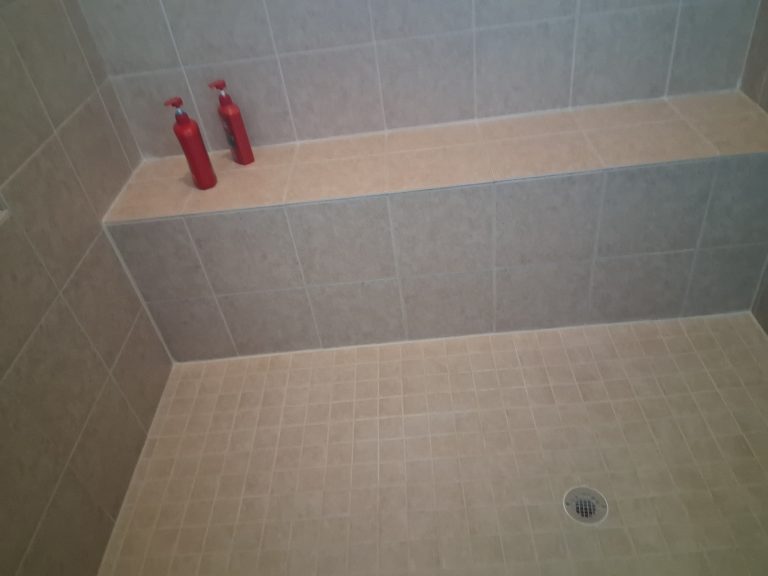
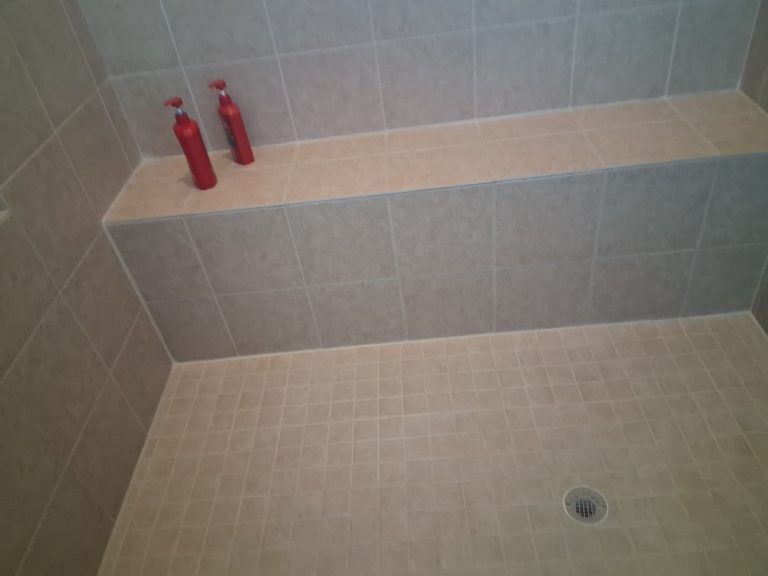
Older shower grout deserves special attention. A shower that has recurring mildew, cracked corners, hollow-sounding tile, or soft drywall nearby may have a waterproofing problem behind the wall. Surface cleaning can improve appearance, but it cannot correct failed caulk, damaged backing material, or a leaking shower pan.
Natural stone surfaces also require a different approach than ceramic or porcelain tile. Travertine, marble, limestone, and some textured stone can be sensitive to aggressive products and excessive moisture. The grout may tolerate the process, while the stone needs gentler chemistry, lower pressure, and careful drying.
Heat, Pressure, and Dwell Time All Matter
The phrase “steam cleaning” covers several methods. Some machines create low-moisture vapor steam, while professional truck-mounted systems use heated water, controlled pressure, cleaning solutions, and powerful extraction. Neither method should be treated as one-size-fits-all.
Too much heat can stress a cold tile surface if there is a sudden temperature change. Too much pressure can disturb weak grout or force dirty water into unsealed cracks. Leaving heat on one small spot too long can affect some sealers, coatings, and sensitive stone finishes. A professional avoids these risks by moving the tool consistently, testing questionable areas, and matching the cleaning method to the material.
Why DIY Steam Cleaning Can Cause Trouble
Consumer steam cleaners can be useful for light maintenance, especially on sealed tile floors. But they have limits. They usually do not have the extraction power needed to pull dissolved soil out of deep grout pores. Instead, they may loosen dirt and leave much of that moisture and residue in place.
Repeated DIY steaming can be risky if grout is unsealed or already failing. Homeowners may keep passing over the same dark grout line, trying to force a stain out with more heat. That can over-wet the area without solving the problem. It can also cause a worn sealer to break down faster, leaving grout more open to future staining.
Avoid using steam on loose tile, cracked grout, newly installed grout that has not fully cured, or surfaces with unknown coatings. Also skip harsh acidic cleaners before or after steaming. Acid can etch natural stone and gradually weaken cement-based grout, while bleach-heavy products can discolor grout and create fumes when mixed with other chemicals.
If the floor looks dull despite regular mopping, that is usually a sign that soil has built up below the surface, not that the tile needs stronger household chemicals. Professional cleaning combines the right solution with agitation, heated rinsing, and immediate extraction. That approach is designed to remove contamination rather than simply move it around.
How Professional Grout Cleaning Protects Your Tile
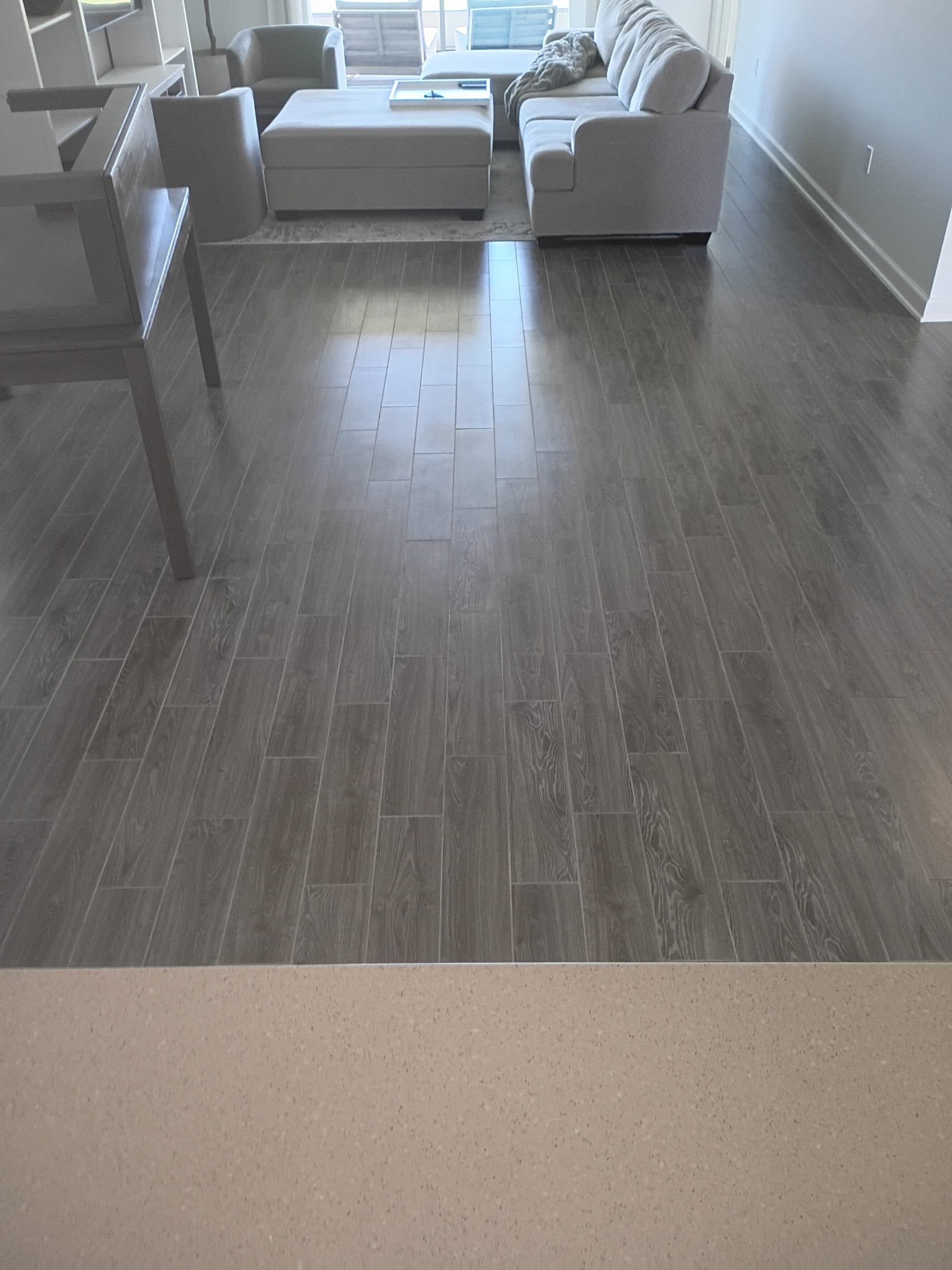
A good tile and grout cleaning service starts with evaluation. The technician checks the tile type, grout condition, stains, traffic patterns, and any previous sealers or coatings. In a kitchen, grease and food residue may be the main issue. In a shower, soap scum, hard-water minerals, and body oils require a different plan. Commercial entryways and restaurant floors often have heavy embedded soil that calls for more detailed pre-treatment.
Next, an appropriate cleaning solution is applied to break up the soil. Specialized brushes or tools agitate grout lines where needed. Heated high-pressure rinsing lifts the loosened buildup, and powerful extraction removes the dirty water from the floor. The goal is not maximum pressure for its own sake. The goal is clean grout lines with controlled moisture and no sticky residue left behind.
Dream Clean Orlando uses professional equipment and surface-specific methods to clean ceramic, porcelain, natural stone, travertine, textured tile, and other hard surfaces without treating every floor the same. For homeowners, landlords, and facility managers, that level of care can make a worn floor look dramatically cleaner without the cost and disruption of replacement.
Sealing Makes a Major Difference
After grout has been thoroughly cleaned and allowed to dry, sealing is often the best next step. A penetrating grout sealer helps slow down the absorption of spills, oils, and everyday dirt. It does not make grout indestructible, but it gives you more time to clean up a spill before staining sets in.
For heavily discolored or uneven grout, color sealing may be a better restoration option. This process creates a uniform color while adding a protective barrier to the grout line. It can be especially useful in rental properties, busy kitchens, commercial restrooms, and older floors where cleaning alone cannot restore a consistent appearance.
Sealer choice depends on the grout, tile, location, and expected traffic. Shower walls, shower floors, kitchen backsplashes, and large commercial tile floors do not all need the same product or maintenance schedule.
Simple Habits That Help Grout Last
You do not need to scrub grout every weekend to keep it in good condition. Regular dry sweeping or vacuuming prevents gritty soil from grinding into the floor. Damp mop with a pH-neutral cleaner instead of leaving standing water or using heavy soap products that create a film.
In showers, use a squeegee after bathing when practical and keep ventilation running long enough to reduce lingering moisture. Clean spills promptly in kitchens and dining areas, especially oils, tomato-based foods, coffee, and colored drinks. Most importantly, do not ignore small cracks or loose grout. Early repair is usually simpler and less expensive than waiting for a larger failure.
When grout is dark, stained, or rough to the touch, the answer is not always more heat or more pressure. Sometimes it needs deep extraction. Sometimes it needs sealing, color sealing, or repair first. A careful inspection gives you the right path and helps protect the tile you already invested in.
If you are unsure whether your grout can handle steam cleaning, treat the floor gently until its condition is assessed. The right professional process can bring back the clean, bright lines you miss while helping your floors stay easier to maintain for years ahead.