How Often Should Grout Be Sealed in Orlando?
A freshly cleaned tile floor can look builder-new again, but that bright grout will not stay protected on its own. How often should grout be sealed? For most Orlando homes, plan on resealing grout every one to three years. The right interval depends less on the calendar than on where the tile is installed, how the space is used, and whether the existing sealer is still doing its job.
That matters in Central Florida. Humidity, wet shoes, pool traffic, hard-water minerals, shower steam, cooking spills, and daily foot traffic all work their way into unprotected grout. Once stains settle below the surface, routine mopping usually cannot bring back the original color.
How Often Should Grout Be Sealed? Start With the Location
Not every grout line needs the same schedule. A tiled guest bathroom that sees light use may stay protected for several years. A main shower, busy kitchen, entryway, or lanai may need attention closer to the one-year mark.
Showers and bathroom floors: every 1 to 2 years
Showers are the highest-priority areas for grout sealing. They deal with water, body oils, soap residue, shampoo, and constant humidity. In Orlando, that moisture can linger longer than homeowners expect, especially in bathrooms with limited ventilation.
A quality penetrating sealer helps grout resist water and everyday residue, but it does not make a shower waterproof or eliminate cleaning. If grout is staying damp, turning dark, developing mildew, or showing white hard-water buildup, it may need professional cleaning and resealing before the usual schedule.
Bathroom floors generally hold up a little longer than shower walls and shower floors. Still, a family bathroom used every day often benefits from resealing every one to two years, particularly around toilets, tubs, and vanities.
Kitchen floors and backsplashes: every 2 to 3 years
Kitchen grout faces a different set of problems: grease, food spills, tracked-in soil, pet traffic, and frequent mopping. Floor grout near the stove, sink, refrigerator, and exterior doors often gets dirty before the rest of the room.
A kitchen backsplash may only need sealing every two to three years because it receives less foot traffic. Floor grout in an active family kitchen may need it sooner. Wiping spills promptly and using a neutral cleaner can stretch the life of the sealer without leaving a dull film behind.
Entryways, hallways, and living areas: every 1 to 2 years
Tile at exterior doors, pool access points, and high-traffic hallways gets ground-in sand, soil, and moisture. Those tiny particles act like sandpaper over time, wearing down the protection on grout lines. Homes with kids, pets, frequent guests, or backyard and pool traffic should lean toward annual inspection and resealing as needed.
Lanais and outdoor tile: usually every year
Outdoor and covered-lanai grout has a tougher job. Rain, irrigation overspray, pollen, landscaping debris, patio furniture, and Florida heat can break down protection faster than indoor conditions. Depending on the tile and grout type, annual sealing is a practical maintenance plan.
Before sealing exterior tile, make sure the product is rated for outdoor use and suitable for the specific material. Some stone, pavers, and textured tile require a different approach than standard ceramic or porcelain tile.
The Water Test: A Simple Way to Check Your Sealer
The easiest way to tell whether grout sealer is still working is the water test. Put a few drops of water on a clean, dry grout line and watch what happens for several minutes.
If the water beads up and stays on the surface, the sealer is likely still offering protection. If the grout quickly darkens as it absorbs the water, the sealer has worn down or is no longer providing enough resistance. That is a good time to schedule cleaning and resealing rather than waiting for stains to become permanent-looking.
Test several spots, not just one. Grout near the shower entrance, kitchen sink, doorway, or toilet may wear out much faster than grout in low-traffic corners.
Signs Your Grout Needs Sealing Sooner
A schedule is helpful, but your grout often gives clearer signals. Darkened grout that returns soon after cleaning is one sign that soil is getting into the pores. Water that disappears into the grout, rather than beading on top, is another.
Watch for recurring mildew in shower corners, yellowing around a kitchen work area, stubborn staining near exterior doors, or grout that looks blotchy after it dries. These problems do not always mean the grout is damaged. They often mean the surface needs a deeper cleaning and fresh protection.
Cracks, missing grout, or loose tile are different issues. Sealer cannot repair failed grout or stop water from getting behind tile. Those conditions should be addressed before any sealing service.
Why Cleaning Comes Before Sealing
Sealer protects what is already there. If grout is gray, greasy, mold-stained, or packed with embedded soil, applying sealer over it can lock in the discoloration and leave the floor looking uneven.
That is why professional grout sealing should begin with thorough cleaning. The goal is to flush out soil from the grout lines, rinse away cleaning residue, and allow the area to dry properly before the sealer goes on. On badly stained floors, grout recoloring may be a better option than sealing alone. Recoloring restores a more uniform appearance while adding a protective finish, but it is not necessary for every floor.
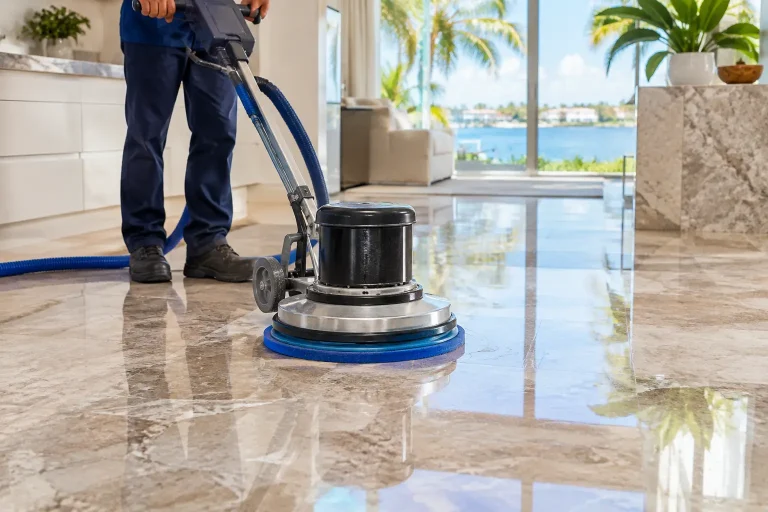
At Dream Clean Orlando, professional tile and grout cleaning uses high-pressure extraction to remove embedded buildup before sealing, so the protection is applied to clean grout instead of covering over the problem. It is a practical option when DIY scrubbing has stopped making a visible difference.
Can You Seal Grout Yourself?
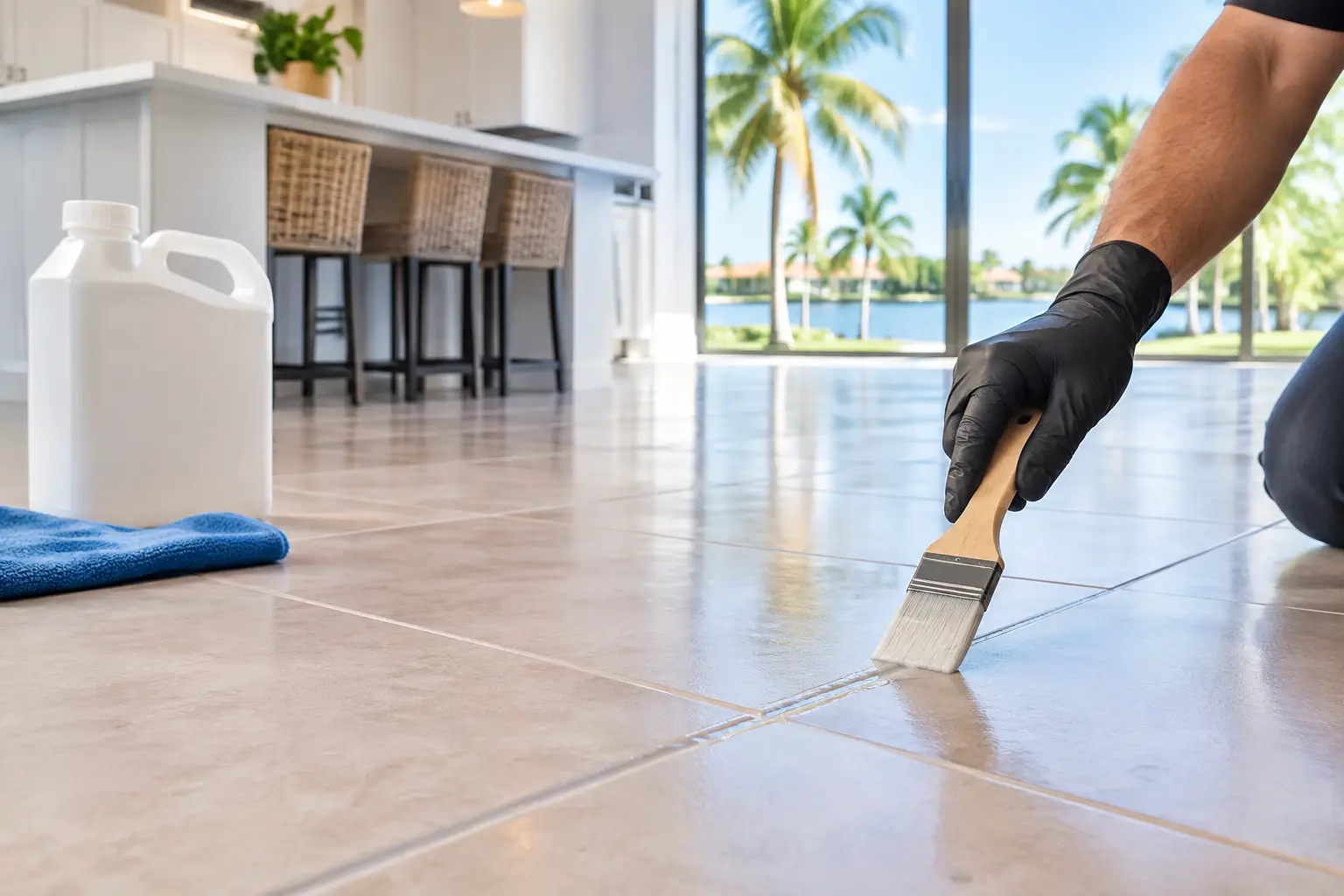
Yes, many homeowners can seal grout themselves, especially in a small backsplash or lightly used bathroom. The trade-off is preparation. The grout needs to be truly clean and dry, and excess sealer must be wiped from tile faces before it dries. Skipping either step can leave haze, streaks, or uneven protection.
Choose a penetrating grout sealer designed for your grout and tile type. Avoid assuming that all sealers work on every surface. Natural stone, unglazed tile, polished tile, epoxy grout, and pre-sealed grout can have different requirements. Epoxy grout, for example, is far less porous than traditional cement-based grout and often does not need sealing.
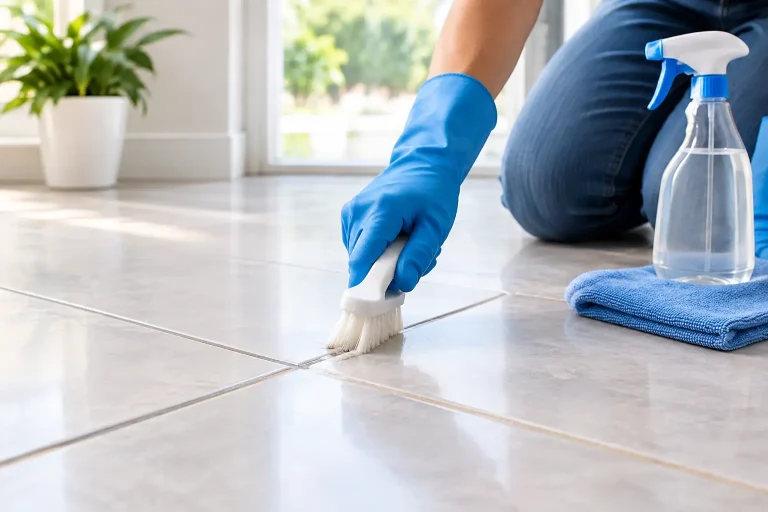
Also avoid harsh shortcuts. Acidic cleaners can damage certain tile and grout, while bleach may lighten grout unevenly or weaken it with repeated use. A neutral-pH cleaner and a soft brush are safer for regular maintenance. For mildew in a shower, improve ventilation and dry wet surfaces after use instead of relying on stronger chemicals alone.
A Better Maintenance Routine for Orlando Tile
Sealing works best as part of regular care, not as a once-and-for-all fix. Sweep or vacuum grit before mopping, since dirty mop water can settle into grout lines. Use a clean mop and change the water when it turns cloudy. In showers, a quick squeegee after use can reduce moisture, soap film, and mildew pressure.
For rental properties, vacation homes, restaurants, salons, and offices, the timing may need to be more frequent. High turnover and heavier traffic put more stress on grout than a typical household. Checking the water resistance between tenants, before busy seasons, or during routine property maintenance can prevent a larger restoration job later.
The goal is not to seal grout every year just because a calendar says so. It is to reseal it before moisture and stains have a chance to settle in. A quick water test, regular cleaning, and attention to high-use areas will keep tile looking brighter and make each professional cleaning go further.