Does Steam Cleaning Clean Grout? What It Really Does
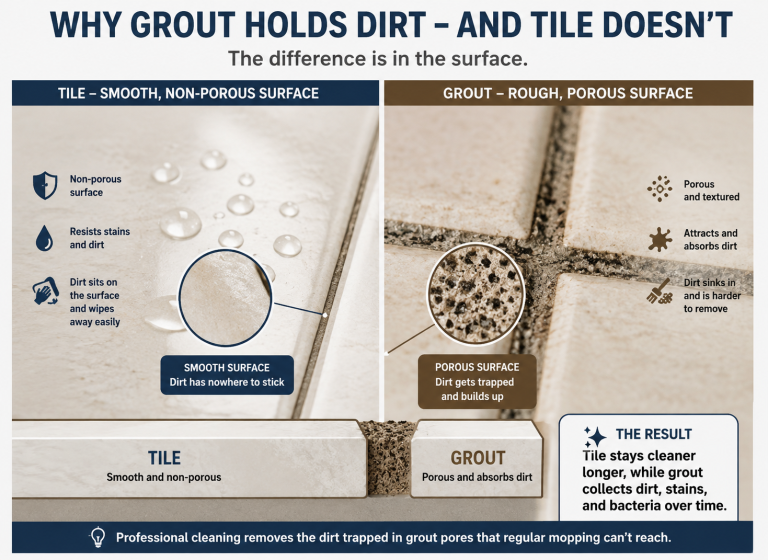
A grout line can look dark and dirty even after you mop the whole floor twice. That is because grout is porous, textured, and usually lower than the tile surface, so it collects soil that a mop mostly glides over. So, does steam cleaning clean grout? Yes, it can make a real difference, especially on surface grime, soap film, kitchen grease, and residue trapped in the grout’s tiny pores. But steam is not a cure-all for every stain or every type of grout damage.
For Orlando homeowners, the answer often depends on where the grout is located and what made it look dirty in the first place. A kitchen floor with tracked-in soil needs a different approach than a shower with hard-water deposits and possible mildew. Knowing the difference helps you avoid wasting a weekend scrubbing or damaging tile with the wrong cleaner.
Does steam cleaning clean grout deeply?
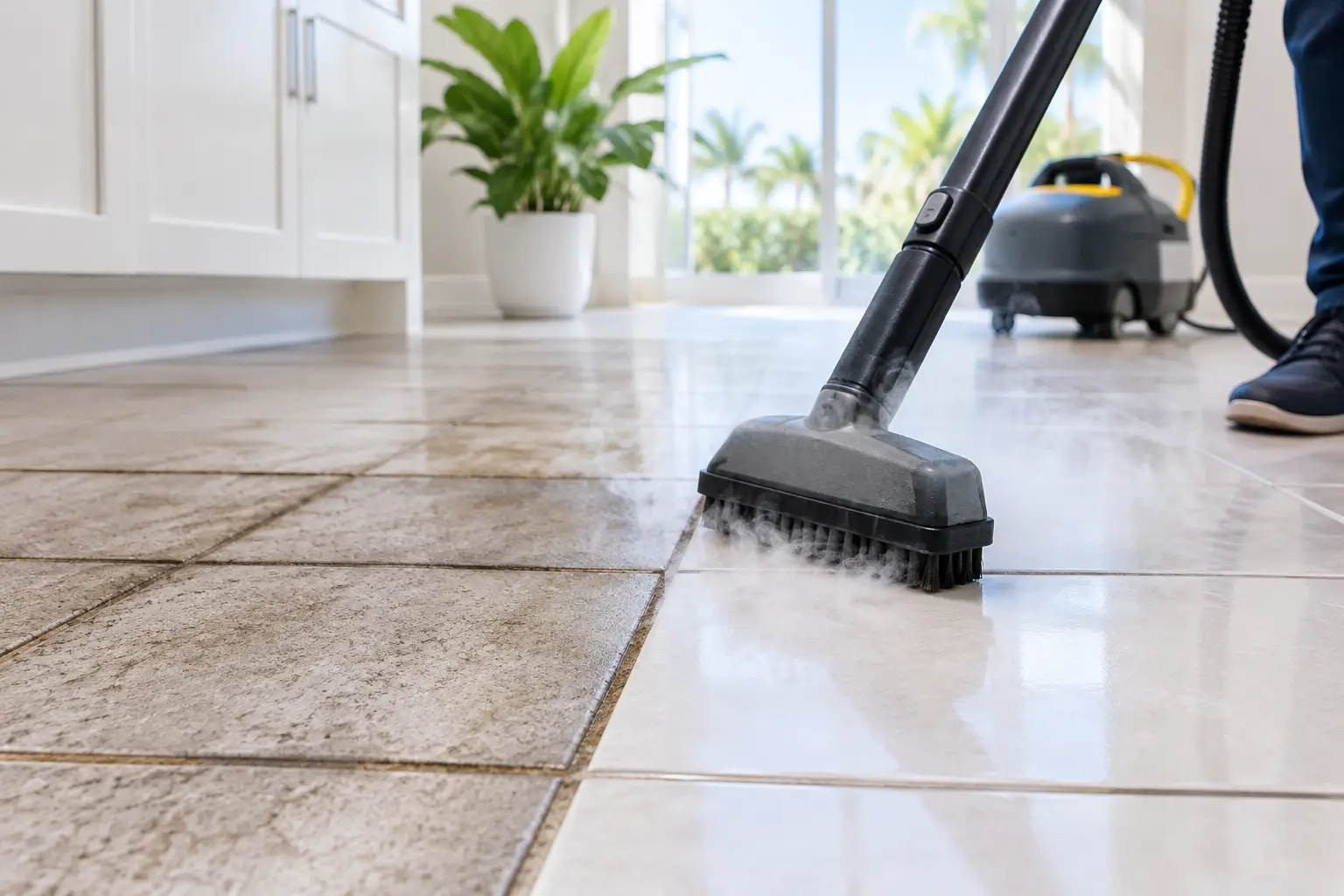
Steam works by delivering heat and moisture into the uneven surface of the grout line. Used with a grout brush or detail attachment, it can loosen oily buildup, dried spills, soap residue, and everyday dirt. The steam does not magically pull every stain out by itself, but it breaks down the bond between grime and grout so the material can be lifted away more effectively.
That makes steam cleaning useful for routine restoration on ceramic and porcelain tile floors, backsplashes, bathroom walls, and many showers. It is especially satisfying on grout that looks gray from normal traffic but is actually much lighter underneath.
The limitation is that grout absorbs more than dirt. If discoloration has been sitting for years, it may be below the surface. Rust, hair dye, cooking oils, minerals, old cleaning-product residue, and mold staining can become embedded. Steam may improve those areas without returning every line to its original color.
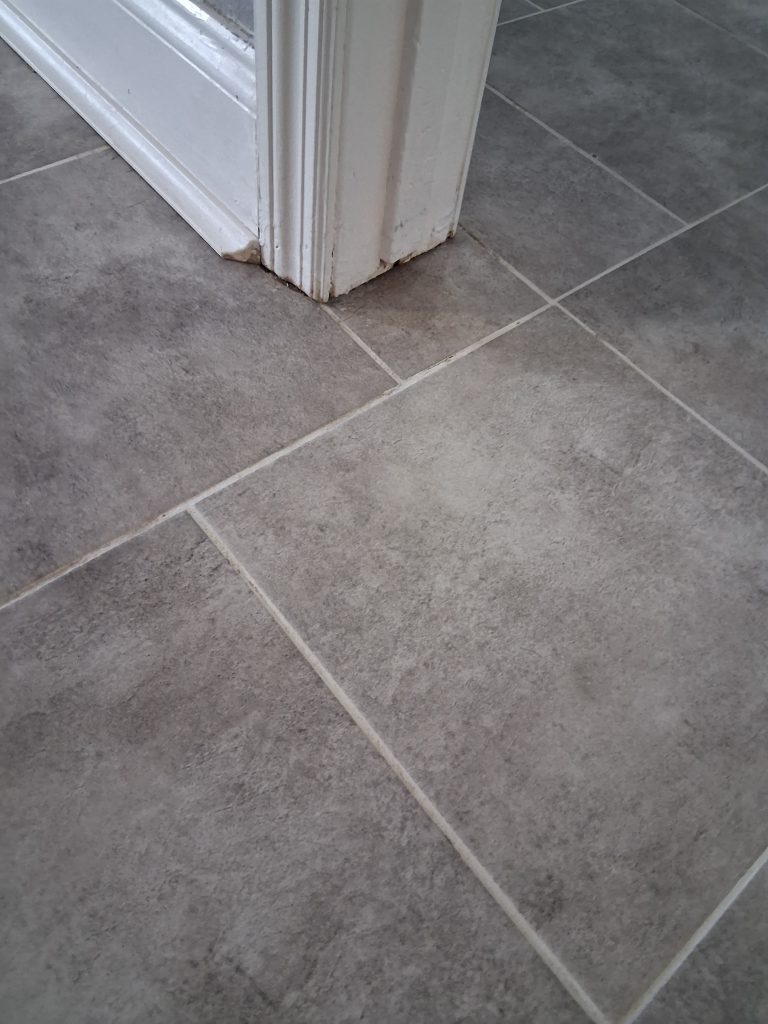
Steam also cannot repair grout that is cracked, missing, crumbling, or permanently discolored. Cleaning reveals the true condition of the grout. Sometimes that means a needed repair, grout recoloring, or sealing is the next sensible step.
What steam is good at removing
A quality steam cleaner can be a helpful maintenance tool when the grout is structurally sound. It performs best on fresh-to-moderate buildup rather than long-neglected stains.
In kitchens and entryways, steam can loosen fine dirt, food residue, and oily film that makes grout dark around high-traffic paths. In bathrooms, it can help remove soap scum and body-oil residue. On a lanai or patio, it may help with light surface dirt, although Central Florida’s humidity, pollen, and outdoor growth can call for more specialized cleaning.
Heat can also reduce odors associated with grime and surface mildew. Still, do not assume a small household steamer has solved a hidden moisture problem. If caulk is failing, grout stays wet, or mold keeps returning in the same shower corner, the source of moisture needs attention too.
Steam does not replace stain treatment
Hard-water scale is a common example. The white, chalky material left by mineral-heavy water may need a tile-safe acidic treatment, used carefully and only on compatible surfaces. Steam alone may soften it, but it often will not fully remove heavy deposits.
Likewise, dark grout caused by absorbed soil may need professional pre-treatment and extraction. The goal is not just to make the top of the line look better. It is to flush out the loosened grime instead of moving it around with a brush or mop.
Is steam cleaning safe for tile and grout?
Usually, steam cleaning is safe for durable ceramic or porcelain tile when done correctly. The biggest concerns are not typically the tile itself but loose grout, damaged caulk, weak sealers, natural stone, and the amount of water left behind.
Avoid holding a concentrated steam nozzle in one place for too long. Excessive heat and pressure can stress worn grout, soften or loosen caulk, and force moisture into damaged areas. Start with the lowest effective setting, keep the tool moving, and wipe away loosened soil as you work.
Natural stone deserves extra caution. Marble, travertine, limestone, and some slate can be more sensitive than porcelain or ceramic. Their finishes, sealers, and surrounding grout may not react well to aggressive heat, brushes, or chemical cleaners used before or after steaming. If you are unsure what tile you have, test a hidden area first.
A sealed grout line is generally easier to clean and less likely to absorb new stains. Steam will not necessarily strip a quality sealer in one use, but repeated high heat can shorten the life of some sealers. That is one reason professional cleaning should be followed by an honest conversation about whether resealing makes sense.
A practical way to steam clean grout at home
If you have a household steam cleaner, work in small sections rather than steaming the entire room at once. Vacuum or sweep first. Steam cannot do its job well when loose sand, pet hair, and crumbs are still on the floor.
Use a nylon grout brush attachment if your machine includes one. Follow the grout line slowly, then immediately wipe the area with a clean microfiber cloth. On floors, a clean mop or wet-dry vacuum can help remove the dirty moisture before it settles back into the grout.
Do not mix steam with bleach or pour harsh chemicals into the machine. Bleach fumes can be irritating, and strong chemicals may damage grout, discolor colored grout, or leave residue that attracts more dirt. If you use a separate cleaner, choose one made for your tile type and rinse it thoroughly according to its instructions.
For a shower, ventilate the room and dry the surfaces afterward. Steam adds moisture, and Orlando bathrooms already deal with high humidity. A clean shower that stays damp for hours can still become a place where mildew returns.
When a professional grout cleaning is the better choice
DIY steam cleaning is reasonable for maintenance and light buildup. It becomes less practical when grout has uneven black staining, persistent odors, heavy grease, years of traffic soil, or stains that reappear after cleaning. It is also a poor fit when a large floor needs attention quickly, such as before listing a home, turning over a rental, or reopening a commercial space.
Professional tile and grout cleaning uses stronger equipment, controlled cleaning solutions, agitation, and high-pressure extraction to loosen and remove soil from grout lines. This matters because cleaning is only half the job. Extraction is what helps carry away the residue that caused the discoloration.
At Dream Clean Orlando, the focus is on visible restoration without unnecessary sales pressure. A technician can assess whether the grout needs cleaning alone, sealing after cleaning, or a color-restoration option when stains are permanent. That is more useful than promising every grout line will look brand-new regardless of its age or condition.
Signs steam alone may not be enough
Consider professional help if the grout remains dark after several careful cleaning attempts, if the floor looks clean only while wet, or if the grout has different colors in high-traffic areas. Shower grout that smells musty, has recurring dark spots, or sits beside failing caulk also deserves a closer look.
For restaurants, salons, offices, and rental properties, regular professional cleaning can be easier on staff and more consistent than asking someone to scrub hundreds of grout lines by hand. Clean tile also changes how a room feels. Bright grout can make a kitchen, bathroom, lobby, or condo entry look cared for again.
Keeping grout cleaner after steaming
Once grout is clean, the best maintenance plan is simple: sweep often, clean spills promptly, use a neutral tile cleaner, and avoid leaving dirty mop water on the floor. In showers, run the exhaust fan, squeegee excess water, and address leaks early.
Sealing clean grout can help slow future staining, though it is not a permanent shield. It still needs routine care, especially in busy Orlando households with kids, pets, pool traffic, and sandy shoes coming in from outside.
Steam cleaning can be a smart first step, and it can deliver a noticeable improvement when the problem is surface buildup. When grout has absorbed years of soil or staining, a professional cleaning can give you a clearer answer and a floor that feels worth showing off again.