Best Grout Sealers for Homes That Last Longer
A tile floor can look clean at first glance and still have grout lines that are absorbing spills, shower residue, and tracked-in soil every day. The best grout sealers for homes are not simply the most expensive bottles on a shelf. They are the products that match your grout type, tile material, room conditions, and the level of traffic your floors actually handle.
For Central Florida homes, that choice matters. Humidity, hard-water deposits, busy kitchens, pool traffic, pets, and daily showers can leave unprotected grout looking dull far sooner than homeowners expect. A quality sealer helps grout resist stains and makes routine cleaning more effective, but it must be applied to a properly cleaned and fully dry surface to do its job.
What Makes the Best Grout Sealers for Homes Effective?
Grout is naturally porous, especially cement-based grout. Those tiny openings hold dirt, oils, moisture, soap scum, and spills. Mopping may clean the tile surface, but it often pushes dirty water across the grout lines without pulling embedded soil out of them.
A good grout sealer fills or lines those pores so contaminants are less likely to penetrate. It does not make a floor maintenance-free, and it will not repair crumbling grout or remove stains already trapped below the surface. What it can do is give your grout a valuable layer of protection and make future cleanups much easier.
The strongest option is usually a penetrating or impregnating sealer. Rather than leaving a noticeable coating on top, it absorbs into porous grout and helps repel water and oil-based messes from within. This is often the best choice for kitchen floors, bathrooms, showers, entryways, and other active areas of the home.
Topical sealers create a protective film near the surface. They can add a temporary barrier, but they may wear unevenly in traffic lanes, become cloudy, or peel if applied incorrectly. For most standard residential tile and grout, a breathable penetrating sealer is the more dependable long-term option.
Match the Sealer to the Room and Surface
There is no single sealer that is perfect for every room. The right product depends on what the grout faces each day and whether the tile itself is porous.
Kitchen tile needs stain resistance
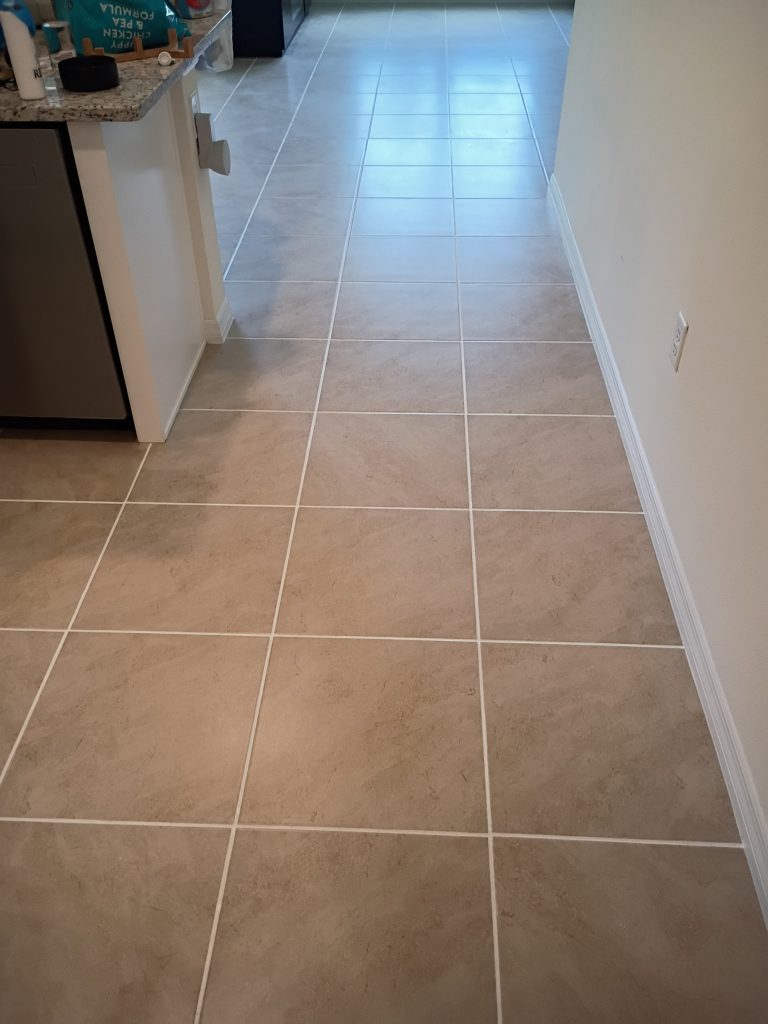
Kitchen grout sees cooking grease, sauces, drinks, pet bowls, and frequent foot traffic. Look for a penetrating sealer rated to resist both water and oil-based stains. This is especially helpful around ranges, islands, dining areas, and exterior doors where dirt and grease can settle into grout lines.
Before sealing, kitchen grout needs a true deep clean. If grease remains in the pores, sealing can lock in the discoloration instead of protecting a clean surface. Professional high-pressure extraction is often the better answer for grout that still looks dark after regular mopping.
Bathrooms and showers need moisture protection
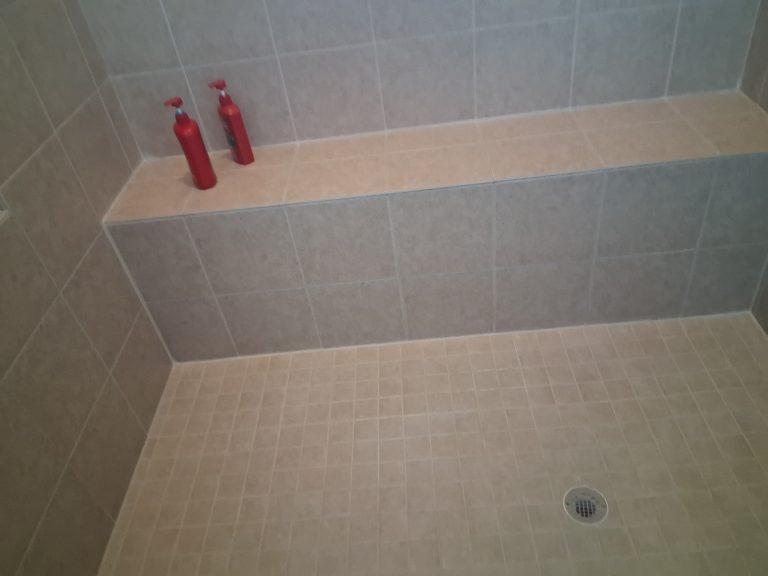
Bathroom floors and shower walls deal with moisture, body oils, soap residue, shampoo, and hard-water minerals. A penetrating sealer can slow absorption and help reduce staining, but it is not a substitute for proper shower ventilation, regular cleaning, or sound grout and caulk.
Shower grout deserves special attention. If grout is cracked, soft, missing, or showing signs of water damage, sealing alone will not solve the problem. The damaged areas should be repaired first, then cleaned, dried, and sealed once the surface is ready.
Natural stone requires more care
Travertine, marble, limestone, slate, and other natural stone can be porous and sensitive to the wrong cleaning products. In these spaces, choose a sealer approved for both the stone and the grout. Avoid acidic cleaners before or after sealing, since they can etch certain stone surfaces and weaken the appearance you are trying to preserve.
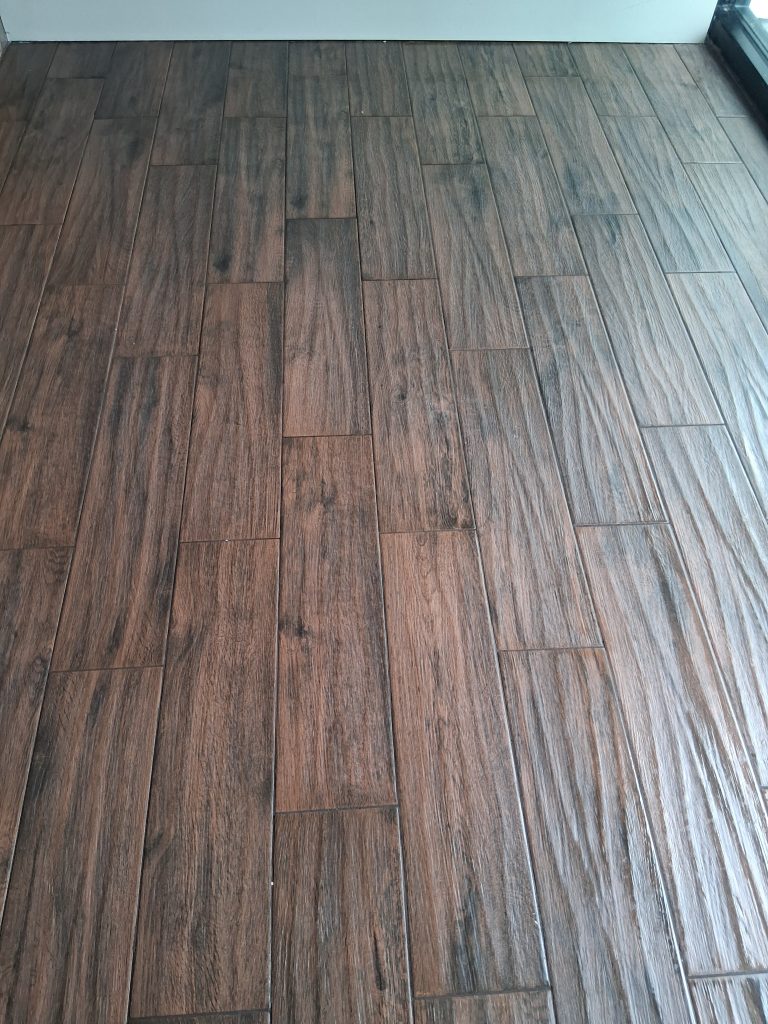
Textured tile also needs careful treatment. Its uneven surface can hold cleaning residue and make sealer application harder to control. A professional can apply the right amount, avoid puddling, and remove excess material before it dries on the tile face.
Clean First, Then Seal
The most common grout sealing mistake is applying sealer over dirty grout. A clear sealer may not change the grout color much, but it can preserve the dirt, soap film, or staining already present in the lines. That leaves homeowners disappointed because the floor is protected but still looks worn.
For lightly soiled grout, a careful cleaning with a neutral-pH tile and grout cleaner may be enough. Rinse thoroughly and allow the grout to dry completely. Drying time varies with humidity, tile type, room ventilation, and how much water was used during cleaning. In Orlando’s humid conditions, rushing this step can keep a sealer from penetrating as intended.
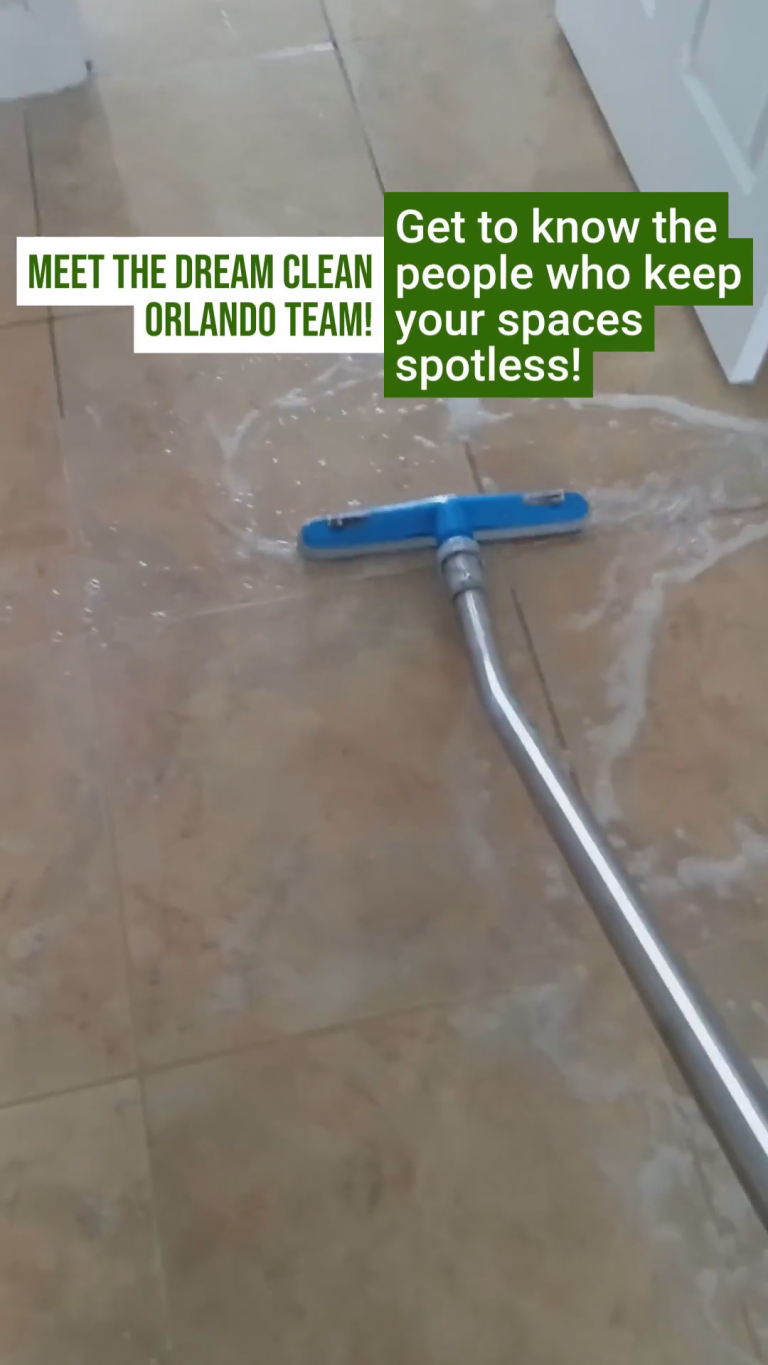
For deeply stained grout, routine cleaners rarely reach far enough. Professional tile and grout cleaning uses industrial-grade solutions, agitation, hot water, and high-pressure extraction to flush out embedded soil. At Dream Clean Orlando, truck-mounted equipment provides maximum heat, pressure, and extraction without leaving the floor soaked in dirty water.
Once the grout is clean and dry, sealing helps preserve that restored appearance. It is one of the best ways to extend the value of a professional cleaning instead of watching stains return quickly.
Clear Sealer or Color Sealer?
Clear penetrating sealer is a good choice when grout is in sound condition and you want to maintain its existing color. It protects without creating a painted look, making it useful for newer grout or grout that has cleaned up well.
Color sealing is different. It applies a durable color coating to the grout lines, covering permanent discoloration and creating a more uniform appearance. It can be a smart option for older floors where the grout has uneven color, stubborn staining, or a dated shade that does not fit the room anymore.
Color sealing is not always necessary. If grout is structurally sound and responds well to deep cleaning, a clear sealer may be the more economical option. But for large rooms with heavily stained grout, color sealing can make tile look dramatically cleaner without the cost and disruption of replacement.
How Long Does Grout Sealer Last?
A quality penetrating grout sealer may last from one to several years, but the real answer depends on traffic, cleaning habits, and location. A guest bathroom floor may hold up for years. A busy family kitchen, main shower, rental property, or commercial restroom will likely need attention sooner.
Harsh cleaners can shorten a sealer’s life. Bleach-heavy products, acidic cleaners, and abrasive powders may damage grout or strip protective performance over time. A neutral-pH cleaner and regular dry mopping or vacuuming will help keep grit from wearing down both grout and sealer.
A simple water test can indicate when protection is fading. Place a few drops of water on a clean grout line. If the water beads for a short time, the sealer may still be working. If it darkens and absorbs quickly, the grout may be ready for cleaning and resealing. This is only a general check, not a substitute for inspecting grout condition, cracks, or persistent staining.
When Professional Grout Sealing Is Worth It
DIY sealing can work on a small, clean area when the homeowner has time for careful preparation and application. The trade-off is that grout lines take patience. Missing sections, applying too much product, failing to remove residue from tile, or sealing before the grout dries can reduce the benefit.
Professional sealing is especially worthwhile after deep cleaning, in large tiled areas, on natural stone, and in showers or high-traffic rooms. A trained technician can identify whether the grout needs cleaning, repair, clear sealing, or color sealing before work begins. That protects homeowners from spending money on a product that cannot solve the underlying issue.
If your tile still looks tired after mopping, do not assume replacement is the only answer. Clean, restored, and properly sealed grout can bring a kitchen, bathroom, or living area back to life while helping protect the flooring you already own.