Grout Sealer Types Comparison for Florida Tile
A floor can look clean on Monday and show dark grout lines again by Friday. In Central Florida, humidity, wet shoes, shower moisture, cooking grease, and daily traffic all work their way into unprotected grout. This grout sealer types comparison explains what each option actually does, where it works best, and why the right choice starts with a properly cleaned surface.
Grout is porous, especially cement-based grout. Routine mopping cleans the tile face but often pushes dirty water across the grout lines, where soil and moisture can settle below the surface. A quality sealer helps slow that absorption. It does not make grout indestructible or eliminate cleaning, but it can make everyday maintenance far more manageable.
Grout Sealer Types Comparison: The Three Main Options
Most homeowners and property managers will encounter penetrating sealers, topical sealers, and color sealers. They are not interchangeable. The best product depends on the grout’s condition, the room, the traffic level, and whether the goal is invisible protection or a visible restoration.
Penetrating or impregnating grout sealer
Penetrating sealers are the most common choice for grout that is still in good shape and has been professionally cleaned. Rather than leaving a thick coating on top, the sealer soaks into the pores of the grout and creates a barrier that helps repel water, oils, and everyday spills.
This is usually the right direction for kitchen floors, entryways, living areas, and bathroom tile where homeowners want the grout to keep its natural appearance. Because the protection is inside the grout instead of sitting heavily on the surface, there is less risk of peeling or a plastic-looking finish.
The trade-off is that penetrating sealer is invisible. It will not cover permanent discoloration, repair missing grout, or turn blotchy lines back to one uniform color. It also needs a clean, dry surface to perform well. Applying it over embedded soil can trap the existing appearance in place and limit how well the sealer penetrates.
For busy households, a quality penetrating sealer is often a practical long-term investment. Spills have more time to be wiped up before staining, and regular cleaning is less likely to drive grime deep into the grout.
Topical grout sealer
Topical sealers form a protective film on the surface. Some are designed to add a slight sheen or enhance the color of the material beneath them. They are more commonly used on certain tile, stone, or specialty surfaces than on standard floor grout.
On grout lines, topical products can be a mixed bag. The surface film may provide noticeable short-term protection, but it can wear unevenly in high-traffic paths. If moisture gets underneath a failing coating, the result can be flaking, peeling, cloudiness, or a patchy look that is difficult to correct.
That does not mean topical products never have a place. A compatible product may be useful for a specific surface or a low-traffic decorative area. Still, homeowners should be careful with do-it-yourself applications, especially in showers and on heavily used floors. The wrong coating can create more restoration work later.
Before any topical sealer is used, the tile material matters as much as the grout. Natural stone, textured tile, and glazed porcelain all react differently. A product that looks fine on a small test area may not hold up the same way across an entire kitchen or bathroom.
Grout color sealer
Color sealer is both a protective coating and a restoration option. It is applied directly to the grout lines to create a consistent new color while helping protect the grout from future stains, moisture, and soil buildup.
For grout that is permanently stained, uneven, or impossible to brighten with cleaning alone, color sealing can be a smarter alternative to regrouting. It can transform aged beige grout into a cleaner, more uniform shade or change the color completely to better match an updated room.
This option is especially useful in rental properties, restaurant floors, bathrooms, and high-traffic homes where grout has years of discoloration. Instead of accepting dark traffic lanes or mismatched repaired sections, color seal can create a finished appearance that looks intentional.
The trade-off is preparation. Color sealer must be applied carefully and evenly, and the grout needs to be cleaned, repaired, and fully prepared first. Loose or cracked grout should be addressed before sealing. The tile also has to be compatible with the process, particularly when working with porous natural stone or heavily textured surfaces.
Water-Based vs. Solvent-Based Sealers
You may also see grout sealers described as water-based or solvent-based. This is not a separate category from penetrating or topical sealer. It describes the formula carrying the protective ingredients.
Water-based products are popular for occupied homes because they generally have lower odor and are easier to work with. Modern water-based penetrating sealers can provide strong protection when applied correctly. They are often a good fit for kitchens, bathrooms, and family homes where customers want a lower-odor solution.
Solvent-based formulas may penetrate very dense materials effectively and can perform well in certain demanding applications. However, they can have stronger fumes and require careful ventilation and handling. The best choice is not automatically the strongest-smelling or most expensive product. It is the one that matches the grout, tile, use of the room, and manufacturer requirements.
How to Choose the Right Sealer for Each Room
A shower and a kitchen floor do not face the same problems. Shower grout deals with repeated moisture, soap residue, body oils, and hard-water minerals. Kitchen grout often takes grease, food spills, pet traffic, and tracked-in dirt. Commercial floors may face constant foot traffic and frequent cleaning chemicals.
For sound grout in a kitchen, hallway, or living area, a penetrating sealer is commonly the most practical choice. It protects without changing the grout color and makes routine cleanup easier.
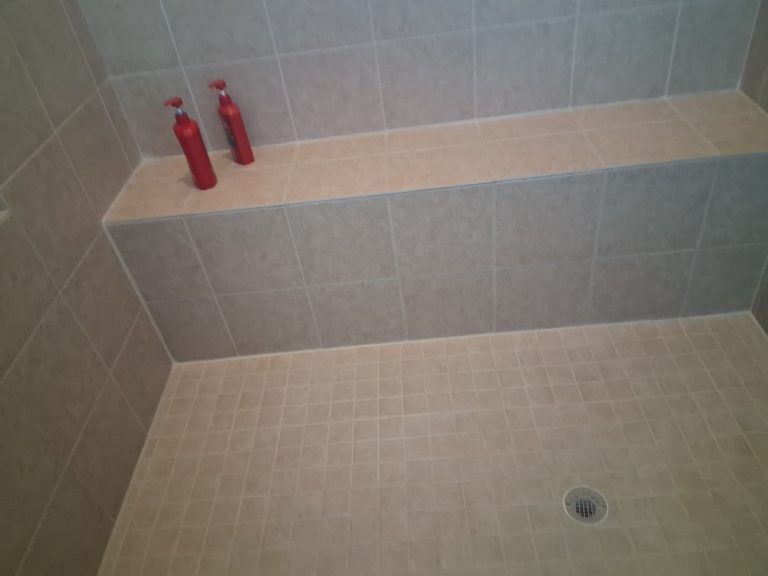
For a shower, proper cleaning and grout repair come first. Sealer can help reduce absorption, but it cannot solve a leaking shower pan, failing caulk, loose tile, or chronic ventilation problem. If mildew or dark staining returns quickly, the issue may be moisture behind or beneath the surface rather than a missing sealer.
For visibly stained grout that has not responded to deep cleaning, color sealing may provide the best value. It delivers a more uniform result than repeatedly trying stronger cleaners, which can wear down grout over time.
In commercial settings, appearance and maintenance costs both matter. A restaurant, apartment complex, office, or medical facility may benefit from a sealer strategy that accounts for traffic patterns, cleaning schedules, and the need for consistently presentable floors.
Preparation Is What Makes Sealing Last
Sealer is only as good as the surface beneath it. Applying a quality product over oily kitchen grout, soap-coated shower walls, or dirty floor lines is like painting over dust. The product may sit on the surface, fail to bond, or seal in the discoloration customers hoped to remove.
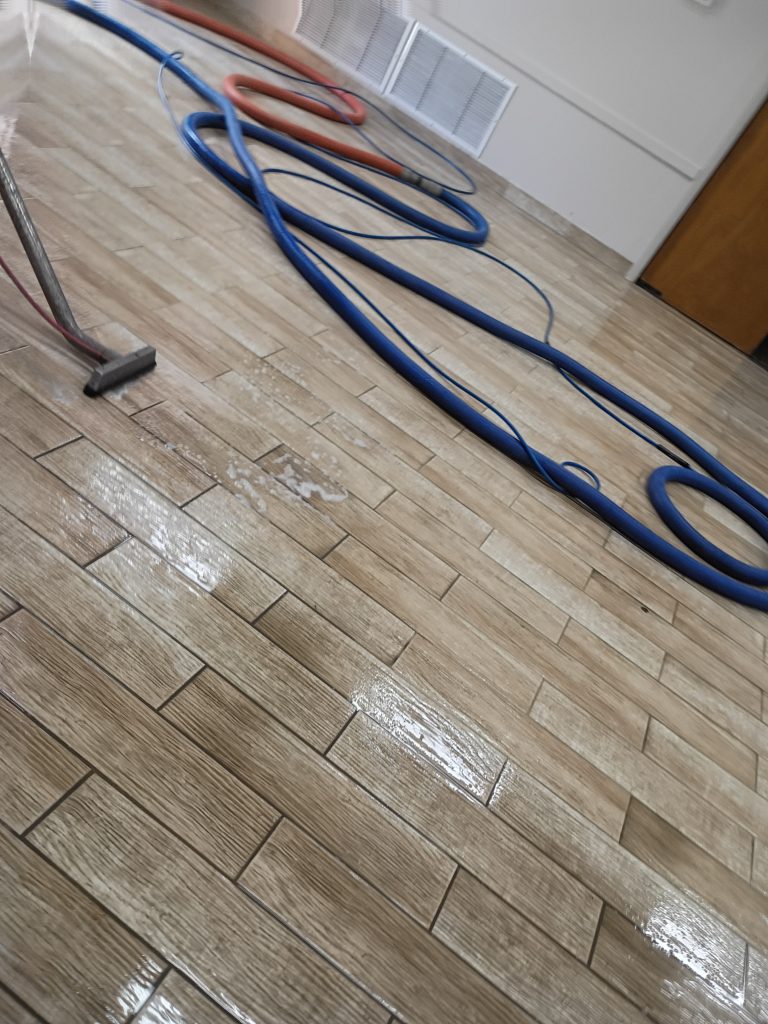
Professional restoration begins by flushing contaminants from the grout lines. At Dream Clean Orlando, truck-mounted steam cleaning, high-pressure extraction, and industrial-grade cleaning solutions are used to lift embedded soil that mopping leaves behind. The goal is not simply to make the tile look better for a day. It is to prepare the grout so protective sealer can do its job.
Dry time also matters. Grout needs to be dry enough for the selected product. Rushing this step can interfere with penetration and leave uneven results. In humid Central Florida conditions, that timing deserves extra attention.
What Sealer Can and Cannot Do
A good sealer helps grout resist staining and moisture absorption. It can reduce how quickly spills soak in, support easier maintenance, and extend the clean appearance achieved through professional service. It may also help protect an investment in tile flooring that would otherwise require more frequent deep cleaning.
It cannot repair structural problems. Sealer will not fix cracked grout, hollow tile, deteriorated caulk, water damage, or grout that has already washed away. It also cannot replace sensible cleaning habits. Use pH-appropriate cleaners, avoid harsh acids and bleach unless the surface manufacturer specifically approves them, and clean spills before they have time to set.
A Better Way to Protect Restored Tile
The cheapest bottle on a store shelf is not always the least expensive option. A mismatched or poorly applied sealer can leave residue on tile, fail early, or create a restoration issue that costs more to correct. For many Central Florida homes and businesses, the better approach is to first determine whether the grout needs cleaning, repair, clear protection, or color restoration.
When your floors still look dull after mopping or your grout has become a permanent-looking shade of gray, start with an honest evaluation of the surface. Clean grout gives every sealer a fair chance to work, and the right sealer helps keep that restored result looking like it belongs in your home or business.