Ceramic Tile Care Guide for Cleaner Floors
Ceramic tile is built to handle busy homes, wet bathrooms, kitchen spills, and commercial foot traffic. But when a floor still looks dingy after mopping, the problem usually is not the tile itself. It is the soil, residue, and moisture collecting in the grout lines and textured areas around it. This ceramic tile care guide explains how to keep ceramic tile looking cleaner between professional services without using methods that can leave floors dull or grout harder to maintain.
Start With the Difference Between Tile and Grout
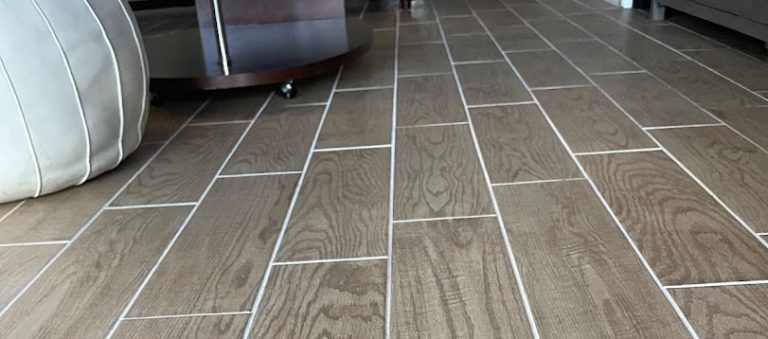
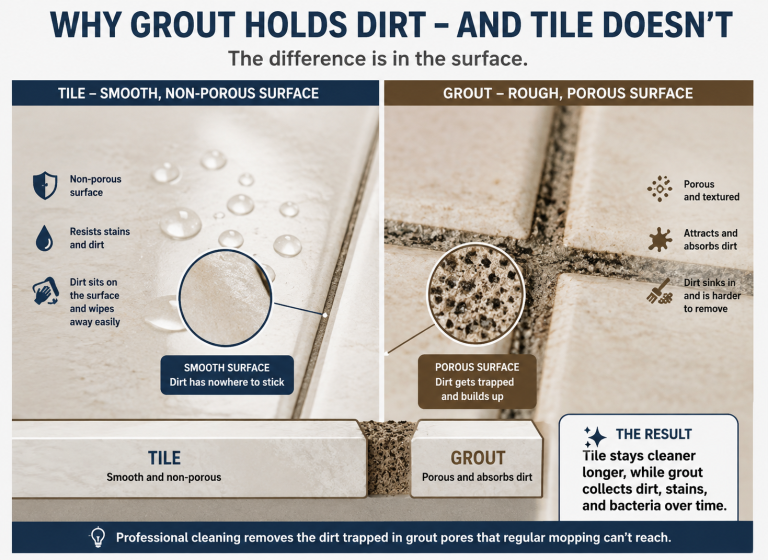
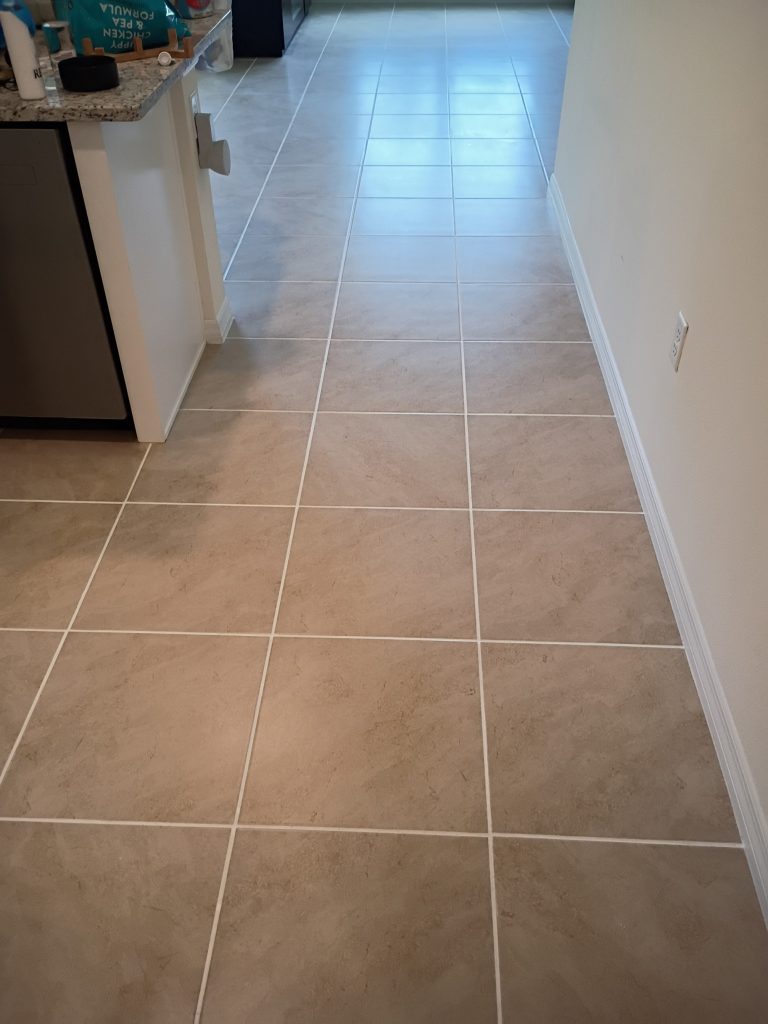
Ceramic tile has a hard glazed surface that resists many everyday stains. Grout is different. Most grout is cement-based, porous, and lower than the tile surface, making it a natural collection point for dirt, grease, soap residue, and moisture. A white or light-colored grout line can look gray or brown long before the tile itself appears dirty.
That difference matters when choosing cleaning products. A cleaner that is safe for glazed ceramic tile may still leave residue in grout, while harsh chemicals can weaken grout over time or strip away a protective sealer. The goal is not to use the strongest product available. It is to remove soil effectively, rinse thoroughly, and keep moisture from sitting where it does not belong.
In Central Florida, humidity also adds another concern. Bathrooms and showers can develop soap buildup, mildew staining, and hard-water deposits quickly when ventilation is limited. Kitchen floors often hold fine grease that transfers from cooking areas and then traps dust under regular mop water.
A Ceramic Tile Care Guide for Weekly Cleaning
For most homes, dry soil removal should come before wet mopping. Sweep with a soft broom, vacuum using a hard-floor setting, or use a dry microfiber pad to remove sand, pet hair, crumbs, and loose grit. This small step helps prevent the fine scratching that can gradually make tile look less bright.
After dry cleaning, mop with warm water and a pH-neutral cleaner made for tile floors. Use a microfiber mop rather than a soaking-wet string mop. Too much water pushes dirty cleaning solution into grout lines and corners, where it can dry into a film. Change the mop water when it turns cloudy instead of spreading the same soil across the floor.
A good weekly routine is simple: remove loose debris, clean with a mild solution, and allow the surface to dry. High-traffic areas such as entryways, hallways, kitchens, and dining spaces may need attention more often. Commercial spaces, rental turnovers, and homes with children or pets often benefit from spot cleaning throughout the week rather than waiting for one heavy cleaning day.
Treat Spills Before They Reach the Grout
Ceramic tile is forgiving, but grout can absorb spills if they sit too long. Wipe up cooking oil, coffee, wine, pet accidents, makeup, and bathroom products promptly with a clean cloth and mild cleaner. Rinse the area with clean water and dry it when possible.
Avoid scrubbing one small spot aggressively with a stiff brush. Repeated hard scrubbing can roughen grout, remove sealant, and create an uneven-looking patch. A soft nylon brush is usually enough for a fresh spill. If staining remains after normal cleaning, it may be below the surface rather than something more elbow grease will solve.
What Not to Use on Ceramic Tile and Grout
Many floor problems start with products that seem helpful at first. Oil soaps, waxes, and some all-purpose cleaners can leave a sticky film that attracts more dirt. The floor may feel clean immediately after mopping, then look cloudy again within days.
Avoid using harsh acidic products on cement-based grout unless a trained professional has confirmed they are appropriate. Acid can damage grout, especially when used repeatedly, and it is not a reliable answer for deep discoloration. Bleach can also be a poor long-term solution. It may lighten some surface stains, but frequent use can weaken grout and does not remove the embedded soil causing the color change.
Steam mops deserve a little caution as well. They can be useful on some ceramic tile installations, but they are not right for every floor. Older grout, cracked grout, loose tile, failed caulk, and certain sealers can be affected by repeated high heat and moisture. Check the tile and grout condition first, and do not assume a consumer steam mop offers the same controlled cleaning and extraction as professional equipment.
Keep Bathrooms and Showers From Building Up
Bathroom tile needs a different routine than a living room floor. Soap, shampoo, body oils, hard water, and humidity create layers that regular shower spray cannot always remove. The fastest way to reduce buildup is to use a squeegee or microfiber towel on shower walls and glass after use. It takes less than a minute and keeps water spots from becoming a larger cleaning project.
Run the bathroom exhaust fan during showers and for a while afterward. If grout stays dark, feels damp, or shows recurring mildew spots, look beyond the surface. Poor ventilation, leaking fixtures, cracked grout, or failing caulk can allow moisture to keep returning. Cleaning is useful, but it cannot permanently correct a moisture problem that has not been repaired.
For shower floors, clean gently and rinse well. Residue from body wash and conditioner can make textured tile slippery and leave grout looking darker than the surrounding walls. Skip waxy products that promise shine. In wet areas, a clean, non-slip surface matters more than a temporary gloss.
Protect Grout With Proper Sealing
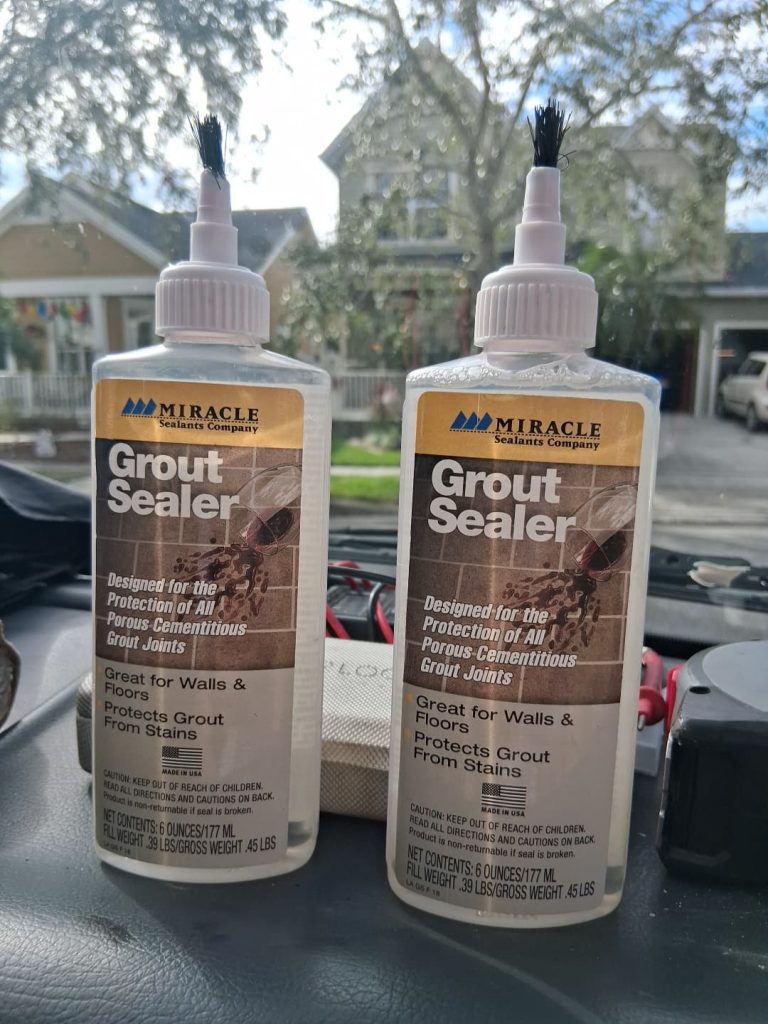
Grout sealing is one of the most practical ways to make ceramic tile easier to maintain. A quality penetrating sealer helps slow the absorption of spills, soil, and moisture. It does not make grout completely stain-proof, and it does not replace routine cleaning, but it gives you more time to wipe up a mess before it becomes embedded.
Sealer should be applied only after the grout is thoroughly cleaned and dry. Sealing over dirty grout can lock in discoloration and make future restoration more difficult. The right timing depends on the location, traffic level, grout condition, and previous products used on the floor. A kitchen used every day and a lightly used guest bathroom will not need the same maintenance schedule.
Color sealing can be a stronger restoration option when grout is permanently stained, blotchy, or impossible to return to an even color with cleaning alone. This process coats grout with a durable colorant and protective layer, improving consistency while helping resist future staining. It is often a smart alternative to full grout replacement when the grout is structurally sound.
Know When Mopping Is No Longer Enough
Routine mopping removes surface dust and fresh spills. It cannot reliably pull embedded soil from deep grout pores or flush heavily soiled grout lines. If your tile looks dull right after cleaning, grout stays dark around the edges, or mop water becomes dirty almost immediately, it may be time for professional deep cleaning.
Other signs include slippery kitchen tile, sticky residue, hard-water scale in showers, lingering odors near grout, and uneven grout color across traffic paths. Landlords and property managers may notice these issues most clearly during move-out inspections, when clean-looking tile reveals years of accumulated grime once furniture and rugs are removed.
Professional restoration is also the safer route for cracked grout, missing grout, loose tile, damaged caulk, natural stone mixed with ceramic tile, or heavily textured surfaces. Different materials and conditions require different solutions. Using the wrong chemical or too much pressure can turn a cleaning project into a repair project.
What Professional Tile and Grout Cleaning Changes
Professional tile cleaning is designed to remove the soil a mop leaves behind. At Dream Clean Orlando, truck-mounted steam-cleaning equipment, industrial-grade solutions, high-pressure cleaning, and extraction work together to flush grime from grout lines rather than simply moving it across the floor. The extraction step matters because it removes the loosened soil and moisture instead of leaving dirty residue behind.
A trained technician can also identify whether a floor needs cleaning alone, grout sealing, color sealing, grout repair, or attention to failing shower caulk. That clear service scope helps homeowners and facility managers avoid paying for unnecessary replacement when restoration can bring the surface back to life.
For restaurants, offices, apartments, retail spaces, and medical facilities, scheduled hard-surface care also supports a cleaner appearance between daily janitorial visits. Professional cleaning cannot stop traffic, spills, or Florida humidity, but it can reset the floor and make regular maintenance more effective.
Ceramic tile can serve a property for many years when the grout receives the same attention as the tile. Keep your routine gentle, clean spills before they settle, and address deep discoloration before it becomes the new normal. When your floors need more than a mop can deliver, a professional inspection can help protect the surface you already invested in.