
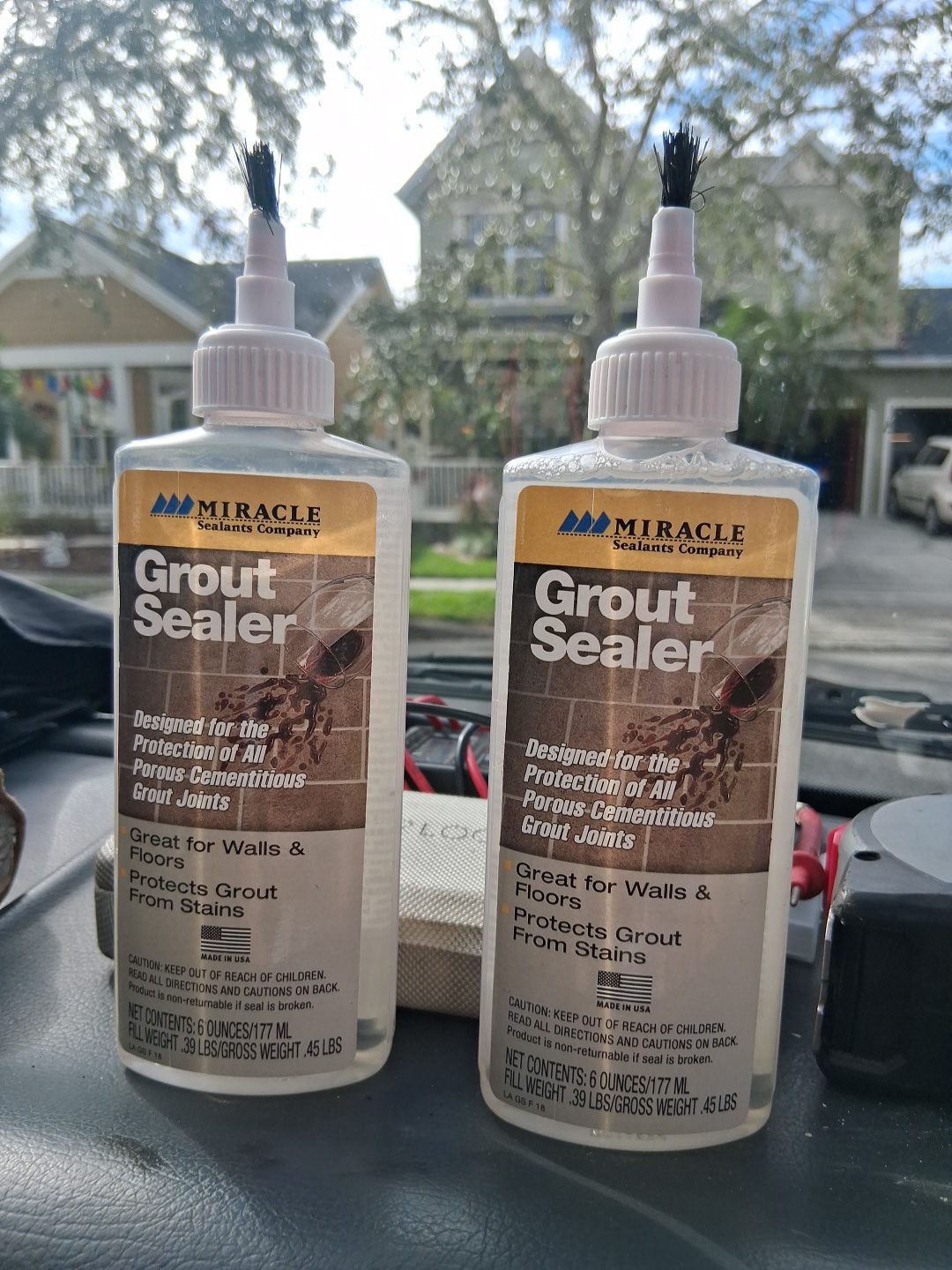
How Long Does Grout Sealer Last in Florida?
A newly cleaned tile floor can look dramatically better, but the real question is how long it will stay that way. How long does grout sealer last? For most homes, a quality penetrating grout sealer protects grout for about one to three years. In busy kitchens, entryways, showers, rental properties, and commercial spaces, it may need attention sooner.
The honest answer depends on the grout, the sealer, the surface location, and how the area is cleaned. Sealer is not a permanent force field. It is a protective treatment that slows down the absorption of spills, oils, soap residue, and everyday soil so grout is easier to maintain and less likely to stain.
How Long Does Grout Sealer Last on Floors and Showers?
A professionally applied penetrating sealer commonly lasts one to three years on interior tile floors. Low-traffic guest bathrooms or lightly used rooms may stay protected longer. A family kitchen with pets, kids, frequent cooking, and regular foot traffic can wear through that protection closer to the one-year mark.
Showers are a different situation. Constant moisture, body oils, shampoo, soap film, hard-water minerals, and cleaning products put grout under more pressure than most floors. Shower grout often benefits from inspection and resealing every six to 18 months, depending on use and ventilation.
Commercial grout can require a more frequent maintenance schedule. Restaurant kitchens, apartment common areas, medical facilities, retail entrances, and office restrooms see heavier traffic and more routine cleaning. The right schedule is based on the condition of the grout, not just the calendar.
Typical grout sealer life by area
A reasonable expectation for properly cleaned and sealed grout is:
- Low-traffic interior floors: two to three years
- Kitchens, halls, and active family areas: one to two years
- Bathrooms outside the shower: one to two years
- Shower walls and floors: six to 18 months
- High-traffic commercial tile: six months to one year
These are working ranges, not guarantees. A good sealer can last longer under ideal conditions, while a poor installation, aggressive cleaning, or constant moisture can shorten its life quickly.
What Determines How Long Grout Sealer Lasts?
The first factor is the type of grout. Traditional cement-based grout is porous, which means it can pull in moisture and stains unless it is protected. It is the grout type that most often needs sealing. Epoxy grout is much less porous and typically does not require a standard penetrating sealer. Some newer premixed or high-performance grouts also have built-in stain resistance, so it is worth confirming the grout type before applying any product.
The quality of preparation matters just as much as the sealer itself. Sealing over dirty grout can trap existing discoloration beneath the protective layer. It may also keep the sealer from bonding evenly. Before sealing, grout should be deeply cleaned, thoroughly rinsed, and given enough time to dry.
This is why routine mopping does not always prepare grout for sealing. A mop can spread dirty water across the tile surface and leave residue in recessed grout lines. Professional tile and grout cleaning uses heat, pressure, specialized solutions, and extraction to flush embedded soil from those lines before protection is applied.
Traffic and moisture also make a major difference. Sand and grit brought in from outside act like fine abrasives on floor surfaces. Cooking grease can settle into kitchen grout. In bathrooms, moisture and soap residue build layer by layer. Central Florida’s humidity can add another challenge, especially in showers and poorly ventilated bathrooms where grout stays damp longer.
Finally, cleaning habits can either preserve or strip the sealer. Strong acidic cleaners, bleach-heavy products, abrasive powders, and stiff scrub brushes may damage grout or wear down its protective treatment. More product is not always better. A pH-neutral tile cleaner and regular dry soil removal are usually safer choices for sealed grout.
Signs Your Grout Needs to Be Resealed
You do not need to guess whether your sealer is still working. Watch for changes in how the grout handles water and dirt.
The simplest check is a small water test. Place a few drops of water on a clean, dry grout line. If the water beads up and remains on the surface for several minutes, the protection is likely still doing its job. If the water darkens the grout quickly or absorbs right away, it is time to consider resealing.
Other signs include grout that looks dirty again soon after cleaning, dark traffic paths in hallways, recurring stains around a toilet or kitchen sink, and shower grout that holds water or develops soap buildup more quickly than usual. These signs do not always mean the grout is damaged, but they do mean it is becoming more vulnerable.
Do not mistake cracked, missing, loose, or crumbling grout for a simple sealing issue. Sealer cannot repair failed grout or stop water from getting behind tile. Those areas should be repaired first, especially in a shower where water intrusion can lead to much larger problems.
Penetrating Sealer vs. Color Sealing
Traditional clear penetrating sealer soaks into porous grout and helps repel water and staining agents without changing the grout’s appearance. It is a good choice when the grout is in good shape and you want to preserve its existing color. Its trade-off is that it wears over time and needs periodic reapplication.
Grout color sealing is a restoration option for grout that is permanently stained, uneven in color, or difficult to keep looking clean. Rather than simply soaking into the grout, color seal creates a durable colored protective layer that refreshes the grout’s appearance while making it more resistant to stains. When professionally prepared and maintained, color sealing can last several years, often longer than a basic clear sealer.
Color seal is not the right answer for every surface. It requires careful cleaning, sound grout, proper repairs, and detailed application so the product stays in the grout joints rather than coating the tile. It is especially useful when replacement is being considered only because the grout looks worn out.
How to Help Sealed Grout Last Longer
The best maintenance plan is simple and consistent. Vacuum or sweep floors regularly so abrasive grit does not get ground into grout lines. Clean spills promptly, especially cooking oil, coffee, wine, pet accidents, and products that can leave dyes behind.
For routine washing, use a cleaner made for tile and grout or a mild pH-neutral option. Avoid soaking floors with excessive water, and do not rely on harsh chemicals to solve recurring discoloration. In showers, use ventilation, squeegee excess water from tile when practical, and address soap film before it becomes a heavy layer.
If grout already looks dark despite regular cleaning, adding another coat of sealer is rarely the first step. The grout needs to be cleaned deeply first. Applying protection over soil, mineral buildup, or residue can leave uneven results and make future restoration harder.
Professional Cleaning Makes Resealing More Effective
A proper seal begins with a clean surface. At Dream Clean Orlando, tile and grout restoration is designed to remove the embedded soil and residue that everyday mopping leaves behind. Truck-mounted steam cleaning, high-pressure grout-line flushing, and extraction help restore the grout before a protective sealer is applied.
That process is valuable for homeowners who want to protect a kitchen or bathroom investment, as well as property managers and facility teams trying to maintain clean, presentable floors without replacing tile prematurely. The goal is not just brighter grout on service day. It is a surface that is easier to keep clean afterward.
If water is soaking into your grout, stains return quickly, or your shower still looks dull after scrubbing, it is worth having the grout evaluated before the problem gets worse. Clean, dry, properly sealed grout gives your tile the protection it needs to keep looking cared for between professional cleanings.
2 Comments