Is Grout Sealing Orlando FL Worth the Cost?
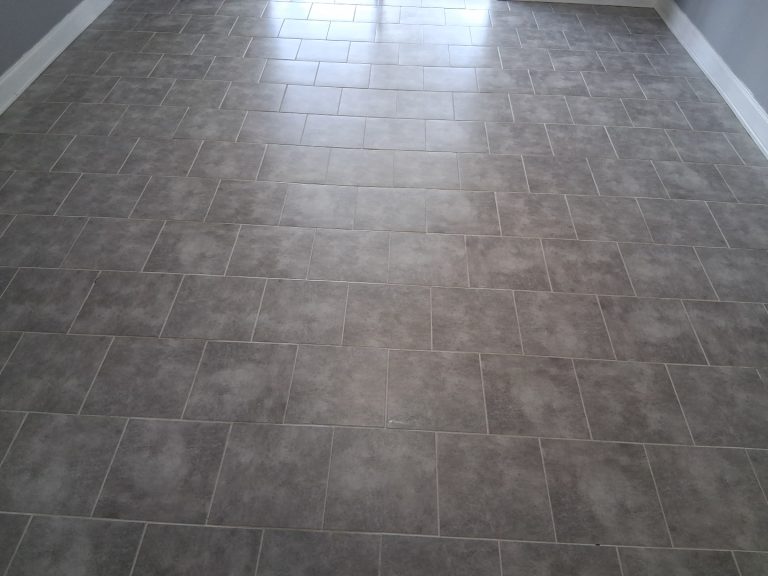
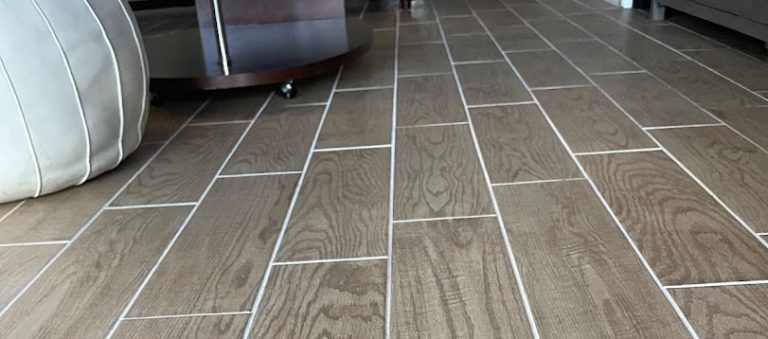
A tile floor can look clean from across the room and still have grout lines that are quietly absorbing moisture, grease, soap residue, and tracked-in soil. That is why grout sealing Orlando FL is more than a finishing touch after a cleaning appointment. It is a practical way to help protect the grout you have already paid to restore, especially in Central Florida homes and businesses where humidity, pool traffic, wet shoes, and busy kitchens put hard surfaces to work.
Grout is naturally porous. Unlike glazed tile, it can soak up spills and buildup quickly, which is why a light-colored kitchen floor or shower wall may begin to look dark, uneven, or permanently stained even with regular mopping. Proper cleaning followed by the right sealer helps slow that process down and makes routine maintenance far more manageable.
What grout sealing actually does
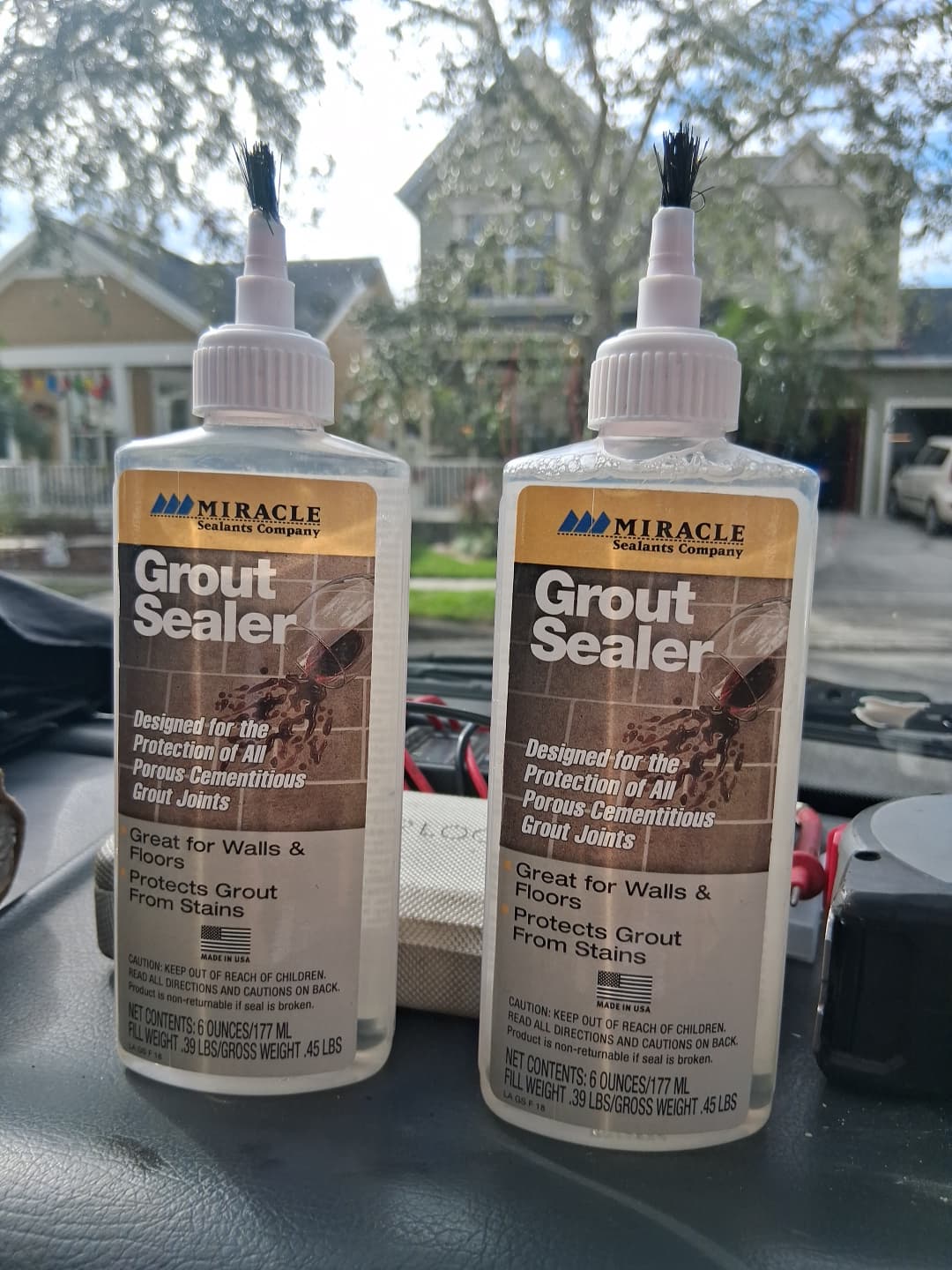
A quality grout sealer penetrates or coats the grout lines to reduce how easily they absorb water, oils, and stains. It does not make a floor indestructible, and it does not replace normal cleaning. What it does is create valuable time to wipe up a spill before it becomes part of the grout.
For homeowners, that can mean less frustration with kitchen grease, muddy pet paws, bathroom residue, and everyday foot traffic. For landlords and property managers, sealed grout can make unit turnovers easier and help tile stay presentable between tenants. In commercial settings, it supports a cleaner appearance in restrooms, entryways, break rooms, dining areas, and other high-use spaces.
The biggest benefit is maintainability. When grout is professionally cleaned and sealed, routine mopping removes more surface soil instead of repeatedly pushing dirty water into open pores. Floors tend to hold their restored appearance longer, provided the cleaning method is appropriate for the tile and sealer.
Why Orlando floors need extra protection
Orlando-area tile often sees more moisture than flooring in a dry climate. Shower steam, humidity, rain, pool use, and frequent indoor-outdoor traffic all increase the chance of moisture and soil settling into grout lines. A bathroom can develop soap scum and hard-water buildup, while a kitchen may collect cooking oils that leave grout dark and sticky over time.
Porcelain and ceramic tile are common choices because they are durable, but the grout between them remains the vulnerable point. Textured tile can also trap dirt along its surface, making the surrounding grout look worse faster. Natural stone, travertine, and other sensitive materials require even more care because the wrong cleaner or sealer can affect the finish.
Sealing is especially useful after professional restoration. If deep cleaning has removed years of embedded discoloration, leaving the grout unprotected can allow the same staining cycle to start again. Protecting freshly cleaned grout helps preserve the visible improvement.
When grout should be sealed
New grout should generally be allowed to cure fully before sealing. The exact curing period depends on the grout product and installation conditions, so following the installer or manufacturer guidance matters. Sealing too early can trap moisture and interfere with proper curing.
Existing grout should be sealed after it has been thoroughly cleaned, rinsed, and dried. Applying sealer over dirty grout does not remove stains or sanitize the surface. It can lock in discoloration and leave the floor looking uneven beneath the protection.
A simple water test can offer a clue about whether older grout is still protected. Place a few drops of water on a clean grout line. If the water quickly darkens the grout or absorbs instead of beading briefly on the surface, the protection may be worn down. This is only a screening step, not a complete diagnosis. Grout can fail in isolated high-traffic areas while remaining protected elsewhere.
Showers, kitchen backsplashes, bathroom floors, entryways, and restaurant tile generally need more frequent attention than a low-traffic guest room. The right resealing schedule depends on traffic, cleaning habits, the type of grout, exposure to water and oils, and the kind of sealer previously applied.
Clear sealer or grout color sealing?
Clear sealing is the right choice when the grout has been cleaned successfully and its current color is still desirable. It protects the grout while keeping its natural appearance. This is often a good fit for tile floors that have mild staining or newer grout that needs preventive protection.
Grout color sealing is a restoration option for grout that is permanently stained, faded, blotchy, or impossible to return to an even shade through cleaning alone. A color sealer applies a consistent new color while also providing protection. It can give an older floor a much more uniform look without the cost and mess of replacing the tile.
There is a trade-off. Color sealing is more involved than applying a clear penetrating sealer, and preparation matters greatly. The grout must be cleaned and stable first. Cracked, loose, missing, or failing grout should be repaired before any protective coating is applied.
Why professional preparation makes a difference
Store-bought grout sealers can help in limited situations, but they are not always the best answer for large rooms, heavily soiled floors, or shower tile with years of buildup. The result depends less on the bottle and more on what happens before sealing.
Professional grout restoration starts with evaluating the tile, grout condition, existing coatings, and type of soil. A floor with kitchen grease needs a different approach than a shower with soap film and mineral deposits. Sensitive stone and travertine also require products and techniques chosen specifically for their surface.
Dream Clean Orlando uses professional-grade solutions along with truck-mounted steam cleaning, high pressure, and extraction to flush soil from grout lines instead of simply spreading it across the floor. After the surface is properly cleaned and dried, the sealer can bond and perform as intended. That preparation is what gives sealing its value.
A professional can also identify issues that sealing will not fix, such as hollow tile, failed caulk, damaged grout, water intrusion, or staining beneath the tile surface. Honest recommendations matter here. Sealer is protection, not a substitute for necessary repair.
How to keep sealed grout looking better
Once grout is sealed, a few sensible habits can extend the results. Clean spills promptly, particularly oils, coffee, sauces, cosmetics, and pet accidents. In showers, using a squeegee after bathing can reduce the soap and moisture that collect on tile and grout.
Use a neutral cleaner suited to the surface rather than harsh acids, bleach-heavy products, or oily cleaners that leave residue behind. Acidic products can damage grout and some tile or stone finishes. Steam mops and household mops may be useful for regular upkeep, but they cannot replace periodic deep extraction when soil has settled into porous grout.
Avoid treating every dark grout line as a cleaning failure. Some discoloration is permanent staining, some is worn grout, and some is a problem with the original grout color. If repeated scrubbing produces little improvement, it may be time to consider professional cleaning, repair, or color sealing rather than continuing to use stronger chemicals.
Questions property owners often ask
How long does grout sealer last?
It depends on the product, surface preparation, traffic level, and maintenance. A protected guest bathroom may hold up longer than a busy kitchen or commercial restroom. High-use areas should be inspected periodically instead of relying on a fixed calendar date.
Can grout be sealed if it is already stained?
Yes, but it should be professionally cleaned first. If stains remain after cleaning, color sealing may provide a better cosmetic result than clear sealer alone.
Does sealing prevent mold in a shower?
Sealer helps reduce moisture absorption, but it does not eliminate the need for ventilation, regular cleaning, and prompt attention to damaged caulk or grout. Mold concerns may also point to moisture behind the wall or floor, which requires repair beyond surface cleaning.
A clean tile floor should not become a weekend scrubbing project every few months. When grout is restored, repaired where needed, and properly protected, the space feels easier to live with and easier to maintain. That is a practical investment in the floors that carry your home or business through every busy day.