
Vacation Rental Tile Cleaning Orlando for Fast Turns
A five-star guest review can disappear over something as ordinary as a shower floor. Guests may overlook a dated faucet, but dark grout, sticky tile, mildew at the shower edge, or a bathroom odor suggests the property was not properly reset. For hosts, vacation rental tile cleaning Orlando is not just cosmetic work. It is part of protecting reviews, preventing long-term damage, and making each turnover feel ready for the next arrival.
Orlando rentals work harder than most. Sand and pool water come through patio doors, sunscreen leaves a film on bathroom and lanai tile, and Florida humidity keeps bathrooms damp long after a shower. Routine mopping is necessary, but it does not remove the soil, soap residue, body oils, and moisture that settle into porous grout lines.
Why Tile Can Look Dirty Right After a Turnover
Tile itself is usually easy to wipe down. The trouble is the grout between the tiles. Most grout is cement-based and porous unless it has been properly sealed. It absorbs spills and holds fine grit, then darkens over time. In a short-term rental, that buildup can happen faster because the floor gets used by different groups of guests every week.
Bathrooms create a separate challenge. Shampoo, conditioner, bar soap, hard-water minerals, and humidity leave layers behind. In showers, grout may look gray, yellow, or black even after a cleaner has scrubbed it. That does not automatically mean there is a serious mold problem, but it does mean the surface needs closer attention. Mold or mildew should be addressed promptly, especially around caulk joints, shower corners, and poorly ventilated areas.
Lanais and entryways deserve attention too. Central Florida rain, landscaping debris, bare feet, and pool traffic can leave outdoor or semi-outdoor tile dull and grimy. A quick mop often spreads the dirt across the floor rather than lifting it from textured tile and grout lines.
Vacation Rental Tile Cleaning Orlando Hosts Need Between Guests
The right cleaning approach depends on the tile, the condition of the grout, and the time between checkout and check-in. A light maintenance clean may be enough after a two-night stay with minimal use. A bathroom with stained grout, a sticky kitchen floor, or a shower showing mildew needs more than a fast wipe-down.
For routine turnover care, use a pH-neutral tile cleaner and clean water. Sweep or vacuum first so sand and grit do not scratch the surface during mopping. Change the mop water often, especially in kitchens and entry areas. Dirty water is one reason floors can look hazy again as they dry.
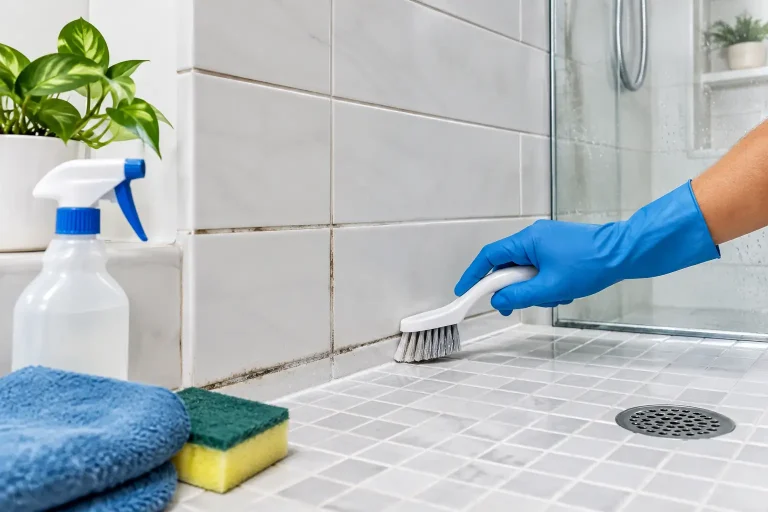
On small grout spots, a soft nylon brush and a tile-safe cleaner can help. Work in a small area, rinse thoroughly, and dry the surface instead of leaving cleaner sitting in the grout. This can keep fresh staining from becoming a bigger problem.
The trade-off is time. Hand scrubbing grout throughout a rental can take hours, and it rarely produces an even result when the staining is deep. It also creates inconsistency across the property. One shower may look bright while the kitchen floor still appears dingy in listing photos.
What Not to Use on Rental Tile
Strong chemicals can feel like the fastest answer before an incoming guest, but they can create expensive problems. Avoid mixing cleaning products, particularly bleach and ammonia. The fumes are unsafe, and the combination can produce dangerous gases.
Acidic products such as vinegar may be fine for limited use on some surfaces, but they are not a universal grout cleaner. Repeated acid use can weaken cement-based grout and etch natural stone. Abrasive powders, wire brushes, and aggressive scouring pads can scratch glazed tile, damage finishes, and make future soil cling more easily.
Bleach may lighten a surface stain temporarily, yet it does not remove the embedded soil that makes grout look dark. Overuse can also dry out or discolor grout and caulk. If a cleaner cannot identify the tile material or whether the grout has been sealed, it is safer to use a mild, manufacturer-approved product than to experiment.
When Professional Cleaning Makes More Sense
Professional tile and grout cleaning is often the practical choice before a busy season, after a long-term guest leaves, or when listing photos no longer match the actual condition of the home. It is also useful for property managers responsible for several units who need reliable results without sending a housekeeping team into a day of grout scrubbing.
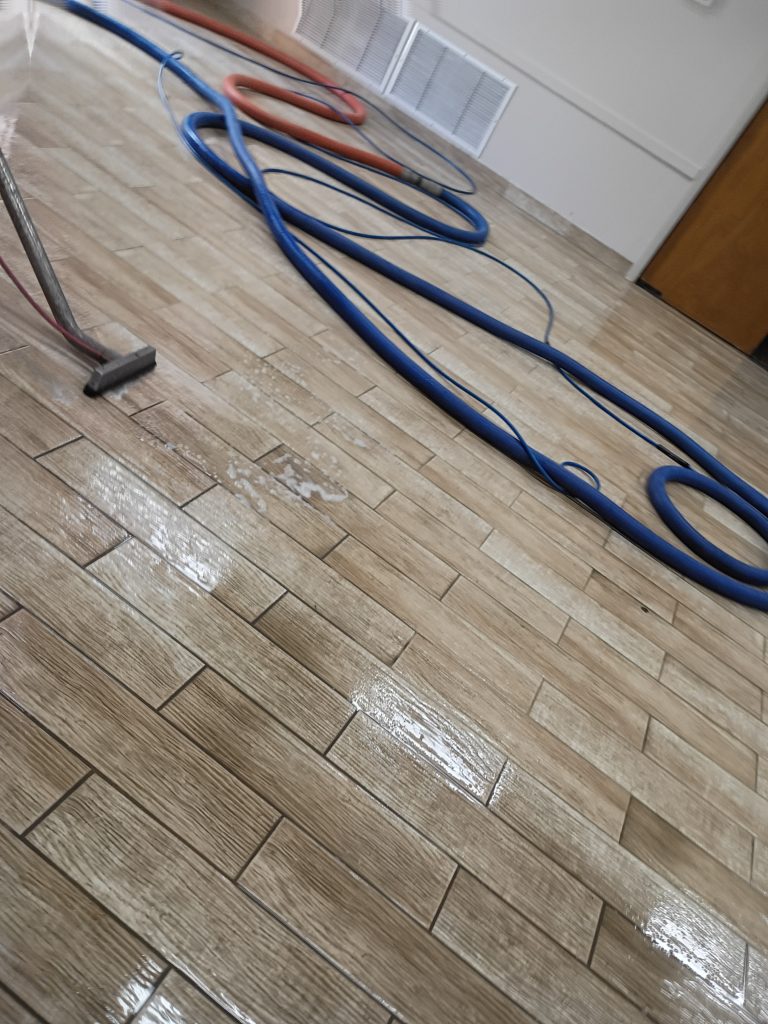
A professional process starts with identifying the surface and the source of the buildup. Tile cleaners apply an appropriate solution to break up oils, soap residue, mineral deposits, and tracked-in soil. Then specialized agitation and high-pressure extraction flush loosened debris from the grout lines instead of leaving it on the floor. The goal is not simply to make the tile wet and shiny. It is to remove the material that ordinary mopping cannot reach.
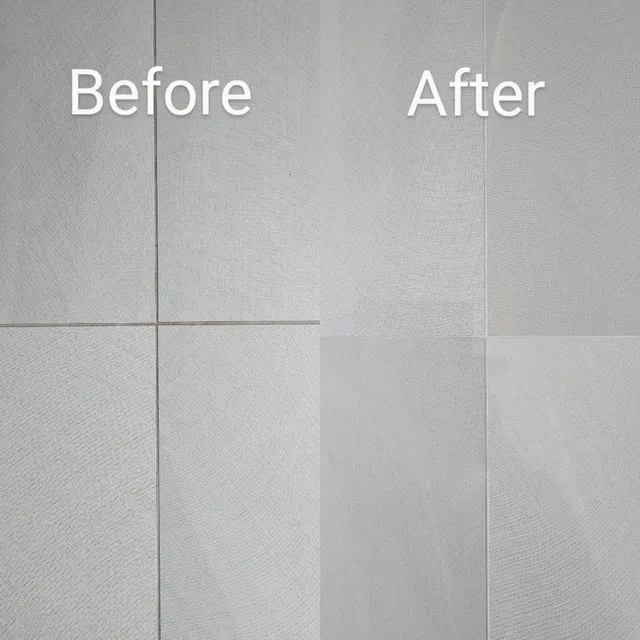
This approach can make a major difference in kitchens, bathroom floors, shower walls, hallways, and high-traffic living areas. It may not erase every permanent stain. Grout that has been damaged, incorrectly colored, or neglected for years can have lasting discoloration. Honest service means setting that expectation before the work begins rather than promising a result no cleaner can deliver.
Dream Clean Orlando provides professional tile and grout cleaning for local rental owners and managers who need visible improvement without a high-pressure sales experience. For rentals with grout that remains clean after service, sealing can be a worthwhile next step because it slows absorption from spills and everyday moisture.
Consider Grout Sealing and Recoloring
Sealer is a protectant, not a repair for already dirty grout. After a thorough cleaning, it helps reduce how quickly the grout absorbs water, oils, and spills. It is especially useful in rental kitchens, bathrooms, and entries where cleaning crews need a surface that is easier to maintain.
Recoloring is different. A grout colorant can provide a more uniform appearance when grout remains permanently blotchy after cleaning or when an owner wants to update the color. It is not necessary for every property, but it can be more cost-effective than replacing tile when the tile itself is in good condition. A professional should inspect the grout first to determine whether cleaning, sealing, recoloring, or repair is the sensible option.
A Turnover Plan That Prevents Surprise Problems
The most reliable rental maintenance plan combines quick checks after every stay with deeper cleaning on a schedule. During each turnover, have the cleaner inspect the shower corners, caulk lines, bathroom floor edges, kitchen grout near the sink and stove, and the entry from the outside. These are the places where residue and moisture show up first.
Keep exhaust fans running during and after bathroom cleaning when possible. Confirm that shower doors or curtains allow the area to dry, and address leaks quickly. A slow toilet leak or a failing shower seal can feed recurring mildew and discoloration that no amount of surface cleaning will solve.
For many vacation rentals, a professional tile cleaning once or twice a year is a good baseline. A larger home, a property near attractions with heavy guest volume, or a rental with a pool and lanai may need service more often. The right interval depends on guest turnover, tile texture, housekeeping practices, and whether the grout is sealed.
Protect Reviews by Looking Below the Surface
Guests do not need to know the science behind grout. They simply notice whether a bathroom feels clean when they step inside. Bright grout lines, fresh-smelling showers, and floors without a sticky film help reinforce the care that hosts put into every other part of the stay.
If your rental tile looks worn even after regular cleaning, do not assume replacement is the only answer. A careful inspection and the right cleaning method can often bring back a like-new appearance, reduce future maintenance headaches, and help the property feel guest-ready long before the next set of suitcases reaches the door.