How to Remove Mold From Shower Grout Safely
A few dark dots in a shower corner can turn into black, streaky grout surprisingly fast in an Orlando bathroom. To remove mold from shower grout effectively, you need more than a quick spray and wipe. The cleaner has to stay in contact with the grout long enough to work, and the shower needs a better drying routine afterward or the staining will return.
Moldy grout is frustrating because grout is porous. It holds moisture, soap residue, body oils, and minerals from water – all things that give mold and mildew a place to settle. Florida’s heat and humidity make the problem especially common in showers with limited airflow, older exhaust fans, or doors that stay closed after bathing.
First, Make Sure It Is Actually Mold
Not every dark grout line is active mold. Mildew is typically powdery or fuzzy and may look gray, black, or green. Mold can also appear as dark spotting, often in corners, around caulk, and along the lower shower walls. Both thrive where moisture remains for long periods.
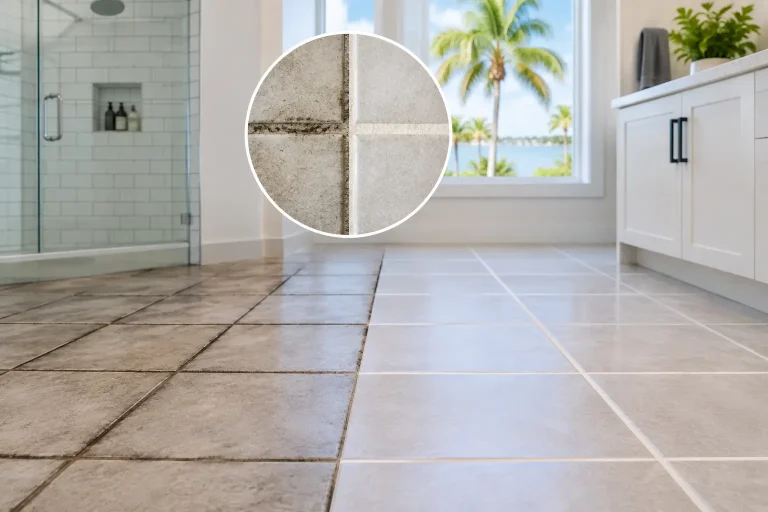
Some stains are different. Soap scum can leave a dull gray film, while hard-water deposits may look white, orange, or brown. Old grout can also darken permanently from years of absorbed soil. If you clean the area and the black staining remains but does not spread or smell musty, you may be looking at discoloration rather than live growth.
That distinction matters. Cleaning can remove surface mold and mildew, but deeply stained or deteriorated grout may need professional restoration, recoloring, or replacement to look clean again.
What You Need Before You Start
Open a window if you have one, switch on the bathroom fan, and wear gloves. If the affected area is large, if you have respiratory sensitivities, or if there is a strong persistent musty odor, avoid aggressive DIY scrubbing. That can disturb spores without solving the moisture issue.
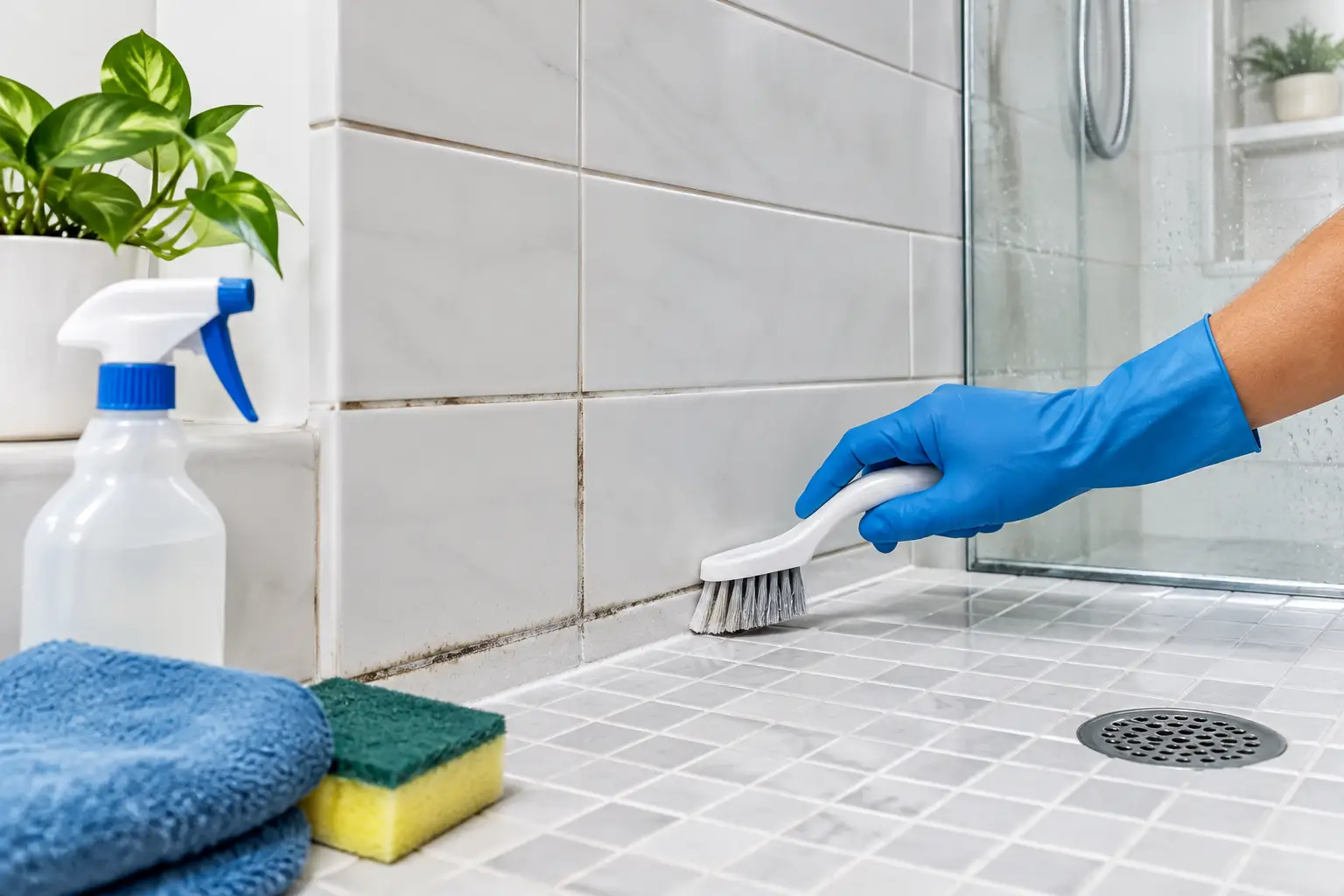
For a typical small shower area, gather a grout-safe cleaner or a diluted hydrogen peroxide solution, a small nylon grout brush, a spray bottle, clean water, and dry microfiber towels. A toothbrush works in a pinch, but a dedicated grout brush is more effective and easier on your hands.
Avoid steel wool, wire brushes, and highly abrasive scouring powders. They can scratch glazed tile, damage grout, and leave tiny rough areas that trap even more residue later.
How to Remove Mold From Shower Grout Step by Step
Start by removing shampoo bottles, bath mats, and anything else that blocks access. Rinse the shower walls with warm water to loosen surface soap residue. This simple step helps the cleaner reach the grout instead of sitting on top of body oil and conditioner buildup.
Apply your chosen cleaner directly to the moldy grout lines. A bathroom cleaner made for mold and mildew is often the most straightforward option when used according to its label. For smaller areas, 3% hydrogen peroxide can be sprayed onto grout and allowed to sit for about 10 to 15 minutes. It is generally less harsh-smelling than chlorine bleach and can brighten light-colored grout.
Then scrub with a nylon brush using short, firm strokes. Work one section at a time rather than trying to clean the entire shower at once. Grout responds better to controlled agitation than to hard, frantic scrubbing. Let the product do most of the work.
Rinse thoroughly with clean water and inspect the grout while it is still wet. If staining is still visible, repeat the process once. Dry the walls, grout lines, fixtures, and shower floor with microfiber towels when you finish. This last part is not cosmetic. Moisture left in porous grout is the reason the problem often comes back.
Should You Use Bleach on Shower Grout?
Bleach can lighten surface staining, but it is not always the best answer for porous grout. It may make the grout look better temporarily without reaching contamination below the surface. Strong bleach use can also irritate eyes and lungs, damage nearby fabrics, and weaken or discolor some caulk and colored grout.
Never mix bleach with vinegar, ammonia, hydrogen peroxide, or other household cleaners. The fumes can be dangerous. If you choose bleach, use a product intended for bathroom cleaning, follow its instructions exactly, keep the room ventilated, and rinse completely.
Vinegar has a reputation as a natural cleaner, but it is not a universal grout solution either. Its acidity can gradually etch or weaken cement-based grout, especially when used repeatedly. It should not be used on natural stone tile, including marble, travertine, limestone, or slate.
When DIY Cleaning Is Not Enough
A small patch of mildew near a shower door is usually manageable. A shower that develops black grout again within days or weeks is telling you something else is wrong. The most common causes are trapped moisture, failed caulk, poor ventilation, a leaking shower pan, or grout that has lost its protective seal.
Look closely at the grout and caulk. Crumbling grout, cracks along corners, loose tile, soft drywall, or staining outside the shower enclosure may point to water getting behind the tile. Cleaning the visible surface will not fix that. A qualified contractor should assess potential leaks or water damage before more cleaning is done.
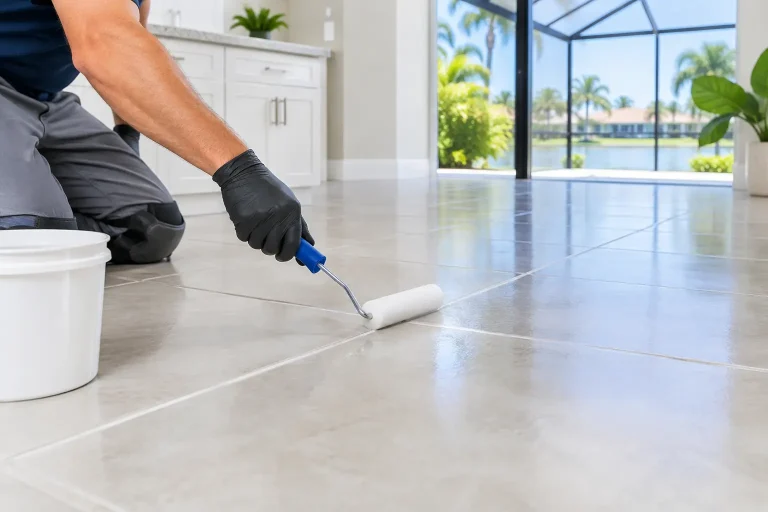
Professional cleaning is also worth considering when grout is deeply darkened across the whole shower, when you are preparing a rental for turnover, or when repeated products have not changed the appearance. Professional tile and grout cleaning uses specialized agitation, controlled high-pressure rinsing, and extraction to flush soil and residue from grout lines rather than simply spreading dirty water around the shower.
For Orlando homeowners and property managers, Dream Clean Orlando can evaluate whether a shower needs a deep clean, grout sealing, or a cosmetic refresh such as grout recoloring. Honest recommendations matter here. Not every dark grout line needs replacement, but not every stain can be scrubbed back to a like-new condition either.
Keep Mold From Returning
The best mold cleaner is only half the job. Daily moisture control makes the lasting difference. Run the exhaust fan during every shower and for at least 20 minutes afterward. If your fan is noisy, weak, or does not seem to pull steam out of the room, it may need cleaning, repair, or replacement.
Use a squeegee on shower walls after bathing, especially on tile with textured surfaces or deep grout joints. It takes less than a minute and removes the water that mold needs. Leave the shower door or curtain partly open so air can circulate, and wash shower curtains and bath mats regularly.
Sealing clean, dry cement-based grout can add another layer of protection. Sealer does not make grout waterproof, and it will not stop a leak or eliminate the need for ventilation. What it does is slow down the absorption of moisture, soap residue, and staining materials. In a busy Central Florida household, grout may need periodic resealing depending on the shower’s use, the product used, and how well the surface is maintained.
A Cleaner Shower Starts With a Dry One
If mold is limited to a few grout lines, careful cleaning and better ventilation can make a real difference. If it keeps returning, smells musty, or the grout has stayed dark after several attempts, do not keep escalating to harsher chemicals. Address the moisture source and get a professional opinion before small shower staining becomes a larger repair.
A clean shower should feel comfortable to use, not like another weekend project waiting in the corner.