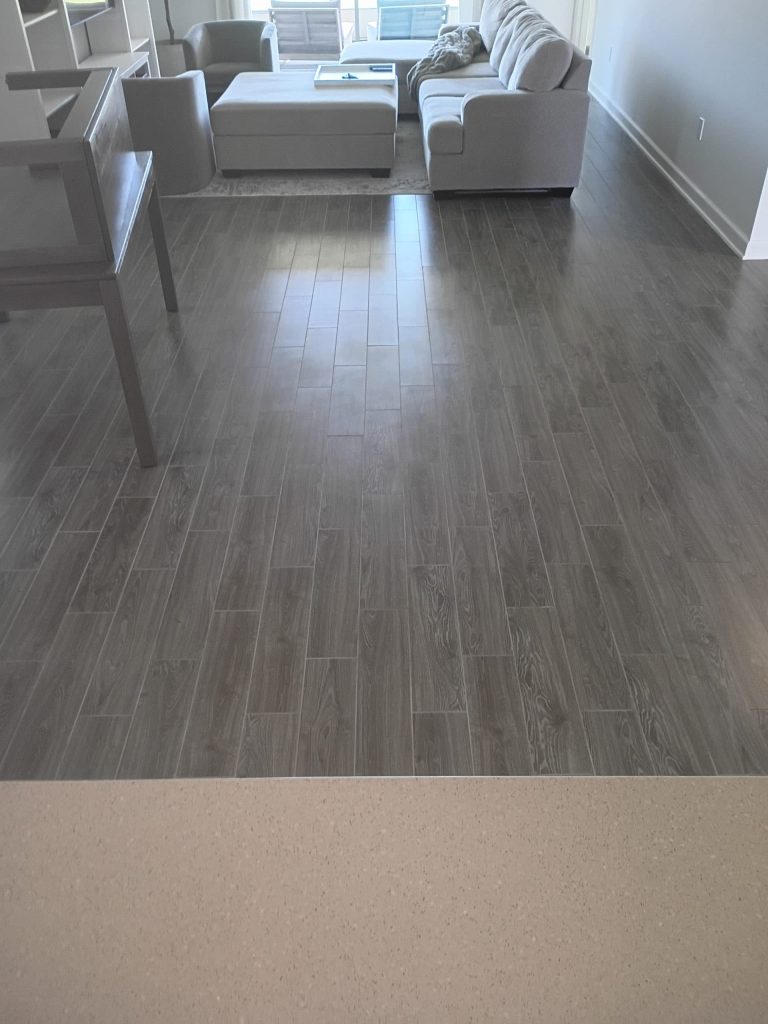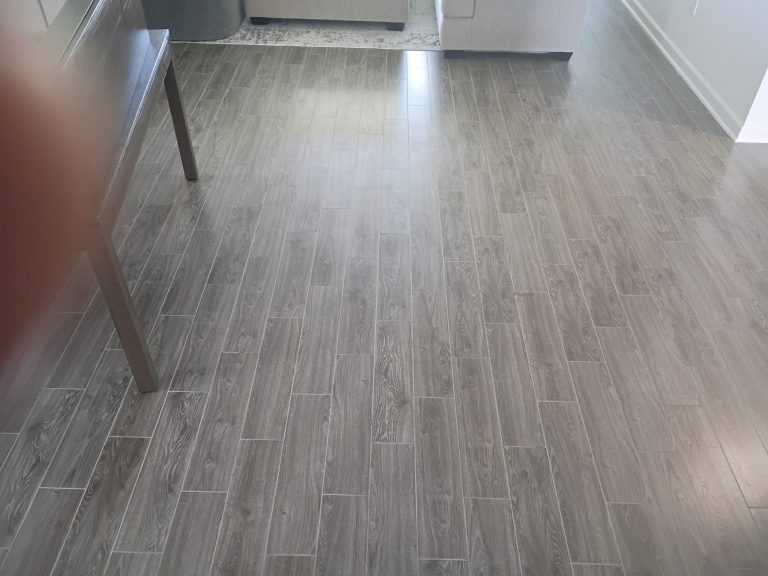
Are Steam Cleaners Sanitary for Tile and Grout?
A kitchen floor can look clean right after mopping, yet the grout lines may still hold dark soil, cooking grease, moisture, and residue from months of foot traffic. So, are steam cleaners sanitary? They can be a very effective part of a sanitary cleaning process, especially on hard surfaces, but the answer depends on the temperature, contact time, surface condition, and whether the loosened contamination is actually removed.
For Orlando homes and businesses, this matters most in bathrooms, showers, kitchens, entryways, restaurants, rental properties, and other areas where tile gets constant use. Steam can help break down grime that ordinary mopping leaves behind. However, steam alone is not a magic fix for deeply stained grout, mineral buildup, damaged grout, or soil trapped in pores.
Are Steam Cleaners Sanitary Enough for Tile?
Steam cleaners use heated water vapor to loosen and lift soil from hard surfaces. When used correctly, high heat can reduce many common germs on a surface while also cutting through oily residue, soap scum, and stuck-on dirt. Unlike a dirty mop head that may spread soil from one area to another, steam cleaning uses fresh water and heat at the point of cleaning.
That is a real advantage, but sanitary does not always mean disinfected. A surface may look brighter and have far less residue after steam cleaning, yet disinfection claims require a product or process proven to kill specific organisms under specific conditions. The steam must reach the right temperature at the surface and remain in contact long enough. Moving a small handheld steamer quickly over a floor does not guarantee that result.
For everyday residential maintenance, steam can be a sensible option for sealed ceramic or porcelain tile. It is especially useful when a family wants to reduce chemical use while removing surface grime. For commercial facilities, food-service areas, and properties with stricter hygiene needs, the cleaning method should be matched to the facility’s sanitation standards and the condition of the flooring.
Heat Helps, but Extraction Makes the Difference
The biggest limitation of many consumer steam cleaners is not heat. It is removal. Steam loosens soil, grease, and residue, but that material still has to go somewhere. Without strong extraction, it can be pushed into grout texture, spread across the tile, or left behind as the floor dries.
Grout is naturally porous unless it has been properly sealed. Its tiny openings collect mop water, spills, body oils, pet accidents, soap residue, and tracked-in dirt. This is why grout can remain dark even after repeated mopping. The mop often cleans the tile face while depositing dirty moisture into the grout lines.
Professional tile and grout cleaning uses more than steam. A trained technician may apply an appropriate cleaning solution, agitate the grout lines, use high pressure to flush away embedded buildup, and extract the dirty water immediately. This combination of heat, pressure, and extraction delivers a more complete result because it removes the contamination instead of only loosening it.
What Steam Cleaning Can Remove
On compatible surfaces, steam cleaning can help release everyday buildup such as light grease, surface dirt, food residue, soap scum, dried spills, and some odor-causing residue. It can also refresh tile that has begun to look dull from normal household traffic.
It works best when the surface is maintained regularly and the grout is in sound condition. Sealed grout is generally easier to keep clean because spills and soil have less opportunity to soak below the surface.
What Steam Cleaning Cannot Fix by Itself
Steam is not a repair service, and it cannot reverse every type of discoloration. Permanent stains, missing grout, cracks, deep hard-water deposits, mold staining, etching on natural stone, and worn-out sealers may require a different approach.
A shower with heavy calcium buildup, for example, may need a carefully selected cleaner before steam can be useful. Natural stone and travertine need special attention because excessive heat, harsh chemicals, or the wrong cleaning technique can damage the finish or weaken certain sealers. Textured tile can also hold grime in its surface pattern, making high-pressure extraction more effective than a small steam mop.
If grout remains dark after cleaning, that does not automatically mean it is dirty. It may be permanently stained, unevenly colored, or worn from years of traffic. In those cases, grout color sealing can restore a consistent appearance while creating a protective barrier that makes future cleanup easier.
The Right Way to Use a Steam Cleaner at Home
A steam cleaner can support a cleaner home when it is used with realistic expectations. Start by vacuuming or sweeping thoroughly. Steam is much more effective when loose sand, hair, crumbs, and dust are removed first.
Use the manufacturer’s recommended setting and attachments for your specific flooring. Do not flood the surface, and avoid holding the steamer in one place for too long. Wipe up released moisture and residue with clean microfiber cloths, changing them when they become soiled. A dirty pad can put grime right back onto the floor.
Before using steam on a new surface, test a small hidden area. Be cautious around unsealed grout, damaged grout, laminate, vinyl flooring, wood-look products with compromised seams, and natural stone. Heat and moisture can cause problems when a floor has cracks, loose tiles, failing adhesive, or an unknown sealer.
For bathrooms, ventilation also matters. Steam may loosen shower residue, but leaving the room humid after cleaning can encourage mildew growth. Run the exhaust fan, dry wet surfaces, and repair leaks or failed caulk that keep feeding the moisture problem.
Why Mopping Often Falls Short
Mopping has its place for day-to-day maintenance, but it is not designed to restore heavily soiled tile and grout. A mop usually glides over the high points of textured tile and the surface of grout lines. It does not provide enough agitation or extraction to pull out embedded soil.
The cleaning solution can also become diluted quickly in a mop bucket. Once the water turns gray, it may be spreading residue rather than removing it. This is common in busy Central Florida households with pets, kids, pool traffic, and outdoor sand, as well as in commercial spaces with constant customer foot traffic.
When floors stay dull, grout gets darker, or a shower never looks fully clean, the problem is often below the surface. Deep cleaning can remove years of buildup and reveal the original color more accurately. Afterward, sealing helps protect that improvement from future staining and moisture penetration.
When Professional Steam Extraction Is the Better Choice
A professional service is worth considering when routine cleaning no longer changes the appearance of the floor. It is also a practical choice before moving into a home, listing a property, turning over a rental, reopening a commercial area, or preparing for guests and events.
Truck-mounted equipment provides the heat, pressure, and extraction power that many household machines cannot match. The technician can adjust the process for ceramic, porcelain, natural stone, travertine, textured tile, kitchens, showers, and high-traffic commercial flooring. The goal is not to use the strongest possible method on every floor. It is to use the right method for the material and the buildup present.
Dream Clean Orlando provides professional tile and grout cleaning with industrial-grade solutions and high-pressure extraction designed to flush out embedded soil and dirty water. For worn or porous grout, sealing or color sealing can help protect the restored look and make ongoing maintenance less frustrating.
Keep Clean Tile More Sanitary Between Deep Cleanings
After a professional cleaning, consistent upkeep protects both appearance and hygiene. Sweep or vacuum frequently so abrasive grit does not grind into the floor. Clean spills promptly, especially in kitchens and around pet areas. Use a pH-neutral cleaner recommended for your tile type instead of relying on heavy soap products that can leave a film.
In showers, use a squeegee or dry towel after use to reduce standing water and soap residue. Keep grout and caulk in good repair, since cracks give moisture a path behind the tile. If the grout is sealed, ask when it should be checked or reapplied. Sealers wear over time, particularly in busy kitchens, entryways, and bathrooms.
A steam cleaner can be a helpful maintenance tool, but it works best as one part of a larger cleaning plan. When grout is holding years of soil or your floor still looks dirty after mopping, professional extraction and protective sealing can bring the surface back to a cleaner, healthier, easier-to-maintain condition.