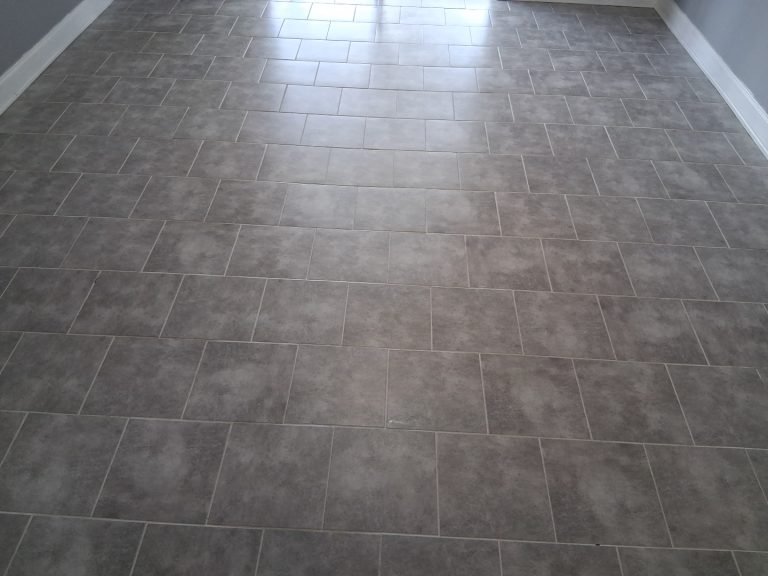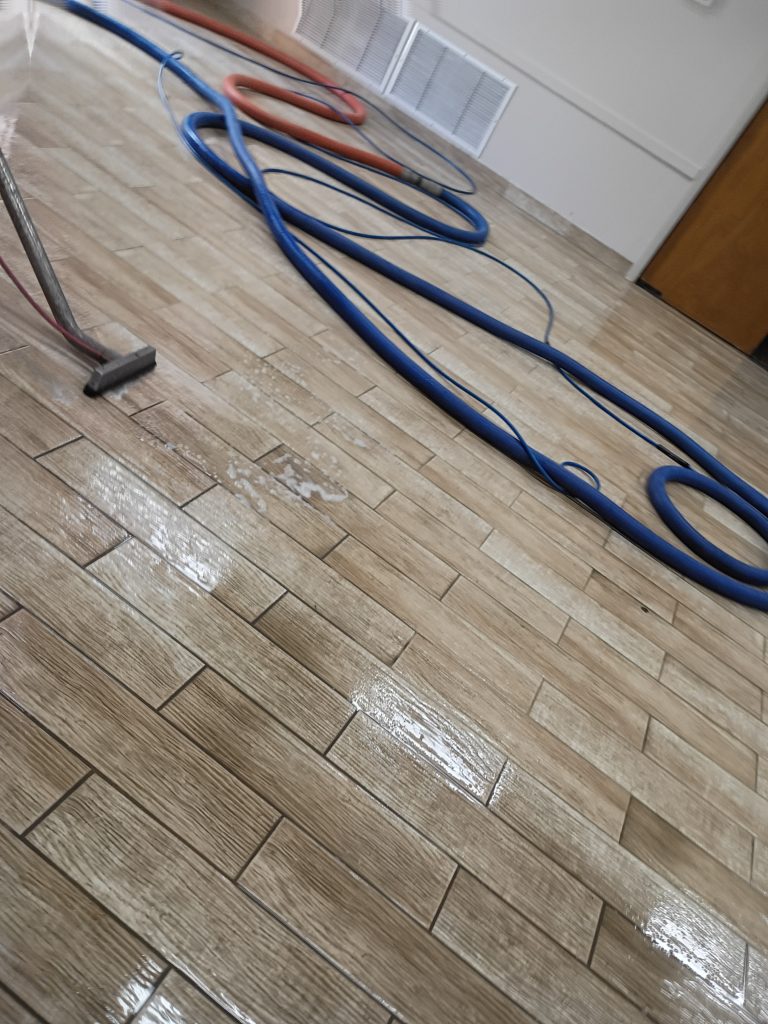
Steam Extraction for Tile and Grout Cleaning
A tile floor can look clean right after mopping and still have dark grout lines, sticky traffic lanes, or a dull film that never seems to go away. That is because mops often move surface soil around without pulling out the grease, soap residue, and fine grit packed into porous grout. Steam extraction is designed to address that deeper buildup by combining heat, cleaning solutions, controlled pressure, and powerful recovery.
For homeowners and businesses in Central Florida, this process can make a major difference in kitchens, bathrooms, entryways, showers, restaurants, offices, and other hard-working spaces. The goal is not to simply wet the floor. It is to loosen embedded contamination, flush it from the grout lines, and extract it before it dries back into the surface.
What steam extraction does differently
Routine sweeping and mopping are necessary, but they have limits. Grout is textured and porous, which gives soil, spills, body oils, hard-water minerals, and cleaning-product residue plenty of places to settle. Textured tile and slip-resistant flooring can hold even more grime in their small surface valleys.
Professional steam extraction uses heated water and specialized cleaning products to break down that buildup. A technician works in manageable sections, agitating problem areas as needed. Then high-pressure rinsing flushes loosened soil toward a recovery tool that immediately vacuums the dirty water away.
That recovery step matters. If a cleaning method leaves dirty water behind, much of the loosened soil can remain in the grout or settle back onto the tile as it dries. Quality extraction removes the suspended grime instead of leaving a wet floor with a temporary shine.
The term can mean different things in the cleaning industry. Some people picture a small vapor-steam machine. Others mean truck-mounted equipment that uses heated water, pressure, and vacuum extraction. For large tile-and-grout jobs, the second approach usually provides stronger flushing and faster water recovery. The best method depends on the material, the level of soil, and the condition of the grout.
Where steam extraction makes the biggest impact
Steam extraction is especially useful when floors look worse than their cleaning routine suggests. Darkened grout pathways in a kitchen, gray buildup around a shower drain, or greasy restaurant tile are all signs that surface cleaning is no longer enough.
In residential spaces, kitchens and bathrooms are frequent problem areas. Kitchen grout collects cooking oils, food spills, and tracked-in dirt. Bathroom tile can develop soap scum, body oils, mineral deposits, mildew staining, and residue from household cleaners. Shower walls and floors need careful treatment because moisture and hard-water buildup can combine with damaged or missing grout.
Commercial flooring can need service more often. Entryways, hallways, restrooms, break rooms, apartment common areas, retail floors, and food-service areas see repeated foot traffic that presses grit into grout lines. A clean floor also affects how customers, tenants, employees, and visitors view the entire property.
The professional tile and grout extraction process
A thorough service begins with an inspection, not with a one-size-fits-all setting. Tile may be ceramic, porcelain, travertine, natural stone, or a textured material with unique care requirements. Grout may be intact but stained, or it may be cracked, missing, or already weakened by harsh cleaners.
Inspection and pre-treatment
The technician identifies the type of soil and the surface condition. Grease calls for a different approach than hard-water scale, soap residue, or ground-in dirt. Industrial-grade cleaning solutions are applied in the proper concentration and allowed time to work, then grout lines and stubborn areas may be gently agitated.
This preparation is what allows extraction equipment to work effectively. Heat and pressure alone are not a cure for every stain, especially if discoloration has permanently altered the grout or if the issue is beneath failed grout or caulk.
Heated flushing and recovery
Next, the equipment applies controlled heat and pressure to rinse the tile and grout. The cleaning head helps direct the flow into grout lines while its vacuum system captures the wastewater. Truck-mounted systems are valuable on many larger jobs because they provide strong heat, consistent pressure, and powerful extraction without relying solely on a small portable unit.
A trained technician adjusts the process for the floor. Too much pressure, too much moisture, or an unsuitable chemical can create problems on sensitive surfaces. Professional cleaning is not about using the highest setting everywhere. It is about using the right setting and product for the tile, grout, and soil present.
Detail work, drying, and protection
Corners, edges, shower perimeters, and heavily stained spots often require additional attention. Once the cleaning is complete, the floor should be left as dry as practical through strong recovery and airflow. Drying time varies with humidity, grout condition, ventilation, and the amount of cleaning required, but effective extraction helps reduce unnecessary moisture.
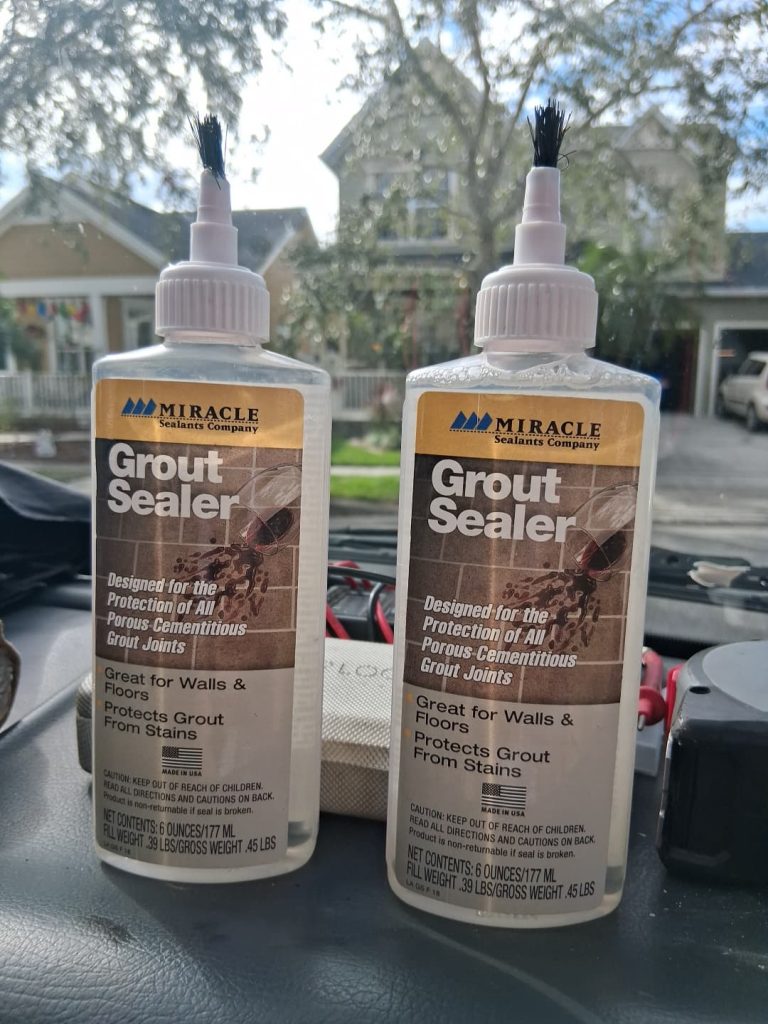
After the grout is clean and dry, sealing is often the next smart step. A penetrating grout sealer helps slow the absorption of spills and soil. Color sealing may be a better option when grout is permanently discolored but structurally sound, because it creates a more uniform appearance while adding protection. Neither option replaces cleaning, but both can make future maintenance easier.
What steam extraction can and cannot restore
The visible improvement can be dramatic. Many floors regain contrast between the tile and grout, showers look brighter, and dull traffic lanes become less noticeable. Still, honest expectations matter.
Steam extraction can remove a great deal of embedded dirt, residue, grease, and surface staining. It cannot always reverse every type of discoloration. Rust stains, paint, deep dye transfer, mineral etching, worn glaze, or grout that has absorbed staining for years may require specialty treatment, repair, color sealing, or replacement.
Damaged grout also needs a different solution than dirty grout. If grout is loose, cracked, crumbling, or missing, cleaning may improve its appearance but will not restore its structure. In showers, failing grout or caulk can allow water to travel behind the tile. That should be repaired promptly rather than covered up with more cleaning.
Natural stone deserves extra care. Travertine, marble, limestone, and other calcareous stones can be sensitive to acidic products and aggressive methods. A professional should evaluate the stone, its finish, and any existing etching before choosing a cleaning plan. The safest process is not always the fastest one.
Why Orlando floors need deeper cleaning
Central Florida floors work hard. Humidity, rain, pool traffic, sand, pollen, pets, and busy family schedules all contribute to buildup. Tile near exterior doors can collect fine grit that acts like an abrasive under shoes. Bathrooms and showers face constant moisture. Rental properties and commercial buildings can see fast changes in appearance when maintenance is delayed.
For many properties, professional extraction works best as part of a maintenance plan rather than a once-in-a-decade rescue. High-traffic commercial floors may need attention several times a year. A well-maintained residential floor may need professional service less often, depending on household size, pets, cooking habits, and whether the grout has been sealed.
Between appointments, sweep or vacuum regularly to remove abrasive grit. Use a neutral cleaner made for tile and grout, avoid oily or waxy products that leave film, and clean spills before they have time to absorb. Bleach and harsh acids are not a universal answer. They can damage grout, affect surrounding surfaces, and leave behind a problem that is harder to correct.
Choosing a steam extraction service
Ask what equipment and recovery method the company uses, whether it evaluates tile type before cleaning, and how it handles grout that is stained versus grout that is damaged. A clear explanation is a good sign. You should know whether sealing, color sealing, repairs, or shower-specific work may be recommended before the job begins.
Dream Clean Orlando approaches tile and grout cleaning with that practical mindset: identify the buildup, use the appropriate professional process, and recommend protection or restoration only when it provides real value. Licensed, insured service and clear pricing matter because your floor is a long-term part of your home or property, not a surface to experiment on.
If your tile stays dull after mopping or your grout lines keep getting darker, it may be time for more than another bottle of cleaner. Professional steam extraction can give those surfaces a fresh starting point, and consistent maintenance can help keep that cleaner look around much longer.