Rental Bathroom Grout Makeover Without Replacing Tile
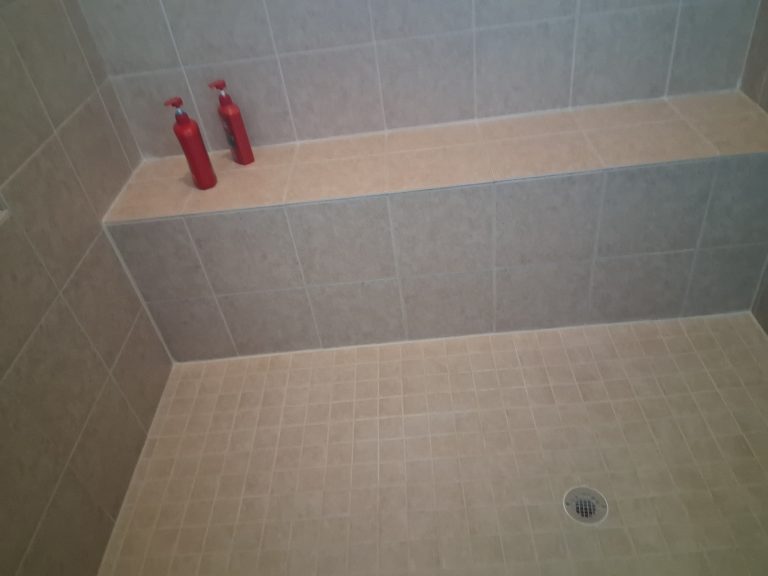
A bathroom can feel worn out long before the tile actually is. In many Orlando rentals, the real problem is the grout: darkened shower corners, orange hard-water marks, soap film, or floor grout that stays dingy no matter how often it is mopped. A rental bathroom grout makeover can make the room look cleaner and more cared for without the cost, disruption, or lease concerns of replacing tile.
The key is knowing what can be cleaned, what needs approval from your landlord, and when home cleaning methods are more likely to damage grout than improve it. Florida humidity, hard water, and daily shower use give bathroom grout plenty to absorb. A careful restoration plan helps you improve the space while protecting your security deposit.
Start With Your Lease and the Type of Grout Problem
Before applying a cleaner, take clear photos of the bathroom. Photograph the shower walls, floor tile, tub surround, and any cracked, missing, or discolored grout. This gives you a record of the bathroom’s condition before you begin and helps separate normal wear from damage that should be reported to the property owner.
Most leases allow routine cleaning, but permanent changes are different. Recoloring grout, applying a colored grout coating, replacing large sections of grout, or caulking around a tub may require written permission. Even a neutral color sealer can be considered an alteration because it changes the grout’s finished appearance.
Look closely at the discoloration, too. Gray or brown grout lines may simply be holding embedded soil. White, chalky buildup is often mineral residue from hard water. Pink, black, or orange staining in a shower can be a mix of moisture, bacteria, mildew, and soap residue. Cracked grout, loose tile, or soft areas behind shower walls are maintenance issues, not a renter’s cleaning project. Report those concerns promptly.
A Rental Bathroom Grout Makeover Starts With Safe Cleaning
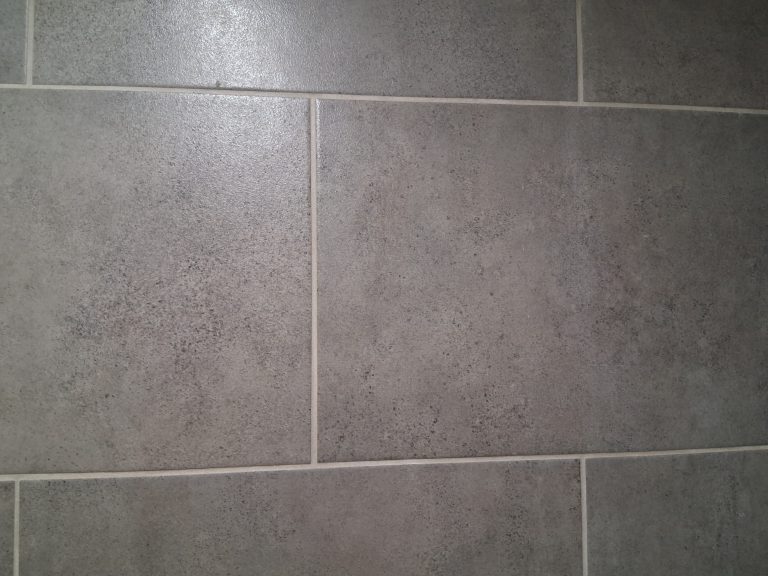
Routine mopping and spray cleaners often clean the surface of tile while leaving soil trapped inside porous grout. Grout has tiny openings that hold moisture, body oils, soap, minerals, and dirt tracked in from the rest of the home. That is why a bathroom floor can look dull again shortly after it has been cleaned.
For light buildup, start with a pH-neutral tile and grout cleaner that is appropriate for your tile type. Ceramic and porcelain are generally durable, but natural stone, travertine, and certain textured tiles need more careful product selection. Avoid assuming that a strong cleaner is better. Acidic products can etch natural stone, while harsh alkaline cleaners may leave residue or weaken grout over time.
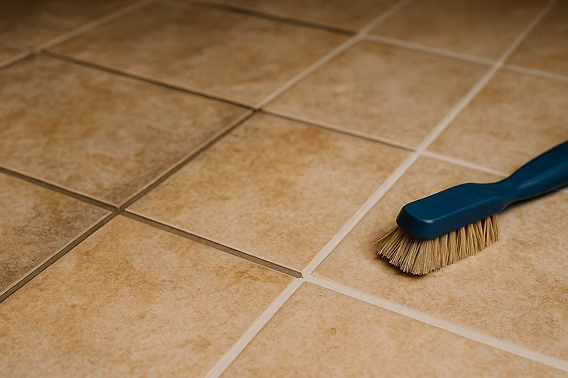
Apply the cleaner according to its directions and give it time to work. Agitate the grout gently with a nylon grout brush, not a metal brush. Work in small sections, then rinse thoroughly and dry the area with clean towels. A clean rinse matters because leftover cleaner can attract soil and create a sticky film.
Do not combine cleaning products. Mixing bleach, ammonia, acids, or unknown bathroom cleaners can create dangerous fumes and damage surfaces. Bleach may brighten some stains temporarily, but it is not a complete grout-cleaning solution. Used repeatedly or too strongly, it can dry out grout, affect nearby finishes, and leave the underlying buildup in place.
Give Shower Corners Extra Attention
Shower grout often needs a different approach than floor grout because moisture stays in the area longer. Run the exhaust fan during and after showers, leave the door or curtain open once the space is dry enough, and use a squeegee on tile walls when possible. These small habits reduce the moisture that allows residue and mildew staining to return.
If caulk is blackened, peeling, or separated from the tub or shower base, do not cover it with more caulk without notifying the landlord. Failed caulk can allow water behind walls, and the issue may need professional repair before the bathroom is cleaned or sealed.
Know When Scrubbing Is Making Things Worse
There is a point where more elbow grease does not produce a better result. If grout stays dark after several careful cleanings, looks blotchy, has deep orange mineral staining, or becomes rough and powdery, aggressive DIY methods can do more harm than good.
Steam mops are useful for light surface cleaning, but they typically do not have the heat, pressure, or extraction needed to flush contamination from deep grout lines. They can also leave moisture behind if used heavily in a bathroom with poor ventilation. Hand scrubbing may improve a small section, yet it rarely gives an even result across an entire floor or shower.
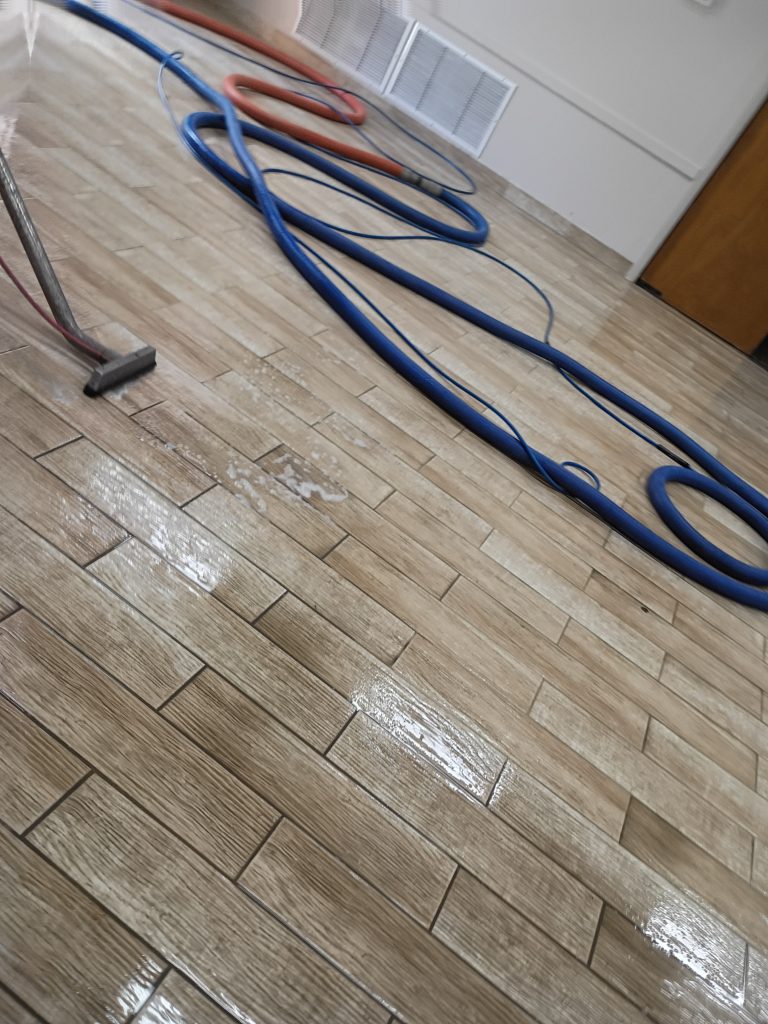
Professional tile and grout cleaning uses controlled heat, appropriate cleaning solutions, high-pressure agitation, and powerful extraction to lift loosened soil out of the grout rather than moving it around the room. This is especially helpful in rentals where you want a visible improvement without taking risks with the tile.
Dream Clean Orlando uses truck-mounted steam-cleaning equipment and high-pressure extraction to remove embedded soil, soap residue, bacteria, and hard-water buildup from hard surfaces. For renters, professional cleaning can also provide a clearer picture of whether the grout is simply dirty or whether it needs landlord-approved repair.
Consider Sealing Only With Permission
After a deep cleaning, grout can look much better but remain vulnerable to future staining. A clear grout sealer helps reduce absorption, making routine cleaning easier and helping water, soap, and dirt stay closer to the surface. It is a practical option in bathrooms, especially on floor tile and shower areas that receive daily use.
However, renters should ask for approval before applying any sealer. A quality sealer is meant to last, which makes it more than routine cleaning. Some landlords welcome it because it helps protect their tile. Others prefer to choose the product or handle the work themselves.
Color sealing can produce a more dramatic transformation when grout is permanently stained or uneven in color. It applies a durable, consistent color across the grout lines while adding protection. The trade-off is that it is a lasting finish change, so it should never be done in a rental without written permission. If your landlord approves it, choose a professional who can clean, prepare, and apply the product evenly.
Keep the Results Looking Better Between Cleanings
Once the grout is clean, a few practical habits go a long way. Wipe shower walls after use, address toothpaste and cosmetic spills quickly, and avoid leaving wet bath mats on tile floors. Use a pH-neutral cleaner for regular maintenance instead of reaching for harsh chemicals every week.
Pay attention to ventilation. Central Florida bathrooms can stay humid long after a shower, particularly in apartments with limited airflow. Running the exhaust fan for 20 to 30 minutes after bathing helps the room dry more completely. If the fan does not work well, report it. Moisture control is part of protecting both the grout and the rental property.
For bathroom floors, sweep or vacuum first before mopping. Grit and hair can turn mopping into a process of spreading dirty water across grout lines. Use clean water, change it when it becomes cloudy, and avoid soaking the floor. A lightly damp mop is usually enough for regular upkeep.
Plan the Makeover Around Your Move-Out Timeline
If you are preparing to move, schedule grout cleaning early rather than waiting until the final day. Deep cleaning may reveal missing grout, stained caulk, or tile damage that needs to be documented and addressed with the landlord. It also gives the bathroom time to dry fully before inspections or photos.
Keep copies of your move-in photos, your communication with the property manager, and any written approval for cleaning, sealing, or repairs. Those records are useful if there is a question about the condition of the bathroom later.
A cleaner grout line can change the entire feel of a rental bathroom, making the tile look brighter and the room feel more sanitary. The best approach is not the harshest one. It is the one that removes buildup safely, respects the lease, and leaves the bathroom in better condition for the people who use it next.