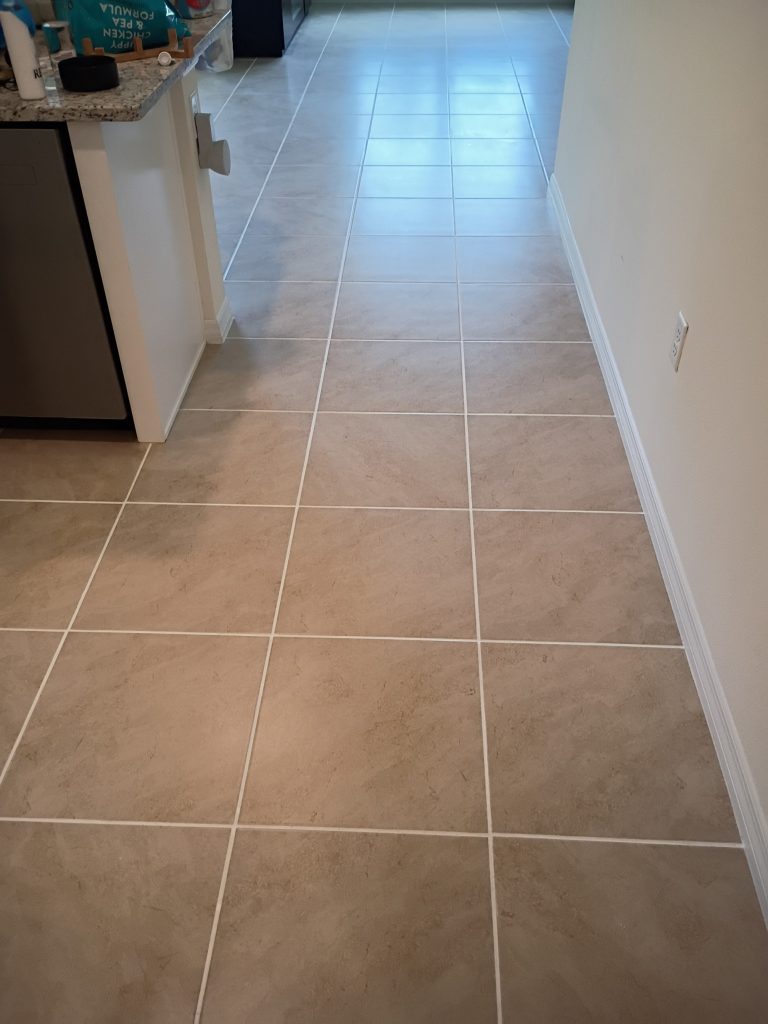
Why Grout Gets White and What You Can Do
A dark shower grout line that suddenly looks chalky white, or a floor that develops pale patches after mopping, can make clean tile look worn out fast. Understanding why grout gets white starts with one fact: grout is more porous than tile. It can absorb moisture, minerals, cleaning products, and soil, then leave those materials behind at the surface as it dries.
The right solution depends on what is causing the whitening. Sometimes it is a removable surface deposit. Other times, it points to moisture moving through the tile system, worn grout, or a coating that needs professional attention. Identifying the cause first protects your tile and helps avoid spending money on products that only hide the problem.
Why Grout Gets White in Showers and Floors
White grout discoloration usually falls into two categories: deposits sitting on top of the grout or minerals traveling up through it. They can look similar from across the room, but they need different cleaning and repair approaches.
Hard-Water Mineral Buildup
Central Florida water often contains minerals that remain behind after water evaporates. In showers, around tub surrounds, and near sinks, calcium and magnesium can form a white or off-white crust on grout and tile. It may feel rough to the touch and become more visible as the surface dries.
Hard-water buildup is especially common where water regularly hits the same area. A shower wall may look white near the fixtures, while the grout at the bottom of the wall or around the shower floor may develop a dull, cloudy film. Routine wiping helps slow it down, but standard bathroom sprays often do not fully remove deposits that have settled into porous grout.
Soap Scum and Body Product Residue
Not every white mark is a mineral deposit. Bar soap, shampoo, conditioner, body wash, and shaving products can leave a pale waxy layer on shower tile. This residue attracts more soil over time, which is why grout may look both whitish and dingy at once.
Soap scum is more likely when the white film appears across both tile and grout, rather than only in the grout lines. It may smear or soften when wet. Using too much cleaner can add another layer of residue, particularly if the surface is not rinsed thoroughly.
Efflorescence: Minerals Coming From Below
Efflorescence is one of the most common answers to the question, “Why does grout get white?” It occurs when moisture moves through grout, thinset, concrete, or masonry and carries dissolved salts to the surface. When the moisture evaporates, the salts remain as a white, powdery, or crystalline deposit.
Unlike ordinary hard-water spots, efflorescence often returns after cleaning because the moisture source is still active. It can appear on floor grout, outdoor tile, tiled entryways, and shower areas. In some cases, it is temporary after a new tile installation as materials cure. In older tile, recurring efflorescence may suggest excess moisture beneath the tile, a leaking shower component, poor drainage, or a crack that is allowing water into the installation.
A light efflorescence issue may be manageable with proper cleaning and drying. Heavy or repeated deposits should be assessed before aggressive cleaning, because removing the visible salt does not correct the moisture problem underneath.
Cleaner Residue and Improper Mopping
Mopping can leave floors looking clean for a few hours, then cloudy again once dry. That often happens when too much floor cleaner is used, dirty mop water is spread across the tile, or the floor is not rinsed. Some cleaners leave a film that dries white in grout lines, especially on textured tile or floors with deep grout joints.
Powdered cleaners, bleach-based products, and harsh alkaline degreasers can also leave residue if they are mixed incorrectly or not fully removed. Repeated use may dull the tile surface, weaken grout, or make the lines hold dirt more easily. More product does not always mean a cleaner floor.
Worn Grout Sealer or Surface Damage
Grout sealer does not make grout permanently maintenance-free. Over time, foot traffic, shower moisture, acidic products, and regular scrubbing wear protective sealer away. Once grout becomes exposed, it absorbs water and contaminants more readily.
As grout ages, it can also become rough, pitted, cracked, or powdery. Those small openings trap minerals and residue, creating a pale, uneven appearance that does not respond well to basic cleaning. If the grout looks lighter in high-traffic walkways or around frequently used shower areas, the problem may be wear as much as buildup.
How to Tell What Is Causing the White Film
A few simple observations can point you in the right direction. Hard-water deposits tend to be hard, crusty, and concentrated where water repeatedly dries. Soap scum is usually more filmy or waxy and affects the tile face as well as the grout. Cleaner residue often appears after mopping and may cover a wider portion of the floor.
Efflorescence is typically dry, powdery, and may return in the same locations after it has been removed. If white residue is accompanied by loose grout, cracked tile, a musty odor, soft walls near a shower, or unexplained dampness, avoid treating it as a cosmetic issue alone. Moisture can damage the tile assembly behind the surface.
It is also worth checking whether the grout was originally white. White grout can darken from embedded soil, then look lighter again after cleaning. Dark or colored grout that turns chalky white is more likely dealing with mineral buildup, residue, or efflorescence.
What to Avoid When Cleaning White Grout Deposits
The wrong method can make grout discoloration worse. Avoid scrubbing aggressively with steel wool, wire brushes, or highly abrasive powders. These can scratch tile, erode grout, and create a rougher surface that collects even more residue.
Be cautious with vinegar and other acidic cleaners. They may help with some mineral deposits on certain ceramic or porcelain tile, but they can damage natural stone such as travertine, marble, and limestone. Acid can also weaken cement-based grout if used too often or left on too long. Never mix cleaning products, especially bleach and acidic cleaners.
Steam cleaning can be highly effective for embedded soil and surface residue when performed with the correct heat, pressure, solution, and extraction. However, steam alone will not solve active moisture intrusion or repair failing grout. The goal is not simply to make the white marks disappear for a day. It is to clean the surface safely and address the reason they formed.
When Professional Grout Cleaning Makes Sense
If grout still looks white, cloudy, or chalky after careful cleaning, professional restoration can save you from replacing tile that is still in good condition. A trained hard-surface cleaning team can identify whether the issue is mineral scale, soap buildup, cleaning residue, embedded soil, or failing grout.
At Dream Clean Orlando, deep tile and grout cleaning uses industrial-grade solutions along with high-pressure extraction to flush contamination from grout lines rather than pushing it around with a mop. For floors and showers with worn protection, grout sealing can help reduce future absorption. When grout is permanently stained or uneven in color, color sealing may provide a more consistent, refreshed appearance while adding protection.
Repair may be the better option when grout is cracked, missing, loose, or breaking down. In a shower, recurring white residue combined with damaged grout deserves prompt attention. Water has a way of traveling farther than the visible stain suggests.
Keeping Grout From Turning White Again
After the cause has been corrected, simple habits make a real difference. In showers, rinse away soap residue and use a squeegee or towel to remove standing water from tile and grout. Make sure bathroom ventilation is working well so surfaces dry faster.
For tile floors, use a pH-neutral cleaner in the recommended amount, change mop water often, and avoid leaving cleaning solution on the floor to air-dry. A microfiber mop is usually a better choice than a saturated string mop because it leaves less water and residue behind.
Sealed grout is easier to maintain, but it still needs regular care. Clean spills promptly, avoid harsh chemicals unless they are appropriate for the tile and grout, and schedule deep cleaning when floors remain dull despite normal maintenance. For restaurants, offices, rental properties, and other high-traffic spaces, consistent professional cleaning can also help protect appearance and hygiene between larger restoration projects.
White grout buildup does not always mean your tile needs to be replaced. Often, the surface is asking for a better cleaning method, renewed protection, or a closer look at moisture before a small issue becomes a costly repair.