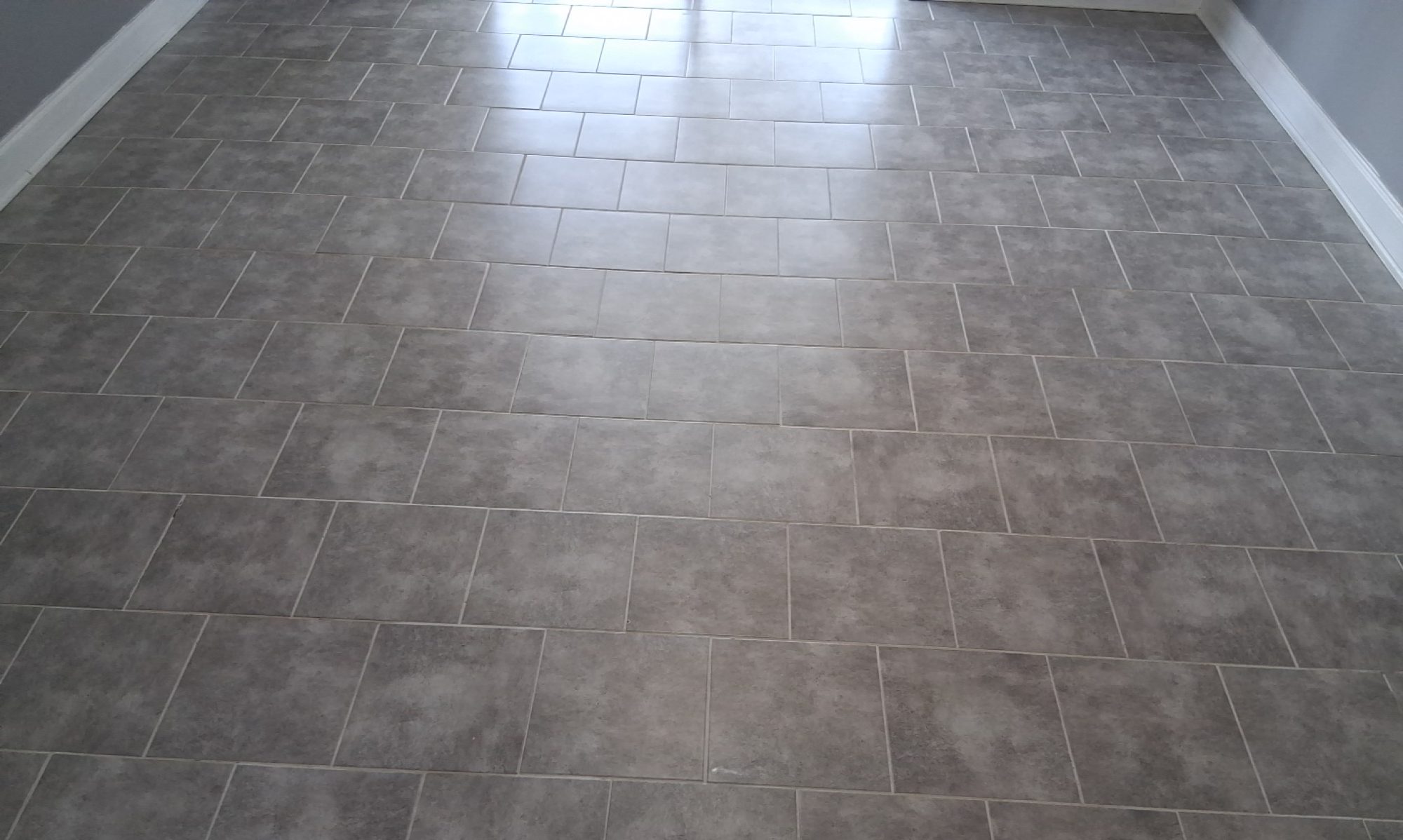

DIY Tile Cleaning: The Ultimate Guide to Safe and Effective Methods.

showing pride in a clean home

Are you tired of looking at dirty, grimy tiles in your home? Don’t worry! With our comprehensive
guide to DIY tile cleaning, you’ll learn how to restore your tiles to their former glory using safe and
effective methods. Whether you’re dealing with kitchen backsplashes, bathroom floors, or outdoor
patios, we’ve got you covered.
Why Clean Your Tiles Yourself?
Before we dive into the cleaning methods, let’s address why DIY tile cleaning is a great option:
Cost-effective: Save money on professional cleaning services
Convenience: Clean at your own pace and schedule
Knowledge: Understand your tile materials better
Satisfaction: Enjoy the results of your hard work

Safe and Effective Tile Cleaning Methods

  1. The Vinegar and Water Solution
    Keywords: natural cleaning, acidic solution, eco-friendly
    One of the safest and most effective ways to clean tiles is using a simple vinegar and water solution.
    Here’s how:
    Mix equal parts white vinegar and warm water in a spray bottle
    Spray the solution on your tiles
    Let it sit for 5-10 minutes
    Scrub gently with a soft-bristled brush
    Rinse thoroughly with clean water
    Dry with a microfiber cloth
    This method is particularly effective for removing soap scum and hard water stains.
  2. Baking Soda Paste for Tough Stains
    Keywords: abrasive cleaner, natural ingredients, deep cleaning
    For stubborn stains, create a baking soda paste:
    Mix baking soda with a small amount of water to form a paste
    Apply the paste to the stained areas
    Let it sit for 10-15 minutes
    Scrub gently with a soft brush
    Rinse thoroughly and dry
  3. Steam Cleaning for Grout
    Keywords: chemical-free cleaning, deep sanitization, grout restorationSteam cleaning is an excellent chemical-free method for cleaning tile grout:
    Rent or purchase a steam cleaner designed for tile and grout
    Fill the cleaner with distilled water
    Run the steam cleaner slowly over the grout lines
    Use a clean, dry towel to wipe away the loosened dirt
  4. Hydrogen Peroxide for Mold and Mildew
    Keywords: mold removal, bathroom tiles, disinfectant
    For tiles prone to mold and mildew, especially in bathrooms:
    Mix equal parts hydrogen peroxide and water in a spray bottle
    Spray the solution on affected areas
    Let it sit for 10 minutes
    Scrub gently with a soft brush
    Rinse thoroughly and dry
  5. Lemon Juice for Natural Brightening
    Keywords: natural bleach, citrus cleaner, tile brightener
    Lemon juice can naturally brighten and clean tiles:
    Squeeze fresh lemon juice into a spray bottle
    Dilute with an equal amount of water
    Spray on tiles and let sit for 5 minutes
    Wipe clean with a damp cloth
    Rinse and dry
    Maintenance Tips for Clean Tiles
    To keep your tiles looking fresh between deep cleans:
    Sweep or vacuum regularly to remove loose dirt
    Wipe up spills immediately to prevent staining
    Use doormats to reduce dirt tracked onto tile floors
    Apply a penetrating sealer to grout lines annually
    By following these safe and effective DIY tile cleaning methods, you’ll be able to maintain beautiful,
    hygienic tiles throughout your home.
    Suggested Image Descriptions:
    “Before and after split image of a tiled kitchen backsplash, showing the dramatic difference
    after using the vinegar and water cleaning method.”
    “Close-up of a hand applying baking soda paste to a stained tile, demonstrating the texture of
    the paste and proper application technique.”
    “Person using a steam cleaner on bathroom floor tiles, with visible steam and clean grout lines
    behind the cleaner.”
    Safe and Effective Tile Cleaning Methods
  6. The Vinegar and Water Solution
    Keywords: natural cleaning, acidic solution, eco-friendly
    One of the safest and most effective ways to clean tiles is using a simple vinegar and water solution.
    Here’s how:
    Mix equal parts white vinegar and warm water in a spray bottle
    Spray the solution on your tiles
    Let it sit for 5-10 minutes
    Scrub gently with a soft-bristled brush
    Rinse thoroughly with clean water
    Dry with a microfiber cloth
    This method is particularly effective for removing soap scum and hard water stains.
  7. Baking Soda Paste for Tough Stains
    Keywords: abrasive cleaner, natural ingredients, deep cleaning
    For stubborn stains, create a baking soda paste:
    Mix baking soda with a small amount of water to form a paste
    Apply the paste to the stained areas
    Let it sit for 10-15 minutes
    Scrub gently with a soft brush
    Rinse thoroughly and dry
  8. Steam Cleaning for Grout
    Keywords: chemical-free cleaning, deep sanitization, grout restorationSteam cleaning is an excellent chemical-free method for cleaning tile grout:
    Rent or purchase a steam cleaner designed for tile and grout
    Fill the cleaner with distilled water
    Run the steam cleaner slowly over the grout lines
    Use a clean, dry towel to wipe away the loosened dirt
  9. Hydrogen Peroxide for Mold and Mildew
    Keywords: mold removal, bathroom tiles, disinfectant
    For tiles prone to mold and mildew, especially in bathrooms:
    Mix equal parts hydrogen peroxide and water in a spray bottle
    Spray the solution on affected areas
    Let it sit for 10 minutes
    Scrub gently with a soft brush
    Rinse thoroughly and dry
  10. Lemon Juice for Natural Brightening
    Keywords: natural bleach, citrus cleaner, tile brightener
    Lemon juice can naturally brighten and clean tiles:
    Squeeze fresh lemon juice into a spray bottle
    Dilute with an equal amount of water
    Spray on tiles and let sit for 5 minutes
    Wipe clean with a damp cloth
    Rinse and dry
    Maintenance Tips for Clean Tiles
    To keep your tiles looking fresh between deep cleans:
    Sweep or vacuum regularly to remove loose dirt
    Wipe up spills immediately to prevent staining
    Use doormats to reduce dirt tracked onto tile floors
    Apply a penetrating sealer to grout lines annually
    By following these safe and effective DIY tile cleaning methods, you’ll be able to maintain beautiful,
    hygienic tiles throughout your home.
    Suggested Image Descriptions:
    “Before and after split image of a tiled kitchen backsplash, showing the dramatic difference
    after using the vinegar and water cleaning method.”
    “Close-up of a hand applying baking soda paste to a stained tile, demonstrating the texture of
    the paste and proper application technique.”
    “Person using a steam cleaner on bathroom floor tiles, with visible steam and clean grout lines
    behind the cleaner.”
    “Split image showing moldy shower tiles before treatment and the same area after hydrogenperoxide cleaning, highlighting the mold removal.”
    “Infographic displaying the five natural cleaning ingredients: vinegar, baking soda, steam,
    hydrogen peroxide, and lemon, with icons representing each m
    “Infographic displaying the five natural cleaning ingredients: vinegar, baking soda, steam,
    hydrogen peroxide, and lemon, with icons representing each method.”

D.I.Y. Tile and Grout Cleaning from Orlando Grout Cleaners

Certainly! Here’s a detailed post on how to clean tile grout yourself:

DIY Tile Grout Cleaning: A Step-by-Step Guide

Cleaning tile grout can be a challenging but rewarding DIY project. With the right tools and techniques, you can restore your grout to its original color and keep your floors looking fresh. Here’s a comprehensive guide to help you tackle this task effectively:

What You’ll Need:

  • Grout brush or old toothbrush
  • Baking soda
  • White vinegar
  • Hydrogen peroxide
  • Protective gloves
  • Spray bottle
  • Clean cloths or sponges
  • Bucket of warm water

Steps to Clean Your Grout:

  1. Prepare the Area
    Start by sweeping or vacuuming the floor to remove loose dirt and debris.
  2. Make a Cleaning Solution
  • For light stains: Mix equal parts water and vinegar in a spray bottle.
  • For tougher stains: Create a paste using baking soda and water.
  1. Apply the Cleaner
  • For the vinegar solution: Spray directly onto the grout lines.
  • For the baking soda paste: Apply it along the grout lines using your brush.
  1. Let it Sit
    Allow the cleaning solution to sit for 10-15 minutes. This gives it time to break down the dirt and grime.
  2. Scrub the Grout
    Use your grout brush or toothbrush to scrub the grout lines vigorously. Work in small sections to ensure thorough cleaning.
  3. Rinse Thoroughly
    Use clean warm water to rinse away the cleaning solution and loosened dirt. You can use a clean sponge or cloth for this step.
  4. Tackle Stubborn Stains
    For persistent stains, create a paste using baking soda and hydrogen peroxide. Apply this to the tough spots, let it sit for 5-10 minutes, then scrub and rinse.
  5. Dry the Area
    Use clean, dry cloths to remove excess moisture from the tiles and grout. This prevents new dirt from quickly settling into damp grout.

Tips for Best Results:

  • Work in small sections to avoid the cleaning solution drying before you can scrub it.
  • For vertical surfaces, apply your cleaning solution to a sponge to avoid drips and runs.
  • Consider using a grout sealer after cleaning to protect your grout from future stains.
  • For very old or deeply stained grout, you might need to repeat the process or consider professional cleaning.

Natural Alternatives:

If you prefer to avoid harsh chemicals, try these natural options:

  • Lemon juice mixed with baking soda
  • Salt and lemon juice paste
  • Diluted tea tree oil for its natural antibacterial properties

Remember, always test your cleaning solution on a small, inconspicuous area first to ensure it doesn’t damage your tiles or grout.

By following these steps, you can achieve cleaner, brighter grout without the need for professional services. Regular maintenance and prompt cleaning of spills will help keep your grout looking fresh between deep cleans.

wpChatIcon
wpChatIcon