Best Grout Cleaner for Porcelain Tile at Home
Porcelain tile is usually the easy part to clean. The grout lines are what make an otherwise clean kitchen floor, bathroom, or lanai look old. The best grout cleaner for porcelain tile depends on what is actually in those lines: tracked-in soil, kitchen grease, soap film, hard-water minerals, mildew, or a stain that has settled in over years.
That distinction matters. A cleaner that cuts greasy kitchen buildup may do very little for orange hard-water staining in a shower. A harsh acid may brighten grout temporarily while weakening it over time. For most Orlando homes, the goal is not simply to make grout look lighter for a day. It is to remove the embedded buildup without dulling the porcelain, damaging the grout, or creating a strong chemical smell indoors.
What Is the Best Grout Cleaner for Porcelain Tile?
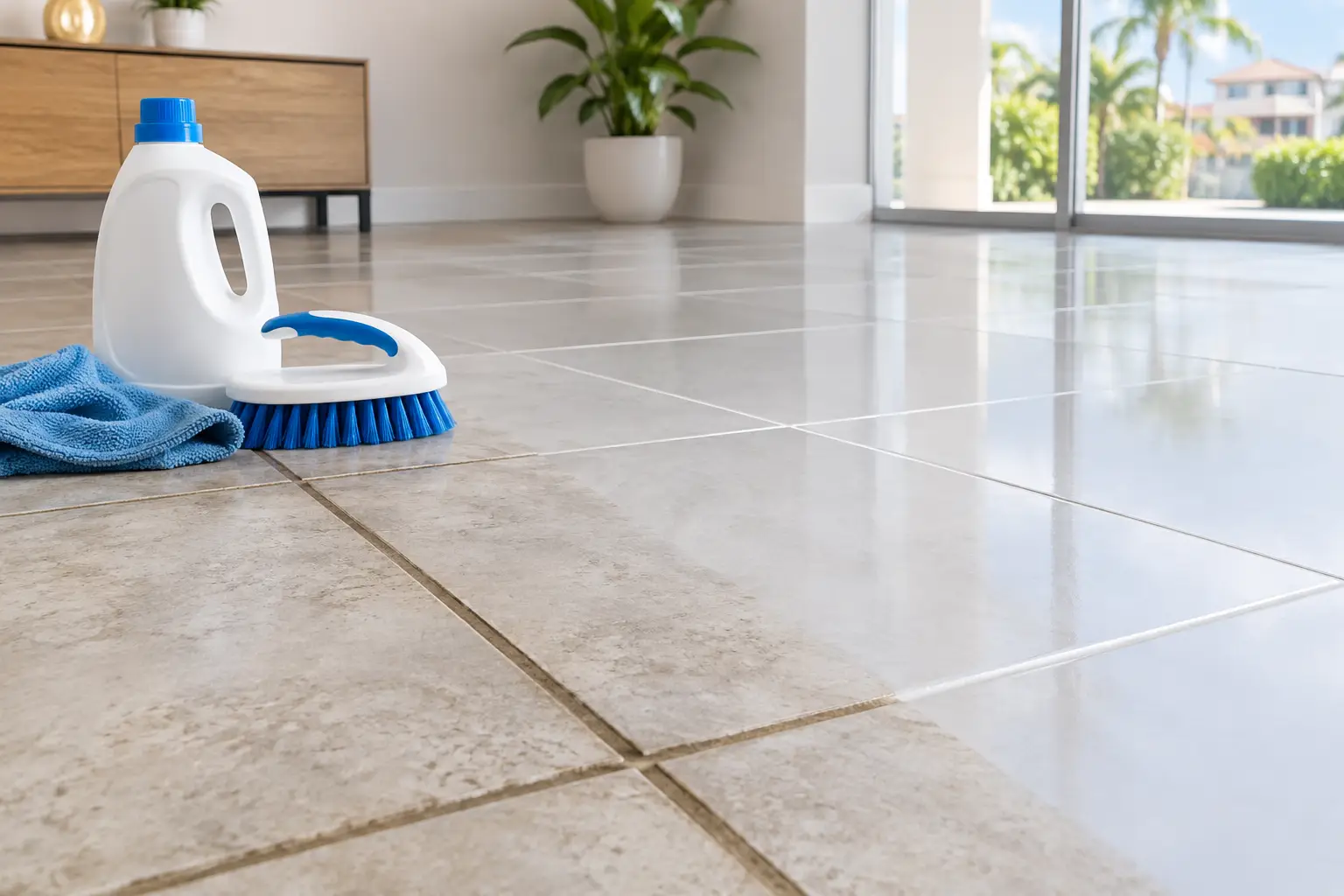
For routine dinginess, a pH-neutral tile and grout cleaner is the safest starting point. It is mild enough for glazed porcelain and suitable for regular maintenance, especially when the floor is mopped often but the grout still looks gray around doorways, kitchens, and hallways. Give the product enough dwell time to loosen soil, then scrub with a nylon grout brush and rinse thoroughly.
For darker, oily buildup in kitchens, entryways, and commercial floors, an alkaline grout cleaner or degreaser is usually the better choice. These cleaners break down oils and ground-in dirt that neutral products may leave behind. Follow the label directions closely, avoid letting the solution dry on the tile, and rinse more than once. Cleaner left behind can attract more soil and leave a sticky or hazy finish.
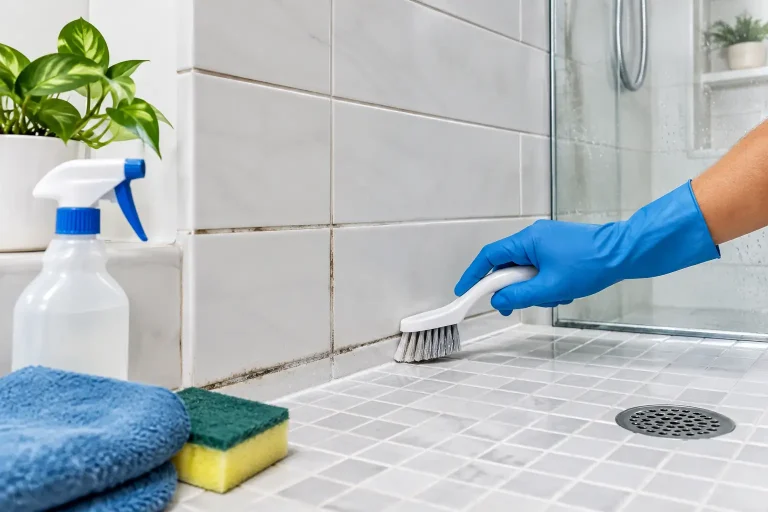
For bathroom grout with organic discoloration, a peroxide-based or oxygen-bleach grout cleaner can be effective. These products are often a better homeowner option than strong chlorine bleach because they work on many organic stains without the same fumes. They still need a test spot first, particularly on colored grout.
There is no single bottle that is best for every floor or shower. The right cleaner matches the stain, the grout condition, and the surrounding materials. A porcelain floor may be durable, but nearby natural-stone trim, metal fixtures, painted surfaces, and caulk can react very differently to a cleaning chemical.
A Simple Rule for Choosing the Right Cleaner
If the grout is generally dull from foot traffic, start neutral. If it feels sticky or looks dark in a kitchen or busy entry, use an alkaline cleaner. If it is discolored around a shower, toilet, or tub and appears related to mildew or soap residue, use a peroxide-based cleaner designed for grout.
If the grout is still dark after proper cleaning, the problem may not be surface dirt. Porous, unsealed grout can absorb staining deep below the surface. At that point, repeated scrubbing often delivers sore knees and little improvement.
What to Avoid on Porcelain Tile and Grout
Porcelain is tough, but grout is a cement-based material in many homes. That is why some popular online cleaning shortcuts can cause more trouble than they solve.
Avoid frequent use of acidic cleaners, including vinegar-based mixtures, on cement grout. Acid can slowly break down grout, leaving it rougher and more likely to absorb future stains. It can also damage or etch natural stone if there is stone tile, marble thresholds, or decorative accents nearby. A single accidental use is not necessarily a disaster, but it should not become the regular plan.
Chlorine bleach has limits too. It can make some stains appear lighter, but it does not always remove the soil causing the discoloration. On colored grout, repeated bleaching can fade the color unevenly. The fumes are also unpleasant in a closed bathroom, and bleach should never be mixed with ammonia, acids, vinegar, or another cleaning product.
Skip wire brushes, steel wool, and highly abrasive powders. They can scratch tile finishes, rough up grout, and make the floor harder to keep clean later. A stiff nylon brush is effective without being overly aggressive.
Steam cleaners can help loosen surface buildup, but they are not a complete answer for deeply stained grout. Excess heat or moisture can also be a concern if grout is cracked, loose, or missing, especially in showers. Do not assume steam alone will restore grout that has absorbed years of soil and mineral deposits.
How to Clean Porcelain Tile Grout Without Overdoing It
Start by vacuuming or dry sweeping. Sand and loose grit can scratch surfaces when you begin scrubbing. Apply the chosen cleaner to a small section of grout rather than coating the entire room. Let it sit for the manufacturer-recommended time, then work the lines with a nylon brush using short back-and-forth strokes.
Rinse the area with clean water and pick up the dirty solution with a microfiber towel, wet vacuum, or mop that is rinsed frequently. This part is easy to overlook. If dirty cleaner is pushed around the floor, it can settle back into grout lines as it dries.
Check the result only after the tile has dried. Wet grout naturally looks darker, so judging it too soon can lead to unnecessary extra applications. If the first attempt improves the grout but does not fully restore it, one more careful application may be worthwhile. If it does not change much, stop escalating to stronger chemicals. That is usually a sign that professional extraction or grout recoloring may be the more practical option.
Why Orlando Grout Gets Dirty So Fast
Central Florida homes deal with a combination that is hard on grout: humidity, frequent rain, sandy foot traffic, pool activity, and air conditioning condensation around entries and utility areas. Bathrooms and showers stay damp longer, which gives soap residue and mildew a better chance to build up. Lanais and entryways collect fine grit that regular mopping can push into porous grout lines.
Hard water can add another layer of frustration. White or chalky deposits may sit on tile and fixtures, while orange or brown staining can appear where water has carried minerals through a shower, around a toilet, or near an exterior threshold. Those stains need a targeted approach, not just more scrubbing.
For rental properties, vacation homes, and busy family households, waiting until grout looks nearly black makes the job harder. Light maintenance between deeper cleanings helps protect the appearance of the floor. Use a neutral cleaner for routine care, dry wet bathroom floors when possible, and clean spills before they have time to soak into grout.
When Professional Tile and Grout Cleaning Makes Sense
Professional service is often the better value when a large floor has dark traffic lanes, a shower has stubborn buildup, or the grout looks unchanged after reasonable DIY cleaning. A specialist can use controlled cleaning solutions, high-pressure steam extraction, and grout-line flushing to pull out soil that a brush and mop cannot reach. The dirty water is removed instead of being spread across the floor.
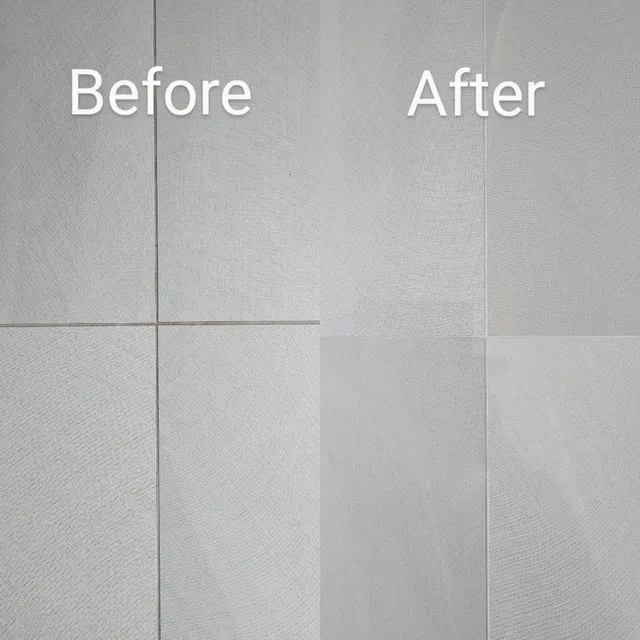
This is especially useful before listing a home, after a tenant move-out, or when preparing an Airbnb or vacation rental for the next guest. Clean grout changes the way a room feels. Kitchens look brighter, showers look cared for, and porcelain tile can look much closer to its original color.
At Dream Clean Orlando, we see this often in homes across Orlando, Winter Park, Windermere, Dr. Phillips, and nearby Central Florida communities: homeowners assume they need new tile when the porcelain is still in good shape. The grout is simply holding years of buildup. After deep cleaning, sealing can help reduce future absorption, while recoloring may be an option when permanent staining or uneven color remains.
Cleaning, Sealing, or Recoloring?
Cleaning is the first choice when grout is dirty but structurally sound. Sealing makes sense after a thorough cleaning when grout is porous and likely to absorb spills, soil, or moisture again. Recoloring is more appropriate when grout is permanently stained, blotchy, or faded and a consistent like-new color is the goal.
No cleaner can repair crumbling grout, missing grout, or failed caulk at a shower edge. Those are repair issues, and cleaning chemicals should not be used to hide them. Address the damaged areas first to help prevent moisture from getting where it does not belong.
A small test area, the right product, and enough rinse water will tell you far more than the most dramatic cleaning promise on a label. If your porcelain tile still looks dull because the grout lines are holding on to years of Florida soil, professional cleaning can be the sensible next step before you consider replacement.