Sticky Floor Causes and How to Fix Them Fast
A floor that feels tacky under bare feet right after you mop is frustrating. It can make a clean kitchen, bathroom, entryway, or business lobby feel unfinished – and sticky floor causes are not always as simple as using the wrong cleaner. On tile and grout, residue, embedded soil, humidity, and worn protective coatings can all create that unpleasant grab underfoot.
The good news is that most sticky floors can be corrected without replacing tile. The right fix depends on whether the tackiness sits on the tile surface, is coming from dirty grout lines, or is caused by a cleaning product that has built up over time.
Common Sticky Floor Causes in Tile and Grout
Too much cleaning product
More cleaner does not always mean a cleaner floor. Many household floor products contain soaps, polymers, oils, fragrances, or shine-enhancing ingredients. When too much product is mixed into the mop bucket, or when it is not rinsed fully, a thin film remains behind as the floor dries.
That film can feel sticky, especially in warm Central Florida homes where humidity slows drying. It also attracts dust, pet hair, and tracked-in dirt. Before long, the floor may look dull or smudged even though it is being mopped regularly.
This is especially common with no-rinse cleaners. They can be convenient for light maintenance, but repeated use on heavily used tile can leave layers that a normal mop simply redistributes.
Dirty mop water and worn mop heads
A mop is only as clean as the water and head being used. Once the water turns gray, it is no longer lifting soil effectively. It is depositing a diluted mix of dirt, grease, and cleaner back across the tile.
String mops and sponge mops can also hold residue deep inside the fibers or pores. If they are not washed thoroughly and dried between uses, they can leave a sticky or sour-smelling film behind. Replace mop heads regularly, and change the water before it becomes visibly dirty.
Grease from kitchens and cooking areas
Kitchen tile often becomes sticky for a different reason: airborne cooking grease. Even homes that do not fry food often can develop a light grease film near ranges, islands, and dining areas. Grease mixes with dust and cleaning solution, creating a surface that feels tacky and looks hazy in certain light.
Restaurants, break rooms, and rental properties with frequent cooking can have a heavier version of the same issue. A general-purpose mop may remove surface crumbs but may not break down the greasy layer bonded to textured tile or grout.
Soap, body oils, and hard-water residue
Bathroom and shower floors collect soap residue, shampoo, body oils, and mineral deposits from hard water. These materials can make tile feel slick when wet, sticky when dry, or both. Shower grout may also darken because it is porous and holds moisture, residue, and bacteria below the surface.
Avoid treating every bathroom floor with a strong acidic cleaner. Acid can be damaging to natural stone, certain grout conditions, and some finishes. The correct cleaner depends on the tile material and the type of buildup present.
Embedded soil in textured tile and grout
Textured porcelain, ceramic tile, travertine, and other hard surfaces have small pits, ridges, or pores where grime settles. Routine mopping cleans the high points first, while soil remains in the low spots. That trapped grime can feel sticky as it mixes with moisture and cleaning chemicals.
Grout lines are even more vulnerable. Unsealed or aging grout absorbs spills, oils, and dirty water. If the tile looks reasonably clean but the floor still feels tacky or grimy, the problem may be below the surface rather than on top of it.
Spills, pet accidents, and residue from previous treatments
Some sticky spots are very localized. A spilled soft drink, cooking oil, cleaning spray, adhesive residue, pet accident, or old wax treatment can leave a stubborn patch that stands out from the rest of the room. If the tackiness is limited to one area, inspect it closely before cleaning the entire floor with a new product.
Avoid scraping tile with metal blades or using harsh solvents without testing a hidden location first. Certain products can affect grout color, strip sealers, or leave their own residue behind.
How to Remove a Sticky Film Safely
Start by removing loose dust and debris with a vacuum designed for hard floors or a dry microfiber mop. This matters because wet mopping over grit can push soil into grout and textured surfaces.
Next, use warm water and a small amount of a pH-neutral cleaner that is appropriate for your flooring. Follow the label dilution instructions exactly. A concentrated cleaner can create the very residue you are trying to remove.
Mop a small section at a time, then rinse with clean water using a separate mop pad or microfiber cloth. For a light product film, one or two clean-water rinses may be enough. Dry the floor with clean towels or allow good airflow so leftover moisture does not hold humidity and soil on the surface.
If the problem is grease, use a tile-safe degreasing cleaner rather than adding extra all-purpose cleaner. Let it dwell for the recommended time, gently agitate the surface with a soft brush, and then rinse thoroughly. Never assume one formula is safe for every floor. Natural stone, sealed tile, unsealed grout, and coated commercial flooring all need different care.
When Mopping Is No Longer Enough
A floor that becomes sticky again within days is often telling you that the buildup is deeper than a mop can reach. This is common in kitchens, bathrooms, entryways, rental turnovers, restaurants, and commercial spaces with heavy foot traffic.
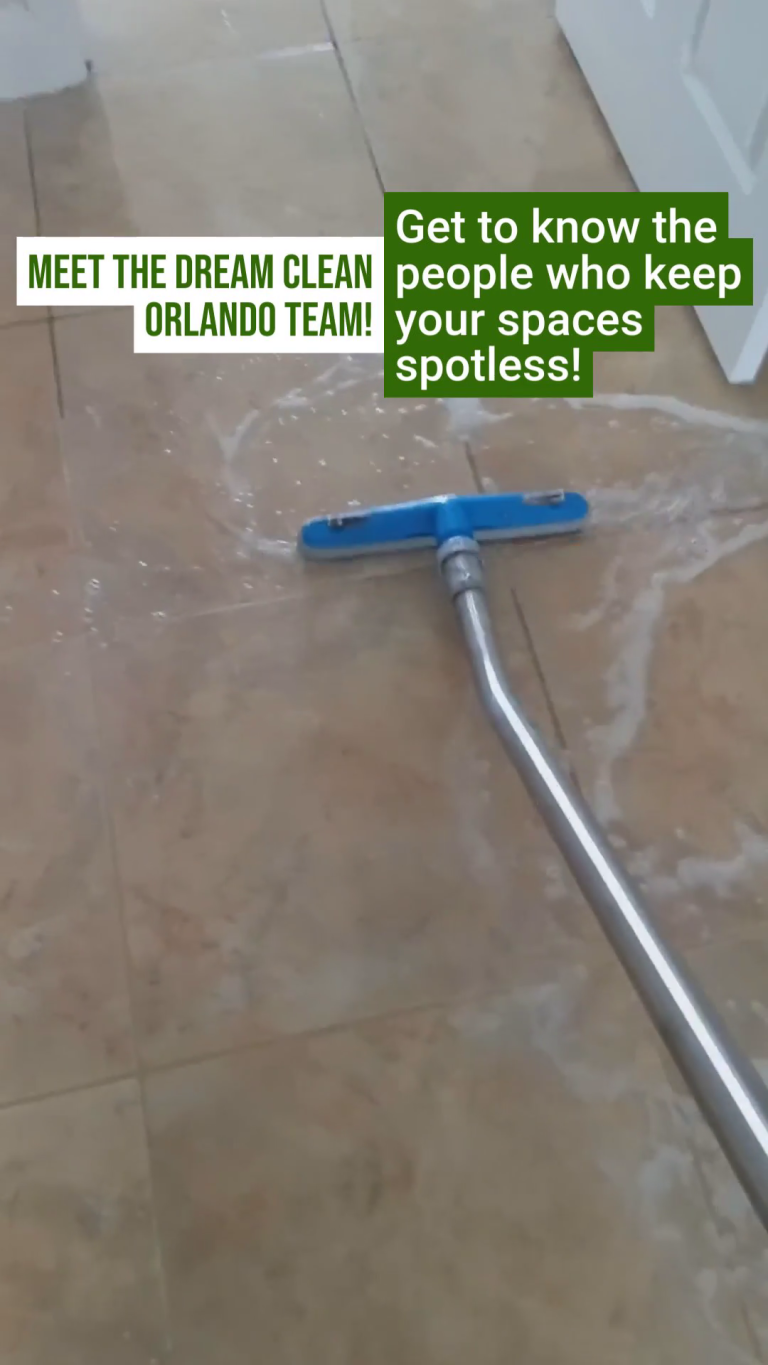
Professional tile and grout cleaning uses maximum heat, pressure, and extraction to loosen and remove embedded soil instead of spreading it across the surface. Truck-mounted equipment and controlled high-pressure cleaning can flush dirty grout lines and textured tile, while powerful extraction removes the wastewater from the floor.
That extraction step is important. If loosened grease, soap residue, and soil are left behind, they can dry into another dull or tacky layer. Professional cleaning is also useful when there is an unknown residue, a large area to restore, or delicate stone that should not be treated with trial-and-error chemicals.
After deep cleaning, sealing grout can make regular maintenance easier. A quality sealer helps slow the absorption of spills and soil, but it is not a substitute for cleaning. In areas with permanently uneven grout color or stubborn staining, color sealing may provide a more consistent, renewed appearance while adding protection.
Prevent Sticky Floors From Coming Back
The best maintenance routine is simple and consistent. Sweep or vacuum often, especially near exterior doors and cooking areas. Use less cleaner than you think you need, change mop water frequently, and rinse when the product calls for it. Microfiber pads are often easier to wash thoroughly than traditional mop heads.
Place mats at entrances, but clean the mats too. A dirty mat can transfer oils and fine grit right back onto the tile. In bathrooms, run the exhaust fan during and after showers to reduce lingering moisture and residue.
For homes with kids, pets, or busy kitchens, schedule a deeper clean before the floor reaches the point where mopping no longer makes a visible difference. For commercial properties, regular professional maintenance can protect the appearance of the flooring and help staff spend less time fighting recurring buildup.
If your tile still feels tacky after proper rinsing, do not keep adding stronger cleaners. That usually compounds the problem. Dream Clean Orlando can identify the source of the buildup and restore tile and grout with professional-grade cleaning, careful extraction, and practical protection for the way your space is actually used.
A clean floor should feel clean, not grab at your shoes or bare feet. When the right cleaning method removes the residue instead of covering it up, your tile is easier to maintain and far more comfortable to live or work on.