
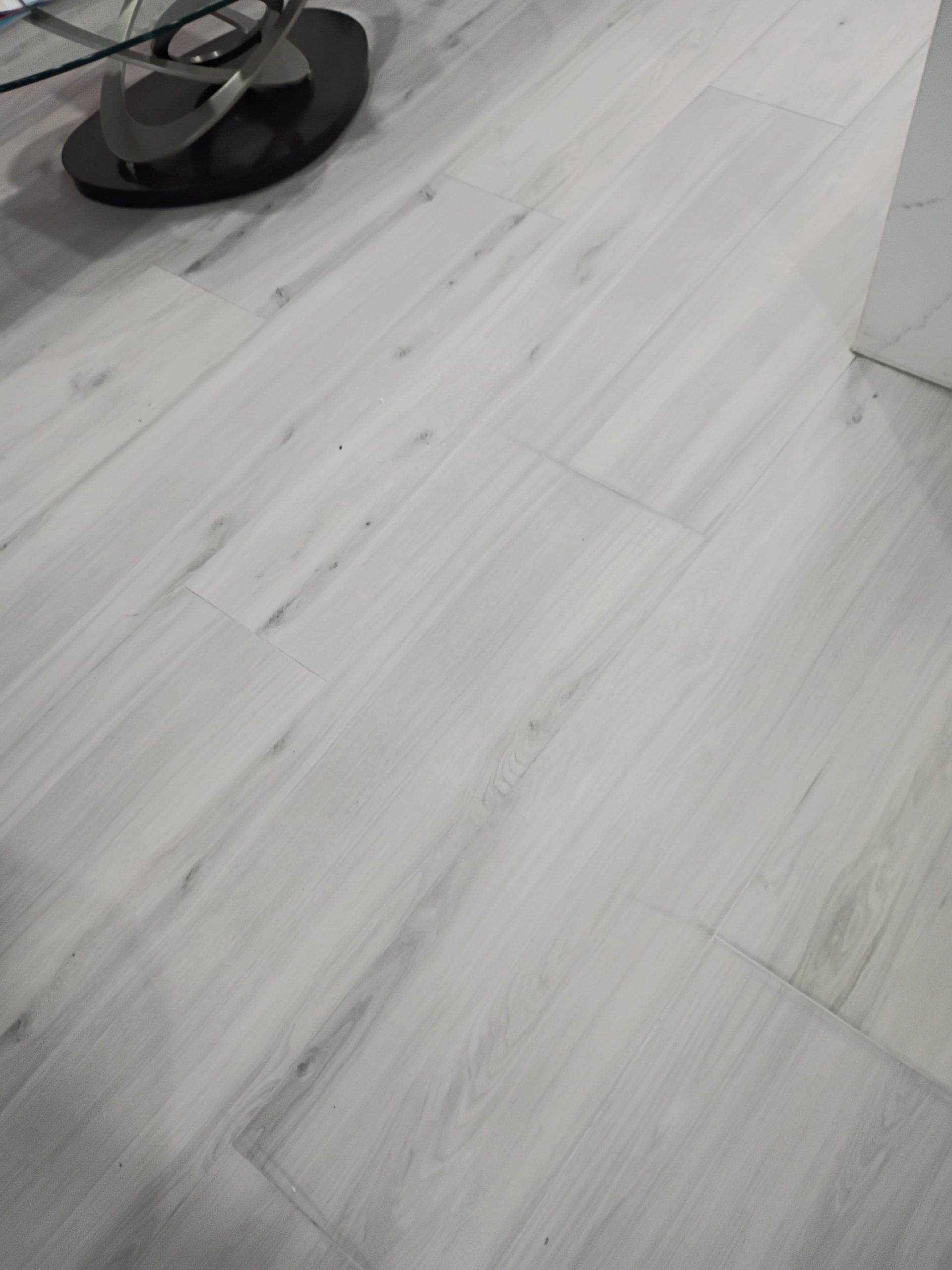
Can Professionals Remove Grout Stains for Good?
A tile floor can look freshly mopped and still appear dirty because the grout lines have absorbed months or years of soil, spills, soap residue, and moisture. Can professionals remove grout stains? In many cases, yes. The right equipment and process can make a dramatic difference without the cost and disruption of replacing tile.
For Orlando homes and businesses, the answer depends on what caused the discoloration, how long it has been there, and whether the grout itself is still in sound condition. Professional cleaning can lift a great deal of embedded buildup. When cleaning alone cannot return the grout to a consistent color, repair or color sealing may be the better restoration option.
Can Professionals Remove Grout Stains Without Replacing Tile?
Professional grout cleaning is designed to reach below the surface where ordinary mopping stops. Grout is porous, especially if it was never sealed or if an old sealer has worn away. Dirty mop water, cooking grease, shower products, hard-water minerals, and tracked-in soil can settle into those tiny pores. Over time, the grout darkens, yellows, or develops uneven spots that seem permanent.
A professional can often remove stains caused by everyday traffic, surface grime, soap scum, body oils, food spills, and mineral buildup. In kitchens, grease and cooking residue are common culprits. In showers, the problem is usually a mix of soap residue, moisture, hard water, and mildew staining. Entryways and hallways tend to collect ground-in soil that gets pushed deeper into grout every time the floor is mopped.
The key difference is extraction. Rather than spreading loosened soil across the floor, a professional process uses specialized cleaning solutions, heat, pressure, and recovery equipment to flush dirty water from the grout lines. Truck-mounted steam cleaning equipment can provide the maximum heat, pressure, and extraction needed for heavily soiled tile and grout.
What Types of Grout Stains Can Be Removed?
Many grout stains respond well to a deep cleaning when the grout is structurally intact. This includes dark traffic patterns, dull gray buildup, greasy kitchen grout, shower residue, hard-water deposits, and stains from everyday spills. Professional-grade solutions are selected based on the surface and soil type, then paired with controlled agitation and high-pressure extraction.
That said, not every discoloration is simply dirt. Some stains have permanently changed the grout or penetrated deeply over many years. Rust, certain dyes, mold-related staining, old paint, harsh chemical damage, and damage from repeated acidic cleaners can be more difficult to fully remove. Natural stone and travertine also require a careful approach because the wrong cleaner can etch or damage the surface around the grout.
An honest assessment matters. A qualified cleaning professional should explain whether deep cleaning is likely to restore the original look, improve it significantly, or whether color sealing offers a more complete, uniform finish.
Cleaning, repair, or color sealing: which is right?
Deep cleaning is usually the first step when grout is dirty but otherwise intact. It preserves the existing grout color and can produce impressive before-and-after results, especially on ceramic and porcelain tile floors.
Grout repair is appropriate when lines are cracked, missing, crumbling, or allowing moisture to get behind the tile. This is especially important in showers, where failed grout can contribute to ongoing moisture issues. Cleaning damaged grout may improve its appearance, but it will not fix the underlying condition.
Color sealing is often the best answer for grout that remains blotchy after cleaning or has permanent discoloration. A color sealant coats the grout evenly, giving it a consistent color while helping protect it from future stains and moisture. It can also change outdated grout from a dark, uneven shade to a cleaner-looking color that better suits the room.
Why Mopping Does Not Fix Stained Grout
Mopping is useful for routine floor care, but it is not a grout restoration method. A mop cleans the tile surface and may remove loose debris, yet it often leaves dirty water in the grout lines. On textured tile, uneven floors, and wide grout joints, this effect can be even more noticeable.
Store-bought cleaners can also create problems when used repeatedly. Some leave sticky residue that attracts more dirt. Others are too harsh for grout, natural stone, or nearby surfaces. Bleach may lighten some surface staining temporarily, but it can weaken grout over time and does not reliably remove the deeply embedded soil that causes uneven color.
Professional tile and grout cleaning focuses on removal, not just surface brightening. The process typically begins with an inspection to identify the tile material, grout condition, and likely source of staining. A technician then applies appropriate solutions, agitates stubborn areas, and uses high-pressure hot-water extraction to flush and recover the loosened buildup. The result is a cleaner floor with less residue left behind.
What to Expect From a Professional Grout Cleaning Appointment
A proper service should be tailored to the room and the material, not treated as a one-size-fits-all job. Shower tile may require attention to soap scum, mineral deposits, and corners where moisture lingers. Kitchen tile may need a degreasing treatment. Commercial floors may need a process built around high traffic, food service residue, or regular maintenance schedules.
The technician should inspect the tile first, including any cracked grout, loose tiles, caulk issues, or areas of staining that may not fully lift. From there, the floor is treated and cleaned using professional equipment designed to rinse out soil effectively. The work is detailed around edges, grout lines, and high-traffic areas where buildup is often heaviest.
For households with children, pets, or sensitive surfaces, product selection matters. Eco-friendly professional products can be used where appropriate, while still providing the cleaning strength needed to restore hard surfaces safely. The goal is not to overwhelm the room with harsh chemicals. It is to remove the buildup that makes the floor look and feel unclean.
Dream Clean Orlando provides licensed and insured tile and grout restoration with honest recommendations on whether cleaning, repair, sealing, or color sealing will offer the best value for your surface.
How Long Will Clean Grout Stay Clean?
Results last longer when grout is protected and maintained correctly. Unsealed grout can begin absorbing new soil quickly, particularly in busy kitchens, bathrooms, rental properties, restaurants, and entryways. Applying a quality grout sealer after cleaning helps reduce absorption and makes future maintenance easier.
Sealing is not a substitute for regular cleaning, but it gives spills and soil less opportunity to penetrate. For showers, good ventilation and prompt cleanup of soap residue help prevent buildup. For floors, use a neutral cleaner recommended for tile and avoid soaking the grout with dirty mop water.
If your grout was color sealed, routine upkeep is usually simpler because the surface is more uniform and better protected. Avoid abrasive scrubbers and strong acidic products, which can wear down the protective finish. A professional can recommend a maintenance schedule based on the room, tile type, and amount of traffic.
When It Is Time to Call a Professional
If your tile still looks dirty right after mopping, the grout lines are likely holding embedded soil that household cleaning cannot reach. It is also time for an inspection when grout is unevenly colored, shower walls have persistent residue, kitchen floors feel greasy, or a property needs a visible refresh before move-in, listing, or tenant turnover.
For commercial properties, stained grout can affect how customers, residents, and employees perceive the space. Clean, well-maintained hard surfaces support a more sanitary appearance and can help extend the life of flooring that would otherwise be replaced too soon.
Before assuming your floor needs new tile, have the grout evaluated. A professional deep cleaning may bring the original color back to life, and when it cannot, repair and color sealing can provide a practical path to a cleaner, more consistent finish.