Steam Extraction Versus Scrubbers for Tile
A floor can look clean right after mopping and still have dark grout lines, sticky traffic lanes, and a dull finish. That is where the question of steam extraction versus scrubbers matters. Both methods have a place in tile maintenance, but they do very different jobs. Choosing the wrong one can leave behind the soil, moisture, or residue that made the floor look worn in the first place.
For most Orlando homes and commercial spaces with visibly soiled grout, professional steam extraction provides the deeper reset. Floor scrubbers can be useful for routine upkeep on open tile areas, but they usually cannot flush contamination out of narrow, porous grout lines the way high-pressure extraction can.
What Steam Extraction Does for Tile and Grout
In professional tile cleaning, “steam extraction” commonly describes a heated, high-pressure cleaning process followed immediately by powerful vacuum recovery. Truck-mounted equipment sends hot water and an appropriate cleaning solution into the tile and grout surface, loosening embedded soil, grease, soap residue, and buildup. The recovery tool then pulls the dirty water away instead of spreading it across the floor.
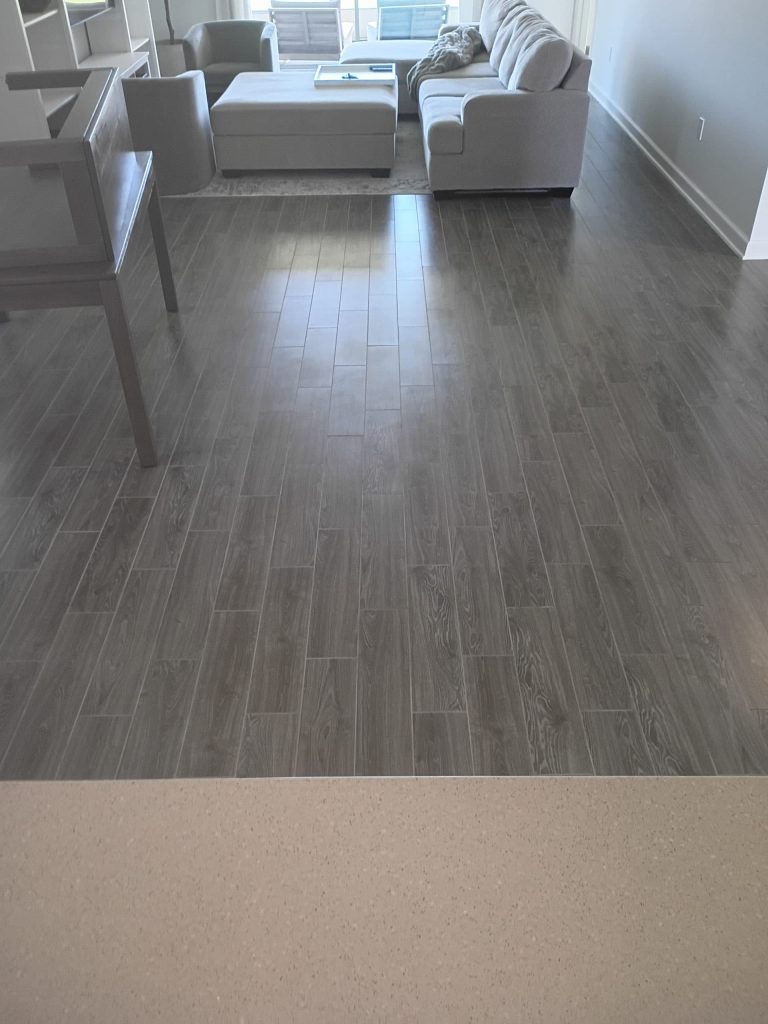
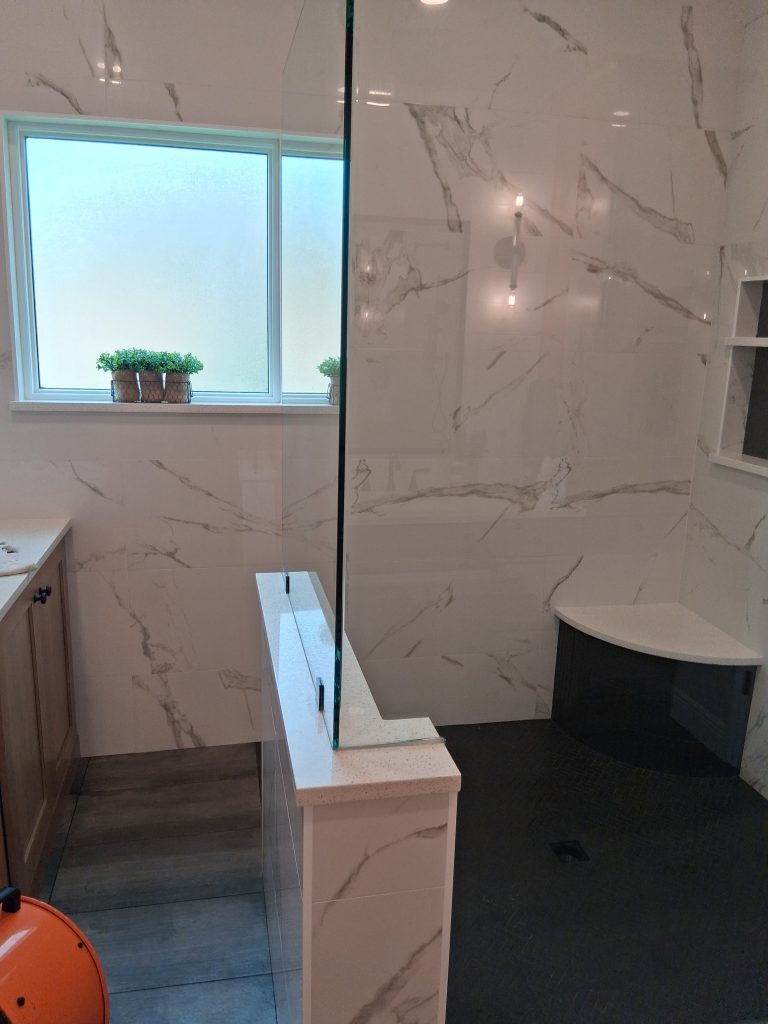
That extraction step is the difference customers can see. Grout is lower than the face of the tile and has a porous texture, so it collects grime that a mop pad, sponge, or brush often glides over. Kitchen floors may hold cooking oils and tracked-in dirt. Bathrooms collect body oils, soap film, hard-water minerals, and mildew-prone residue. In Central Florida, humidity can also make it especially important not to leave excess moisture behind.
A professional technician adjusts heat, pressure, cleaning chemistry, and tools to the material being cleaned. Ceramic and porcelain tile can often handle more aggressive flushing than delicate natural stone, travertine, cracked grout, or older tile installations. The goal is not simply to blast the surface. It is to remove the soil while protecting the tile, grout, surrounding baseboards, and finishes.
Why extraction matters after agitation
Cleaning requires more than loosening dirt. Once soil is suspended in water or cleaning solution, it needs to be removed. Steam extraction combines agitation, rinsing, and recovery in one process. The dirty slurry is pulled into the equipment rather than left on the floor to dry back into grout lines.
This can improve both appearance and hygiene. It also helps reduce the sticky residue that attracts new dirt quickly after an incomplete cleaning. When the grout has been cleaned thoroughly, sealing or color sealing can provide a more reliable layer of long-term protection.
What Floor Scrubbers Do Well
A scrubber uses rotating or oscillating pads, brushes, and water or cleaning solution to agitate a hard surface. Larger walk-behind or ride-on machines are common in restaurants, retail spaces, schools, apartment corridors, and other facilities with broad, relatively open flooring. Smaller scrubbers can be practical for routine cleaning in homes and businesses as well.
On smooth tile with light-to-moderate surface soil, a properly used scrubber can make regular maintenance faster and more consistent than a traditional mop. It can be especially helpful when a commercial floor needs frequent cleaning between deeper restoration services.
Many scrubbers also have a squeegee and recovery tank, which is better than using a mop bucket alone. However, their cleaning action is primarily designed for the flat tile surface. The pads and brushes may not reach deeply into recessed grout, textured tile, corners, shower edges, or tight spaces along walls and fixtures.
A scrubber can also struggle when grout is heavily stained or filled with oily residue. If the machine distributes too much solution, uses a dirty pad, or has worn squeegees, it may leave moisture and soil behind. That does not mean scrubbers are ineffective. It means they are a maintenance tool, not always a restoration tool.
Steam Extraction Versus Scrubbers: The Real Difference
The main difference is how each method handles contamination below the tile surface. A scrubber works best by mechanically cleaning across a floor. Steam extraction uses heat, pressure, specialized solutions, and vacuum recovery to flush soil from grout lines and remove it from the area.
For a lightly soiled retail floor that receives daily attention, a scrubber may be the sensible choice. For grout that has turned gray, brown, or black despite regular mopping, extraction is usually the stronger option. The same is true for bathroom tile with soap residue, shower floors with mineral buildup, and kitchen grout affected by grease.
Neither method is automatically right for every surface. Natural stone needs stone-safe products and controlled pressure. Loose or damaged grout may need repair before deep cleaning. Severe discoloration can be permanent staining rather than removable dirt, in which case grout color sealing may produce a more even, restored appearance than cleaning alone.
Side-by-side considerations
When comparing methods, consider the condition of the surface rather than only the square footage. Steam extraction is generally better for deep grout cleaning, flushing embedded dirt, removing cleaning solution, and preparing grout for sealing. Scrubbers are generally better for frequent cleaning of large, open floor areas with manageable surface soil.
Dry time also depends on equipment and technique. A professional extraction system with strong vacuum recovery can leave a floor much less wet than customers expect. A scrubber can dry quickly on open flooring when its recovery system is working well, but poorly maintained equipment can leave streaks or wet edges. Good airflow, indoor humidity, floor texture, and the amount of soil being removed all affect drying time.
When a Scrubber Is Not Enough
If a tile floor has been mopped repeatedly but still looks dirty, the problem is often not a lack of effort. Mopping can push dirty water into grout lines, especially when the water is not changed often. Over time, detergent residue and dissolved soil settle into the grout and make the floor look dull shortly after each cleaning.
Signs that a deeper service may be needed include dark grout in traffic paths, grout that feels sticky or greasy, a bathroom floor with a persistent haze, shower tile with buildup near drains and corners, or tile that looks uneven in color after it dries. Commercial facilities may notice that entryways, food-service areas, restrooms, and hallways look worn long before the tile itself has reached the end of its life.
At that point, adding more scrubbing can sometimes create more work without solving the underlying buildup. Professional extraction removes the loosened material instead of relying on repeated surface agitation.
A Better Approach for Orlando Tile Floors
The best cleaning plan is often a combination of deep restoration and practical maintenance. Start with professional high-pressure steam extraction when grout lines are visibly soiled, tile feels tacky, or routine cleaning has stopped producing a fresh appearance. Afterward, use the right neutral cleaner and a clean microfiber mop or properly maintained scrubber for ongoing care.
For grout that is in good condition after cleaning, sealing can help limit moisture and soil absorption. In high-traffic kitchens, busy bathrooms, rental properties, and commercial spaces, grout color sealing can be a practical restoration option when stains remain or a uniform color is desired. It creates a more consistent finish while making future maintenance easier.
Dream Clean Orlando evaluates the tile type, grout condition, level of buildup, and use of the space before recommending a process. This matters because a shower floor, a travertine entryway, and a restaurant dining area should not all be cleaned with the same settings or products.
Protect the Result After Deep Cleaning
Once grout is restored, the goal is to keep dirt from building up again. Wipe up spills promptly, use entry mats in busy doorways, and avoid heavy waxes or harsh cleaners that can leave residue. In showers, a quick rinse and squeegee after use can reduce soap and mineral buildup before it becomes difficult to remove.
For commercial floors, regular scrubber service can be an excellent partner to periodic extraction. The scrubber handles day-to-day traffic, while deep cleaning addresses the grout and textured areas that routine equipment cannot fully reach. This approach helps protect the appearance of the floor without treating every cleaning need like a full restoration project.
A clean tile floor should not only look brighter under the lights. It should feel clean underfoot, dry properly after service, and stay easier to maintain in the weeks ahead. When grout has stopped responding to mopping or scrubbing, a professional extraction service can be the practical next step before considering costly replacement.