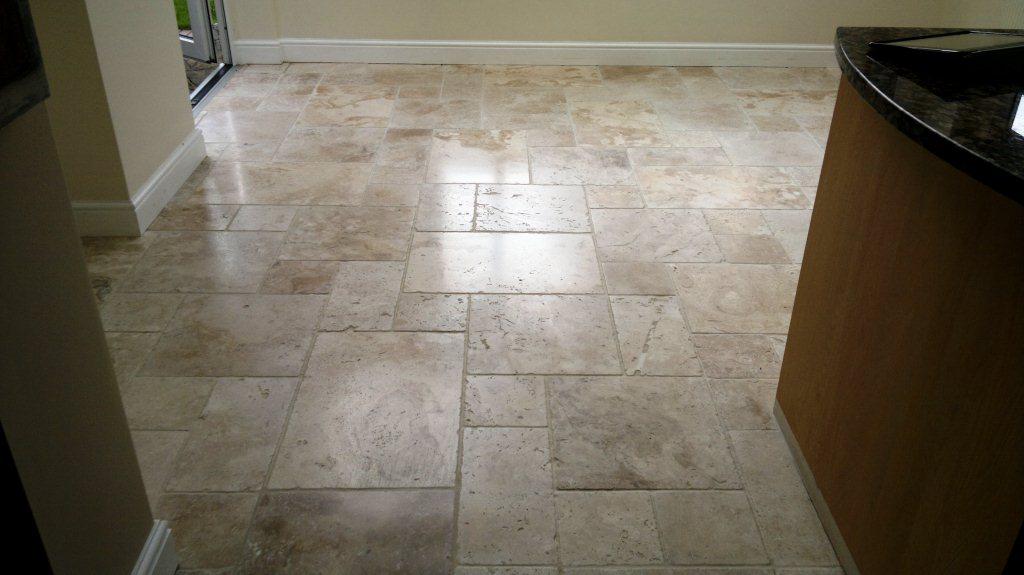
When to Book a Travertine Floor Cleaning Service
Travertine can make a kitchen, bathroom, entryway, or patio feel warm and high-end, but it also shows the effects of Central Florida living. Fine grit, tracked-in moisture, spills, hard-water residue, and everyday foot traffic settle into its natural pores. A professional travertine floor cleaning service reaches the soil that mops leave behind while treating this softer natural stone with the care it requires.
Unlike porcelain or ceramic tile, travertine is not a surface that should be attacked with whatever cleaner happens to be under the sink. The right cleaning method can bring back its natural color and cleaner finish. The wrong one can leave it dull, etched, streaky, or harder to maintain.
Why Travertine Looks Dirty Even After Mopping
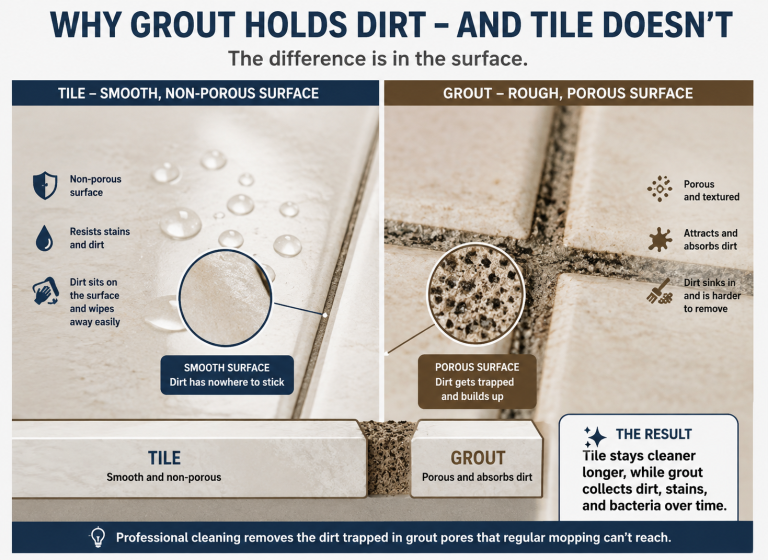
Travertine is a form of natural limestone with small pits, pores, and mineral variations that give it character. Those same features are excellent hiding places for grime. A mop may remove loose debris from the top of the floor, but dirty water can settle into low areas, grout lines, and textured sections of the stone.
In busy homes, kitchen floors often collect cooking residue and crumbs ground in by shoes. Bathroom travertine can develop soap film, body-oil residue, mineral buildup, and discoloration near showers or vanities. Entryways and living areas tend to hold fine sand and outdoor soil that slowly abrade the finish when people walk across it.
A floor can be technically clean enough to walk on and still look gray, blotchy, or dull. That is usually a sign that embedded soil, residue, or damaged protection is changing how the stone reflects light. Replacing the floor is rarely the first answer. Proper restoration cleaning and sealing may make a noticeable difference at a far lower cost.
What a Professional Travertine Floor Cleaning Service Does Differently
Travertine needs cleaning power, but it also needs control. A professional technician evaluates the condition of the stone, the grout, the amount of buildup, and any existing sealer before choosing the process. That matters because one floor may need a deep clean and fresh protection, while another may have etching, filled areas, loose grout, or stains that call for more specialized restoration work.
For routine deep cleaning, the goal is to loosen soil without damaging the stone. Industrial-grade, stone-appropriate cleaning solutions are applied where needed to break up grime and residue. Specialized tools work the solution into textured areas and grout lines rather than simply spreading dirt across the floor.
Then, truck-mounted steam-cleaning equipment and high-pressure extraction flush away the suspended soil. The extraction step is especially important. Cleaning without effective recovery can leave residue in the pores or push dirty water into grout lines. With controlled heat, pressure, and extraction, the floor is rinsed and soil is removed instead of being left to dry back into the surface.
This process can improve the appearance of both the travertine and the grout surrounding it. It also helps reduce the sticky or gritty feeling that can remain after repeated mopping with household products.
Not Every Mark Is a Cleaning Problem
Honest service means setting realistic expectations. Some dark spots are embedded soil and respond very well to deep cleaning. Others may be permanent mineral staining, etching from acidic products, scratches, chips, or wear in the stone itself. Deep cleaning can make these issues less noticeable by removing the surrounding dirt, but it cannot always reverse physical damage.
Etching is a common concern with travertine. Lemon juice, vinegar, many bathroom cleaners, and acidic products can react with calcium-based stone, leaving lighter dull marks or rough areas. These are not ordinary stains, so scrubbing harder will not solve them. Depending on their severity, they may require honing, polishing, or another restoration approach beyond standard cleaning.
Why Vinegar and Harsh Cleaners Are a Bad Match for Travertine
Vinegar is often recommended as a general household cleaner, but it is not safe for travertine. Its acidity can etch the stone and weaken the polished or honed appearance. Citrus-based acidic cleaners, toilet bowl cleaners, and many heavy-duty bathroom formulas can create the same problem.
Abrasive powders and stiff brushes can also be risky. They may scratch the stone, wear down filled holes, or roughen a smooth finish. Even products labeled for “tile” are not automatically safe for natural stone. Tile can mean many different materials, and the cleaner that works well on durable porcelain may damage travertine.
For daily care, use a soft microfiber mop, clean water, and a pH-neutral cleaner approved for natural stone. Change the water often. Mopping with dirty water is one of the fastest ways to make a light-colored travertine floor look dull again.
Sealing Helps Keep Clean Travertine Looking Clean
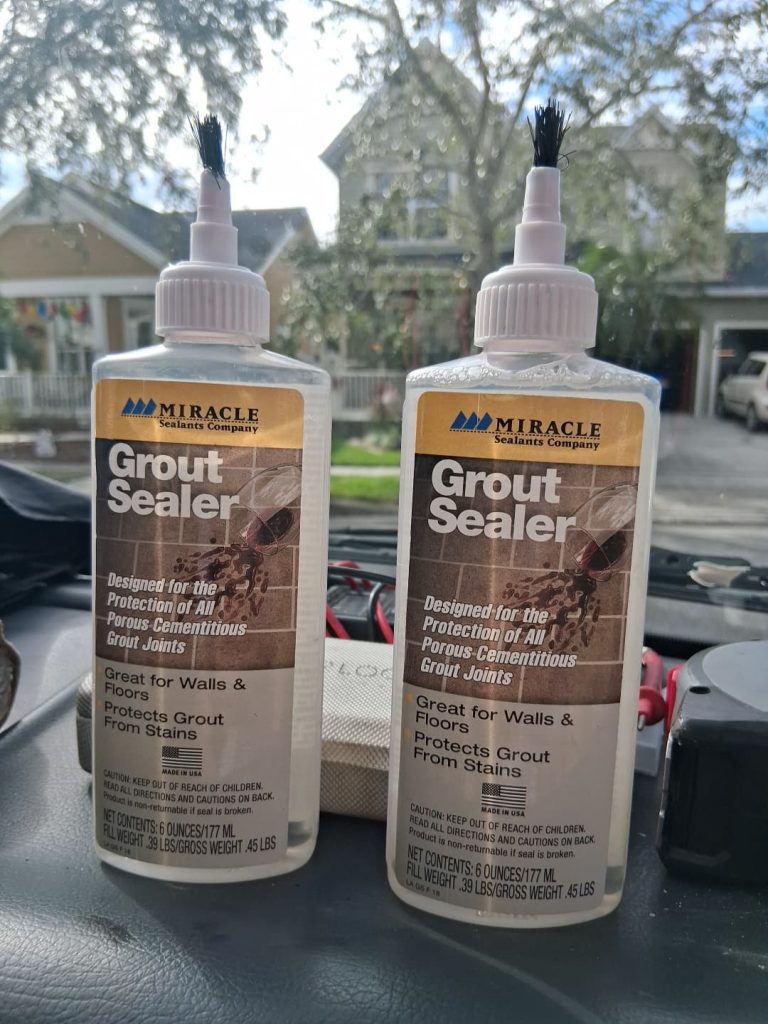
After a deep cleaning, protective sealing is often the next smart step. Travertine is naturally absorbent, which means unsealed or worn stone can take in spills and moisture more easily. A quality penetrating sealer helps slow absorption so everyday spills can be cleaned up before they become a larger problem.
Sealing is not a substitute for maintenance, and it does not make the floor stain-proof. It gives homeowners and facility teams more time to respond to spills while making routine cleaning easier. The right schedule depends on the type of travertine, where it is installed, traffic levels, moisture exposure, and the sealer already on the floor.
A bathroom floor near a shower, for example, may need more frequent attention than a low-traffic formal room. Restaurant, retail, office, and apartment common-area floors may need a regular professional maintenance plan because grease, traffic, and frequent wet cleaning wear down protection faster.
Signs It Is Time to Schedule Service
If you are unsure whether professional cleaning is worthwhile, look at the areas people use most. A cleaned throw rug or moved piece of furniture can reveal the original color of the stone underneath. That contrast often makes the buildup easier to see.
It is a good time to call for help when your travertine stays dull after mopping, grout lines look darker than they used to, or the floor feels sticky even after cleaning. White mineral deposits, soap residue, dark traffic paths, uneven color, and recurring stains are also signs that household cleaning is no longer reaching the problem.
For landlords and property managers, a professional cleaning before a turnover can help a unit show better without the expense and disruption of replacement. For commercial spaces, visibly cleaner floors support the impression customers, tenants, patients, and employees form as soon as they walk in.
A Better Maintenance Routine After Deep Cleaning
Professional cleaning gives travertine a cleaner starting point. Keeping that result usually comes down to simple habits done consistently. Sweep or vacuum with a hard-floor setting before grit has time to grind into the surface. Use entry mats in high-traffic doors, and clean spills promptly with a soft cloth and stone-safe cleaner.
Avoid soaking the floor. Excess water can carry soil into pores and grout lines, particularly on textured travertine. In bathrooms, improve ventilation and wipe up standing water around showers, tubs, and vanities. In kitchens, clean grease splatters before they become a film that catches more dirt.
If you have pets, kids, frequent guests, or a busy business, more frequent light maintenance is usually better than occasional aggressive scrubbing. Travertine rewards gentle, consistent care.
Local Care for Valuable Natural Stone Floors
A travertine floor is an investment, and it deserves more than a one-size-fits-all cleaning method. Dream Clean Orlando provides licensed, insured hard-surface cleaning with the equipment and detail-focused approach needed for natural stone, tile, and grout throughout Orlando and Central Florida.
Before booking, take note of the rooms that concern you most and whether the issue is dullness, stains, grout discoloration, shower buildup, or high-traffic soil. Clear access to the floor when possible, and point out any past repairs or areas treated with a coating or sealer. Those details help a technician recommend the right service rather than oversell work you do not need.
A properly cleaned and protected travertine floor should still look like natural stone, with its own variation and character, just cleaner, brighter, and easier to care for. If your floors have lost that look, professional attention can be a practical way to protect what you already own.