Steam Cleaning Textured Tile Floors Safely
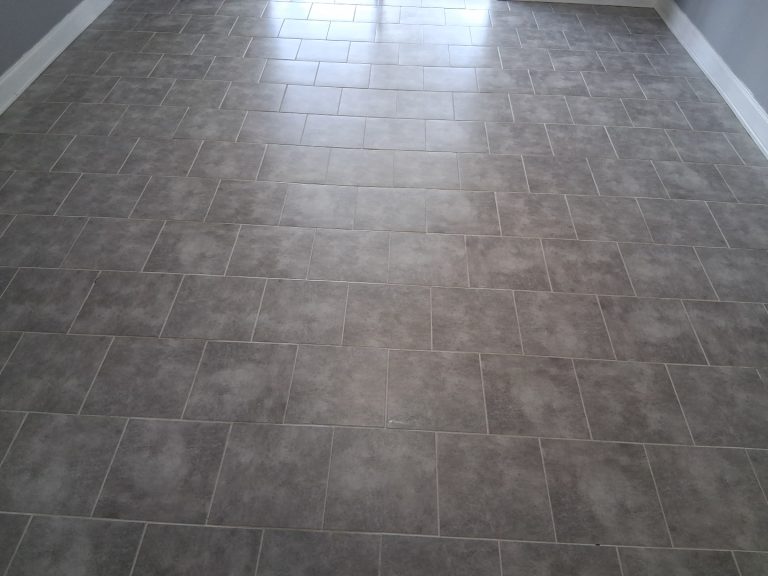
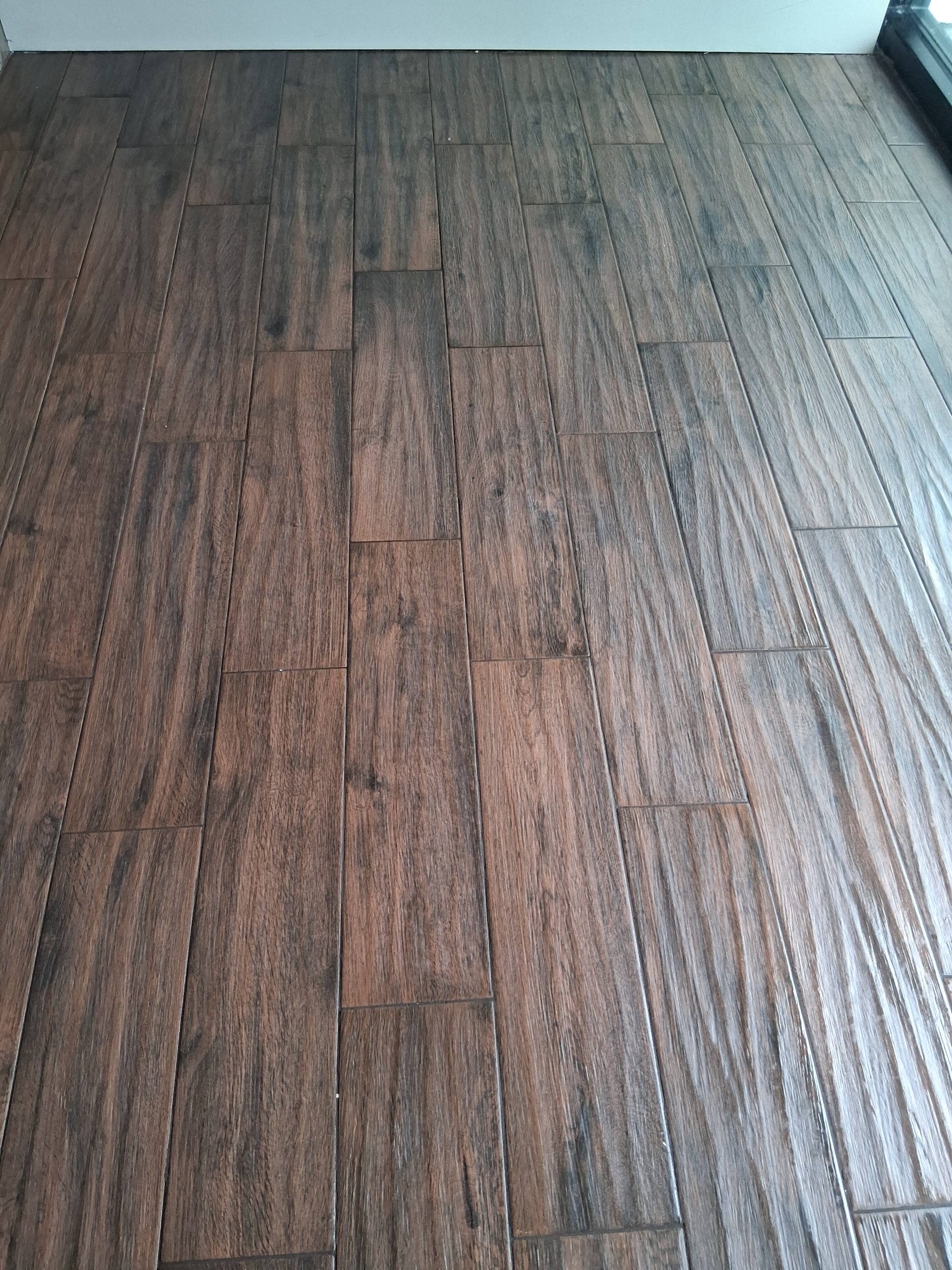
Textured tile is built to add grip, character, and a more natural look to a room. It also gives dirt, cooking grease, soap residue, and mop water plenty of small places to hide. That is why steam cleaning textured tile floors often delivers a much bigger change than homeowners expect. A floor can look dull and dirty even after regular mopping because the problem is sitting down inside the texture and grout lines, not on the flat surface.
For Central Florida homes and commercial spaces, humidity, sand, rainy-day traffic, and busy kitchens can make that buildup happen quickly. The right professional cleaning method can lift embedded soil without leaving the floor soaked or covered in residue. The key is using heat, cleaning solutions, controlled pressure, and powerful extraction together – not simply applying steam and hoping for the best.
Why Textured Tile Holds More Dirt
Textured ceramic and porcelain tile have small ridges, pits, grooves, or raised patterns that make the material less slippery. Those details are useful in bathrooms, showers, entryways, pool-adjacent areas, kitchens, and commercial spaces. But they also work like tiny collection points for grime.
A mop glides over the highest points of the tile. It may freshen the visible surface, but it cannot flush soil from every depression in the finish. In some cases, mopping can make the floor look worse over time. Dirty water and cleaning-product residue settle into the low spots, dry there, and create a gray or sticky film that attracts more dirt.
Grout has a similar issue. Because it is porous unless properly sealed, grout absorbs spills, oils, hard-water minerals, and tracked-in soil. Light-colored grout can darken dramatically, making an otherwise sound floor look old before its time.
Is Steam Cleaning Safe for Textured Tile Floors?
Usually, yes – when the tile is ceramic or porcelain, the grout is in stable condition, and the cleaning process is matched to the floor. Professional steam cleaning is particularly effective on textured tile because heat helps loosen greasy or stuck-on residue while agitation and extraction remove it from the uneven surface.
Still, every floor deserves an inspection before cleaning begins. Loose tiles, cracked grout, failed caulk, damaged sealers, and prior coating products can change the best approach. High heat and moisture should not be pushed into areas where grout is missing or where water could reach an unprotected subfloor.
Natural stone calls for additional care. Travertine, limestone, marble, and other calcium-based materials can be sensitive to the wrong cleaning chemistry. A trained technician uses stone-safe products and adjusts pressure, temperature, dwell time, and tools for the material. The goal is always to clean deeply while protecting the tile’s finish and the grout that holds the installation together.
Consumer Steam Mops vs. Professional Extraction
A consumer steam mop can help with light maintenance on certain hard surfaces, but it has clear limits on deeply soiled textured tile. Most units do not provide the pressure, recovery power, or specialized agitation needed to pull contamination from textured pores and grout lines. They may loosen soil, then leave some of that moisture and debris behind.
Professional truck-mounted cleaning equipment works differently. After an appropriate cleaning solution breaks down grime, heated water or steam-assisted cleaning is directed into the tile and grout. Specialized tools scrub the textured surface and flush the grout lines. High-pressure extraction then recovers the dirty water, residue, and loosened debris instead of spreading it across the floor.
That extraction step matters. It helps floors dry faster, reduces the chance of sticky residue, and produces the visibly cleaner grout lines that routine mopping cannot reach.
How Professional Steam Cleaning Textured Tile Floors Works
A quality cleaning appointment should begin with more than turning on a machine. The technician should identify the tile material, inspect grout condition, locate problem areas, and discuss stains or concerns such as shower buildup, kitchen grease, pet accidents, or high-traffic discoloration.
Next comes pre-treatment. Industrial-grade, eco-conscious cleaning solutions are selected to break down the type of soil present. Bathroom floors may need help with soap scum and mineral deposits. Kitchen tile often needs a degreasing treatment. Entryways and commercial halls may have compacted soil, rubber marks, or layers of old cleaner residue.
The solution needs time to work before agitation. On textured floors, technicians use brushes and tools that reach into the pattern without scratching the tile. Grout lines receive focused attention because they hold the most absorbed soil.
Then comes the deep-cleaning phase. Heated high-pressure water or steam-assisted equipment flushes contaminants from the tile and grout while an extraction tool immediately removes the wastewater. Professional cleaning is not about blasting a floor with maximum pressure. It is about using the correct pressure, heat, and technique for the specific surface.
Once the floor is clean, the results are easier to evaluate. Some grout returns close to its original color immediately. Other floors have permanent staining, worn grout, or inconsistent color left behind by years of spills and traffic. In those cases, grout color sealing can provide a more uniform, restored look while adding long-term protection.
When Sealing Makes Sense After Cleaning
Cleaning removes soil. Sealing helps keep future soil from settling in as quickly. For textured tile floors, a penetrating grout sealer can make routine maintenance easier by reducing how much moisture and staining material the grout absorbs.
Sealer is especially useful in kitchens, bathrooms, showers, laundry rooms, and entryways where spills and humidity are common. It is not a substitute for cleaning, and it will not repair cracked grout or loose tile. But after a professional deep cleaning, it can help preserve the results and extend the time between major restorations.
Color sealing is another option for grout that is permanently stained, uneven, or impossible to restore to a consistent appearance through cleaning alone. The colorant bonds to the grout and creates a protective finish. It can refresh the look of an entire room without the cost and disruption of replacing tile.
What to Do Before and After Your Tile Cleaning
Before a professional appointment, clear smaller items from the floor and remove rugs, pet bowls, and movable décor where possible. If there are areas with loose tile, damaged grout, or a history of leaks, point them out during the walkthrough. That information helps protect the floor and ensures the right service is recommended.
After cleaning, allow the surface to dry fully before returning heavy furniture or placing rugs back down. Drying time depends on the room’s ventilation, humidity, and how heavily the floor was soiled, but professional extraction keeps it far shorter than a soak-and-mop approach. Avoid harsh powders, acidic cleaners, and oily cleaning products afterward. They can dull the tile, damage sensitive surfaces, or leave residue that attracts dirt.
For regular care, vacuum or sweep grit before mopping. Use a neutral cleaner suitable for your tile type, change mop water often, and avoid flooding grout lines. In busy households, restaurants, apartment common areas, and medical or retail facilities, scheduled professional cleaning can prevent buildup from becoming a restoration project.
Signs Your Textured Tile Needs Professional Attention
If the tile still looks dark after mopping, the grout lines have turned gray or brown, or the floor feels sticky underfoot, surface cleaning is probably no longer enough. Other warning signs include greasy-looking kitchen tile, chalky hard-water buildup in bathrooms, a musty odor around grout, and uneven color across high-traffic paths.
A professional inspection can also help distinguish between removable soil and permanent damage. Sometimes the answer is a deep cleaning and sealing. Sometimes the floor needs grout repair before cleaning. Honest advice matters because not every tile problem has the same solution.
Dream Clean Orlando uses professional heat, pressure, and extraction to restore textured tile and grout throughout Orlando and Central Florida. For homeowners, landlords, and facility managers, the goal is simple: bring the floor back to a cleaner, brighter condition without unnecessary replacement. If your textured tile has stopped responding to regular care, a proper deep cleaning may be the practical next step that lets the original surface show again.