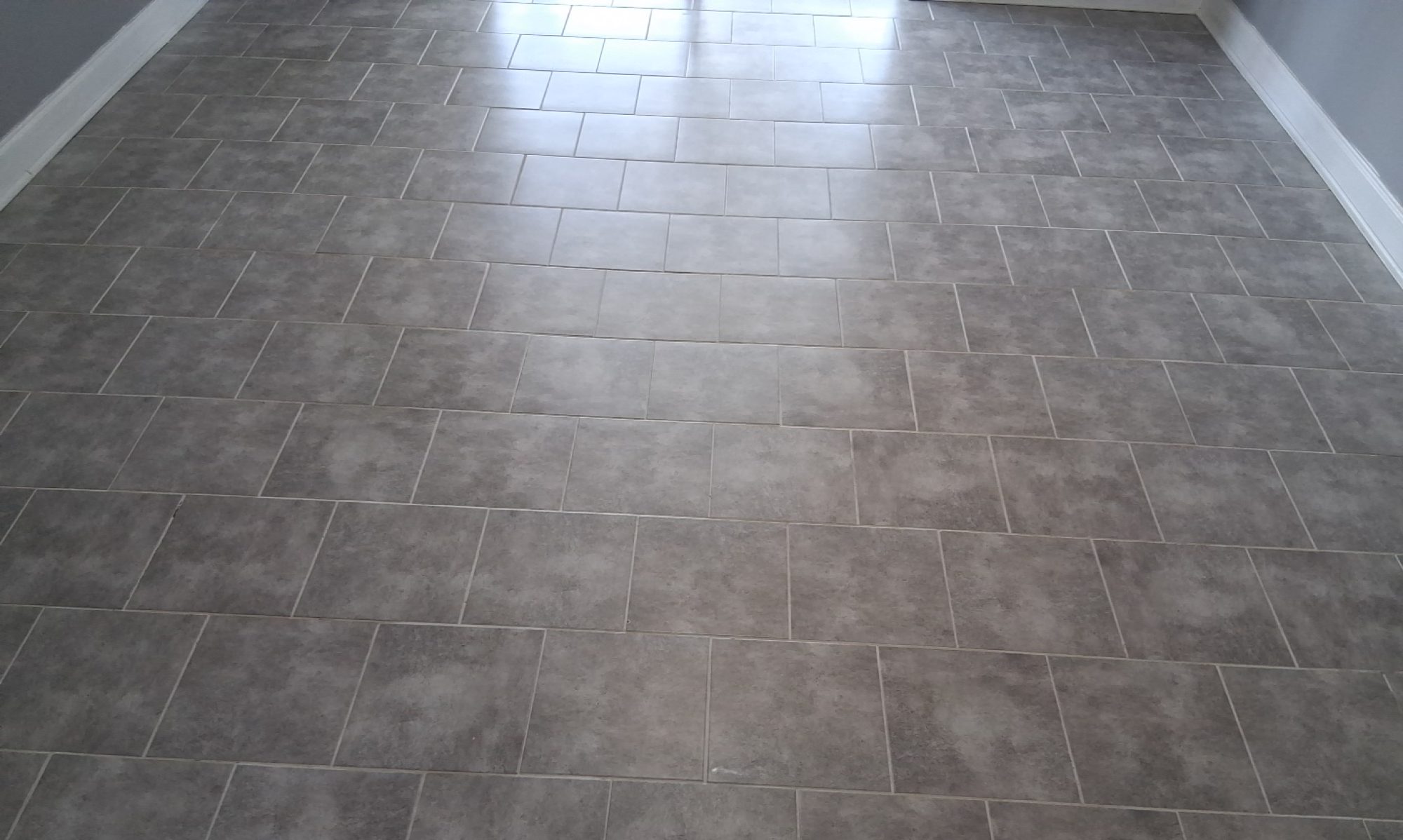

When you put in the work, you reap the benifits
Q&A for DIY Tile Cleaning
Here are 30 common questions about tile and grout cleaning, along with their answers, incorporating insights from Dream Clean Orlando.
General Tile and Grout Cleaning Questions
- What is the best way to clean tile grout?
- The optimal method involves applying a non-toxic, pH-neutral cleaner to your tile and grout, followed by deep cleaning with a high-speed gentle scrubber that extracts dirt from your grout. For particularly stubborn areas, vapor steam cleaning can be used.
- How often should you clean tile grout?
- Regular maintenance is key. It’s recommended to clean grout lines weekly to prevent dirt buildup and perform a deep cleaning every 3–6 months, depending on foot traffic and exposure to moisture.
- Can vinegar ruin grout?
- Yes, frequent use of vinegar can erode grout over time, especially if it’s unsealed. It’s best to use a pH-neutral cleaner for regular maintenance.
- What’s the easiest way to clean grout without scrubbing?
- Applying a non-toxic, pH-neutral cleaner and allowing it to sit can help loosen dirt and stains, reducing the need for scrubbing.
- Does steam cleaning work on grout?
- Yes, steam cleaning is highly effective at removing dirt and bacteria from grout without the use of harsh chemicals.
Stain Removal & Deep Cleaning
- How do you remove tough grout stains?
- For stubborn stains, using a combination of a non-toxic cleaner and a high-speed gentle scrubber can be effective.
- Can I use bleach to clean grout?
- While bleach can be used sparingly to clean grout, it’s important to note that it can weaken grout over time. Non-toxic, pH-neutral cleaners are safer alternatives.
- Why does my grout stay dirty even after cleaning?
- Grout is porous and can absorb dirt easily. If it remains dirty, it may need sealing or professional cleaning.
- What causes black mold in grout lines?
- Moisture, lack of ventilation, and organic residue create ideal conditions for mold growth in grout lines, especially in bathrooms.
- How do you remove mold and mildew from grout?
- Applying a non-toxic cleaner and using vapor steam cleaning can effectively remove mold and mildew from grout lines.
DIY & Natural Cleaning Solutions
- What is the best homemade grout cleaner?
- A paste made from baking soda and water can be an effective homemade grout cleaner. Apply the paste, scrub with a brush, and rinse thoroughly.
- Does baking soda and vinegar clean grout?
- Yes, but use vinegar cautiously, as it can damage grout over time if not sealed.
- Is hydrogen peroxide safe for grout?
- Yes, hydrogen peroxide is safe and effective for brightening grout and removing stains.
- How do you clean grout naturally?
- Using a paste of baking soda and water, scrubbing with a toothbrush, and rinsing with warm water is an effective natural method.
- Can lemon juice clean grout?
- Yes, lemon juice has mild bleaching properties, but it should not be used on unsealed grout frequently, as it is acidic.
Tile and Grout Sealing & Protection
- Should you seal grout after cleaning?
- Yes, sealing grout helps prevent stains and makes future cleaning easier.
- How often should grout be sealed?
- Every 1–2 years, or sooner if it absorbs water quickly.
- How do you know if grout needs sealing?
- Sprinkle water on the grout. If it absorbs quickly and darkens, it needs sealing.
- What happens if you don’t seal grout?
- Unsealed grout will absorb dirt, stains, and moisture, leading to discoloration, mold growth, and potential damage.
- Can you use WD-40 to clean grout?
- While WD-40 can help remove grime and stains, it’s not a recommended long-term cleaning solution.
Grout Maintenance & Prevention
- Why does grout get dirty so fast?
- Grout is porous and absorbs dirt, grease, and moisture, especially in high-traffic areas.
- How do you keep grout clean longer?
- Regular maintenance, including sealing grout and using appropriate cleaning products, can help keep grout clean longer.
- Can you change grout color without replacing it?
- Yes, grout stain or colorant can be applied to refresh or change grout color.
- What’s the best mop for tile floors with grout?
- A microfiber mop with warm water and a mild cleaner is best for preventing dirt buildup in grout lines.
- Can dirty grout affect indoor air quality?
- Yes, mold and bacteria in grout can contribute to poor air quality and trigger allergies.
Professional Cleaning & Repairs
- When should you hire a professional to clean grout?
- If grout is heavily stained, has mold, or hasn’t been cleaned in years, a professional deep clean is recommended.
- How much does professional grout cleaning cost?
- The cost varies depending on the service provider and the extent of cleaning required. It’s best to contact Dream Clean Orlando for a quote.
- Can you repair cracked grout without replacing it?
- Small cracks can be filled using a grout repair product, but extensive damage may require regrouting.
- How long does grout cleaning take?
- On average, a professional grout cleaning session takes 1–3 hours, depending on the area size and dirt level.
- What’s the best way to maintain tile and grout between professional cleanings?
- Sweep and mop regularly, avoid harsh chemicals, use a pH-neutral cleaner, and reapply grout sealer as needed to keep your tile and grout looking its best.
For expert tile and grout cleaning, Dream Clean Orlando offers professional services to restore and protect your flooring.
Hey Orlando! Keep your tiles sparkling all year round?
🔹 Sweep & Mop Regularly – Dust and grime can dull the shine of your tiles. Do a quick sweep and mop weekly to keep them looking pristine.
🔹 Use Eco-Friendly Cleaners – Opt for green cleaning solutions to avoid harsh chemicals that can wear down your tiles over time.
🔹 Spot Clean Spills Immediately – Acting fast prevents stains and makes your deep cleaning less intense.
🔹 Seal Your Grout – Applying a sealant can protect grout from stains and water damage.
Remember, while DIY maintenance works wonders, periodic professional cleaning brings back that brand-new look! We’re here to help with our state-of-the-art equipment and eco-friendly products.
Let’s make your tiles shine!
TileCleaning #DIYCleaning #EcoFriendly #HomeCare #DreamCleanOrlando
DIY Tile Maintenance: Preserving Your Tile’s Beauty for Years to Come
DIY Tile Maintenance: Preserving Your Tile’s
Beauty for Years to Come
Beautiful tiles can transform any space, but maintaining their luster requires more than just
occasional cleaning. This comprehensive guide will walk you through DIY tile maintenance
techniques that will help preserve your tile’s beauty for years to come. From regular care routines to
preventive measures and minor repairs, we’ve got you covered with safe and effective methods for
all types of tiles.
Why Proper Tile Maintenance Matters
Before we dive into the maintenance techniques, let’s understand why it’s crucial:
Longevity: Well-maintained tiles last longer
Aesthetics: Proper care keeps tiles looking new
Hygiene: Regular maintenance prevents bacteria and mold growth
Cost-effectiveness: Prevents the need for expensive repairs or replacements
Home value: Well-maintained tiles can increase property value
Regular Maintenance Routine
- Daily Care: Sweep and Wipe
Keywords: daily tile care, dust prevention, quick clean
Implement these simple daily habits:
Sweep or vacuum loose dirt and debris
Wipe up spills immediately to prevent staining
Use a damp mop or microfiber cloth for quick cleaning
Dry the surface with a clean cloth to prevent water spots - Weekly Deep Clean
Keywords: weekly maintenance, deep clean, tile refresh
Once a week, give your tiles some extra attention:
Vacuum or sweep thoroughly
Mop with a pH-neutral cleaner appropriate for your tile type
Pay extra attention to grout lines
Rinse with clean water to remove any cleaner residue
Dry completely with a clean cloth or towel
Preventive Measures - Sealing Tiles and Grout
Keywords: tile sealer, grout protection, stain prevention Sealing is crucial for protecting porous tiles and grout:
Clean and dry the tiles thoroughly
Choose a sealer appropriate for your tile type
Apply the sealer according to manufacturer instructions
Allow proper drying time between coats
Reapply sealer annually or as recommended - Using Mats and Rugs
Keywords: entrance mats, tile protection, dirt prevention
Strategically placed mats and rugs can significantly reduce tile wear:
Place doormats at all entrances to catch dirt and grit
Use runners in high-traffic areas
Place mats in water-prone areas like in front of sinks
Ensure mats have non-slip backing to prevent accidents
Minor Repairs and Touch-ups - Repairing Grout
Keywords: grout repair, tile restoration, DIY fix
Address grout issues promptly to prevent further damage:
Remove loose or cracked grout with a grout saw
Clean the area thoroughly and let it dry
Apply new grout with a rubber float
Wipe away excess grout with a damp sponge
Allow to dry and apply sealer - Addressing Chips and Cracks
Keywords: tile repair, chip fix, crack sealing
For minor tile damage:
Clean the damaged area thoroughly
For chips, use a tile filler or epoxy that matches your tile color
For cracks, apply a clear epoxy to prevent further cracking
Once dry, sand lightly if necessary
Apply touch-up paint if needed to match tile color
Maintenance Tips for Different Tile Types - Ceramic and Porcelain Tiles
Keywords: ceramic care, porcelain maintenance, durable tiles
Use soft cleaning tools to avoid scratching
Avoid acidic cleaner, Dry thoroughly to prevent water spots - Natural Stone Tiles (Marble, Granite, Slate)
Keywords: stone tile care, natural material maintenance, delicate surfaces
Use only pH-neutral, stone-safe cleaners
Avoid acidic substances (vinegar, lemon) which can etch the surface
Seal regularly to protect from stains - Glass Tiles
glass tile maintenance, streak-free cleaning, delicate surface care
Use non-abrasive cleaners to avoid scratching
A mixture of dish soap and water works well
Buff with a microfiber cloth for a streak-free shine
When to Call a Professional
While these DIY maintenance methods are effective for regular care, consider professional help if:
You notice widespread cracking or loosening of tiles
There’s significant grout deterioration
You’re dealing with severe staining or etching
You’re planning to re-seal a large area
By incorporating these DIY tile maintenance techniques into your regular cleaning routine, you’ll
preserve the beauty and integrity of your tiles for years to come. Remember, consistent care is key
to long-lasting, beautiful tiles.
Suggested Image Descriptions:
“Split-screen image showing a neglected tiled floor on one side and a well-maintained,
gleaming tiled floor on the other, highlighting the importance of proper maintenance.”
“Step-by-step image series demonstrating the process of applying grout sealer, from cleaning
to application and drying.”
“Infographic displaying different types of entrance mats and rugs, with arrows pointing to ideal
placement areas in a home layout.”
“Close-up before and after images of a repaired grout line, showing the process from removing
old grout to applying new grout.”
“Comparative images of different tile types (ceramic, natural stone, glass) with icons
representing their specific care requirements.”
Tackling Tough Tile Stains: DIY Solutions for Stubborn Messes

Even with regular cleaning, tiles can sometimes fall victim to stubborn stains that seem impossible
to remove. Don’t despair! This comprehensive guide will walk you through safe and effective DIY
methods to tackle those tough tile stains. Whether you’re dealing with rust, grease, hard water
marks, or mold, we’ve got you covered with solutions that won’t break the bank or harm your tiles.
Understanding Different Types of Tile Stains
Before we dive into the cleaning methods, let’s identify some common tough stains:
Rust stains
Grease and oil marks
Hard water deposits
Mold and mildew
Coffee, tea, or wine stains
Ink or paint splatters
Safe and Effective Stain Removal Methods
- Rust Stains: The Lemon and Salt Method
Keywords: rust removal, citric acid, natural abrasive
Rust stains can be particularly challenging, but this method often does the trick:
Cut a lemon in half
Sprinkle coarse salt on the cut side
Rub the lemon directly on the rust stain
Let it sit for 5-10 minutes
Scrub gently with a soft brush
Rinse thoroughly and dry
For larger areas, make a paste with lemon juice and salt. - Grease and Oil: Dish Soap and Hot Water
degreases, kitchen tile cleaner, oil stain remover
For those pesky kitchen splatter stains:
Mix a few drops of dish soap with hot water
Apply the solution to the stained area
Let it sit for 5 minutes
Scrub with a soft brush in circular motions
Rinse with clean water
Repeat if necessary
For stubborn grease, add a sprinkle of baking soda to the soap solution for extra cleaning power.3. Hard Water Deposits: Vinegar Soak
Keywords: limescale removal, mineral deposit cleaner, bathroom tile rescue
Hard water can leave unsightly marks on tiles, especially in bathrooms:
Soak paper towels in white vinegar
Apply the soaked towels to the affected areas
Let them sit for 1-2 hours
Remove the towels and scrub gently with a soft brush
Rinse thoroughly with clean water
Dry and buff with a microfiber cloth
For vertical surfaces, use a spray bottle to apply the vinegar solution. - Mold and Mildew: Hydrogen Peroxide Solution
Keywords: mold killer, bathroom sanitizer, grout cleaner
Mold and mildew not only look unsightly but can also be health hazards:
Mix equal parts hydrogen peroxide (3%) and water in a spray bottle
Spray the solution generously on the affected areas
Let it sit for 10-15 minutes
Scrub gently with a soft brush
Rinse thoroughly with clean water
Dry completely to prevent mold regrowth
For severe cases, use undiluted hydrogen peroxide, but test on an inconspicuous area first. - Coffee, Tea, or Wine Stains: Baking Soda Paste
Keywords: organic stain remover, tile whitener, natural cleaning
These everyday spills can leave lasting marks if not treated promptly:
Make a paste with baking soda and water
Apply the paste to the stained area
Let it sit for 10-15 minutes
Scrub gently with a soft brush
Rinse with clean water
Repeat if necessary
For older stains, add a small amount of hydrogen peroxide to the paste. - Ink or Paint: Rubbing Alcohol Method
Keywords: paint remover, ink stain solution, solvent cleaning
For those accidental artistic splatters:
Apply rubbing alcohol to a clean cloth
Dab the stained area gently (don’t rub, as this can spread the stain)
Let it sit for a few minutes, Wipe clean with a damp cloth
Rinse the area with clean water
Dry thoroughly
For larger paint spills, you may need to use a commercial paint remover designed for tile surfaces.
Preventive Measures
To minimize tough stains in the future:
Clean spills immediately when they occur
Apply a penetrating sealer to tiles and grout annually
Use doormats to reduce dirt and grime tracked onto tile floors
Install a water softener to prevent hard water stains
When to Seek Professional Help
While these DIY methods are effective for most stains, consider professional cleaning if:
The stain persists after multiple attempts
You’re dealing with antique or valuable tiles
The stained area is extensive
You’re unsure about the type of tile or appropriate cleaning method
By using these safe and effective DIY stain removal techniques, you can keep your tiles looking
pristine and extend their lifespan. Remember, always test any cleaning solution on a small,
inconspicuous area first to ensure it doesn’t damage your tiles.
Suggested Image Descriptions:
“Close-up of a hand using a lemon half to scrub a rust stain on a tile, with visible before and
after sections.”
“Split image showing greasy kitchen backsplash tiles before and after cleaning with the dish
soap method.”
“Time-lapse series of images showing the gradual disappearance of hard water stains on a
shower tile using the vinegar soak method.”
“Macro shot of mold on grout lines, with an inset image showing the clean grout after
hydrogen peroxide treatment.”
“Infographic displaying common household items used for stain removal: lemon, vinegar,
baking soda, hydrogen peroxide, and rubbing alcohol, with arrows pointing to the types of
stains they best remove.”
